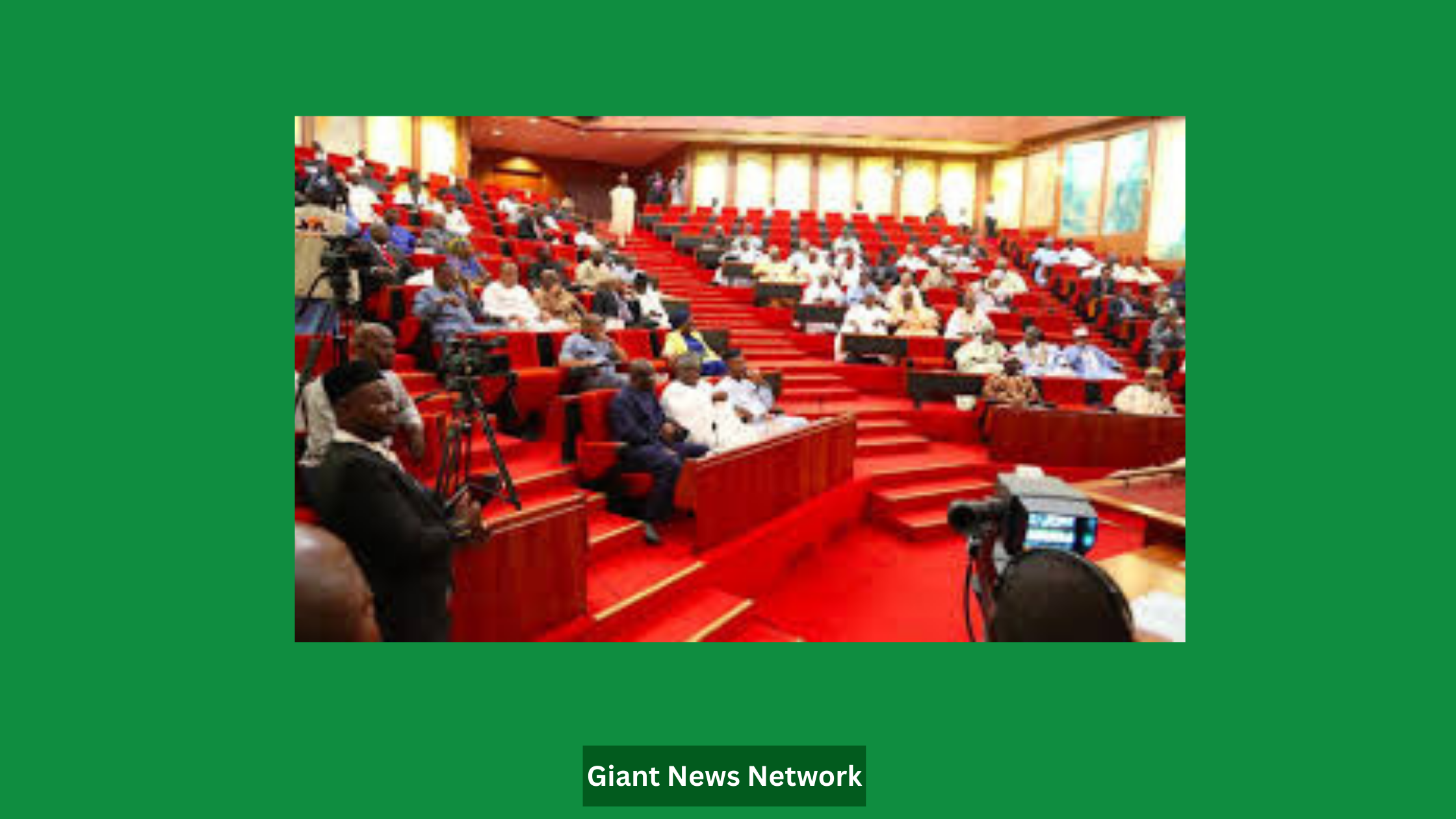
Nigeria is raging again over what lawmakers really take home. Fresh tallies suggest about ₦2.354 billion is spent every month on the 109 senators’ salaries plus “office running costs”—a sum critics say could pay roughly 4,708 professors at an average ₦500,000 net each. The math is simple; the politics isn’t. What’s officially published and what senators themselves confess don’t line up—and that’s where the conspiracy talk begins.
What Senators Say They Earn vs What’s on Paper
- On-the-record confessions: In an August 14, 2024 interview, Senator Abdurrahman Kawu Sumaila said each senator gets about ₦21.6m monthly for running costs (separate from a sub-₦1m salary). Former senator Shehu Sani has long insisted lawmakers also enjoy hefty monthly “running costs”—he put his era at ₦13.5m and says it’s ₦21m+ for today’s crop.
- The official line: The Revenue Mobilisation Allocation and Fiscal Commission (RMAFC) says a senator’s monthly salary plus listed allowances is ~₦1.06m—pocket change compared to the “running cost” figures lawmakers themselves are quoting. The Senate’s PR has also stressed that running costs are “different” from pay, which neatly explains the mismatch without actually disclosing line-items.
Translation: On paper, senators are cheap. Off paper, they’re expensive. That’s the gap where suspicion thrives.
What Professors Actually Take Home
University academics say they’ve been largely stuck on the same scale since 2009, with a 25–35% bump only recently—still leaving many professors with ~₦500,000 net monthly after deductions. CONUA’s national president, Dr. Niyi Sunmonu, lays it out bluntly: gross ~₦700,000, net ~₦500,000.
The human toll keeps surfacing: ASUU’s Abuja zone reported 46 members lost in 2024, linking deaths to economic hardship and grinding conditions on campus.
The Math (and Why It Went Viral)
- If Kawu’s ₦21.6m “running cost” is correct:
₦21.6m × 109 senators = ₦2.3544bn per month. - Average professor’s net pay: ~₦500,000.
- Equivalent professors’ salaries: ₦2.3544bn ÷ ₦0.5m ≈ 4,708.
That’s the headline number fueling this week’s outrage. (Yes, it’s a back-of-envelope, but it tracks with figures cited by national outlets.)
The Dramatic Twist: Nigeria’s “Shadow Pay” System
Here’s the scandal with a capital S: RMAFC publishes modest, itemized pay; senators openly admit to far larger “running costs”; and the public never sees a transparent ledger for those costs. Old claims of cash-like “running costs” and opaque constituency project flows linger like a fog over the National Assembly. Critics call it a two-wallet regime—a small official wallet for the public to see, and a much fatter unofficial wallet labeled “operations.” Lawmakers say it’s legit overhead. Voters hear “allowance” and think allowance = income. The truth? Hidden in paperwork the public doesn’t get to audit.
Conspiracy-tinged question the internet keeps asking:
If the salary is only ~₦1.06m, why do senators themselves keep saying ₦13.5m… ₦21m… or more—every month? Who signs those cheques, on what vote of the budget, and where are the receipts?
Why This Hurts the Academy (and the Country)
While senators debate semantics, lecturers juggle side hustles and departures accelerate. The message to young scholars is brutal: “Don’t expect a decent life in the classroom.” Campuses are losing talent, research output bleeds, and students get less supervision and poorer labs, while the legislature’s operational purse remains largely un-audited in public.
What Reformers Want Now
- Publish a monthly, line-item ledger of every senator’s running costs with receipts—vendor names, amounts, and procurement rules.
- Independent audits by the Auditor-General, released publicly within 90 days.
- Rationalise allowances under RMAFC so “running costs” aren’t a second salary by stealth.
- Restore the professoriate: immediate cost-of-living adjustment, clear promotion-linked increments, and a five-year pay review cycle tied to inflation.
Nigeria can’t preach “knowledge economy” while paying politics like a luxury sport and treating scholarship like a side gig. Until the National Assembly opens its books—and university pay reflects real-world prices—the suspicion of a quiet, lawful-looking cover-up will keep trending.
What We’re Watching
- Any fresh RMAFC breakdowns or Senate documents that itemize running costs beyond the ₦1.06m official package.
- CONUA/ASUU responses and any federal pay proposals for academics.
Tip line open. If you’ve got the ledgers, we’ll read every page.