In a troubling fiscal twist, at least ten Nigerian states have ballooned their domestic debt by a staggering ₦417.7 billion in just one year — despite receiving increased federal allocations due to improved oil revenue, subsidy removal, and naira devaluation. The rise, experts say, is a ticking time bomb that could compromise state-level development and financial sustainability.
Background Story
A detailed review of the Debt Management Office’s (DMO) Q1 2025 reports shows that states like Rivers, Enugu, Niger, Taraba, Bauchi, Benue, Gombe, Edo, Kwara, and Nasarawa collectively raised their debt stock from ₦884.9bn in Q1 2024 to ₦1.3tn in Q1 2025 — a 47.2% spike year-on-year.
The disturbing trend continued on a quarterly basis. Between December 2024 and March 2025 alone, these 10 states racked up an additional ₦42.3bn, marking a 3.4% quarter-on-quarter jump. This is despite the Federal Account Allocation Committee (FAAC) boosting state revenues during the same period.
So the question arises: Why borrow more when there’s more money flowing in?
State-by-State Breakdown (Highlights):
- Rivers State: Maintains the highest domestic debt at ₦364.39bn, unchanged from Q4 but up 56.7% YoY from ₦232.58bn. However, the data reflects an older report dated December 31, 2024, which partly explains the huge leap.
- Enugu State: Shockingly doubled its debt from ₦82.48bn to ₦188.42bn in one year — a 128.4% increase. It also posted the steepest quarterly spike of ₦69.14bn.
- Niger State: Up 67% YoY, from ₦86.07bn to ₦143.75bn.
- Taraba State: Witnessed the highest percentage increase among the 10 states — a 154.1% jump from ₦32.64bn to ₦82.93bn.
- Bauchi: Up 31.4% YoY but showed fiscal restraint quarter-on-quarter, slashing ₦1.55bn.
- Edo: Demonstrated bold repayment by cutting ₦30.6bn quarter-on-quarter — the sharpest drop in the group.
- Kwara & Nasarawa: Posted minor changes, indicating slow debt accumulation.
Contradiction: Rising Revenue, Yet Rising Borrowing
The current debt surge is happening at a time when federal allocations are rising, courtesy of a rebounding oil market and freed-up subsidy savings. Ideally, experts argue, states should use these windfalls to reduce debt — not inflate it.
Instead, these 10 states now account for 33.67% of the entire subnational domestic debt stock of ₦3.87tn, up from just 21.8% in Q1 2024.
Bigger Crisis Brews: When Debt Servicing Exceeds Income
What makes this worse is that seven states reportedly spent 190% of their Internally Generated Revenue (IGR) on debt servicing in Q1 2025. These include:
- Bayelsa
- Adamawa
- Benue
- Niger
- Kogi
- Taraba
- Bauchi
Collectively, these states spent ₦98.71bn servicing debts — up 51% from ₦65.24bn in Q4 2024.
Expert Concerns: “States Are Drowning Themselves”
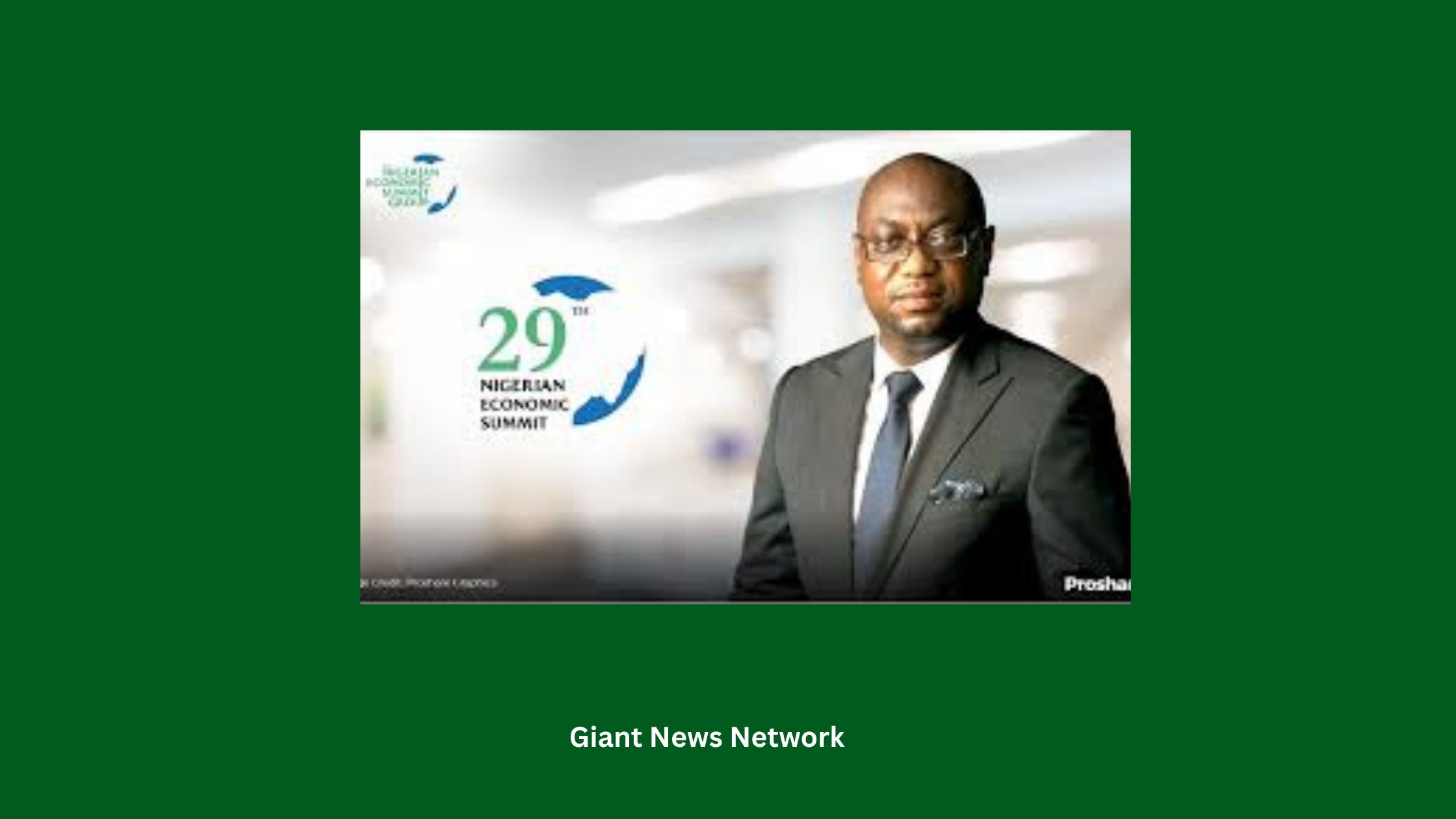
According to Teslim Shitta-Bey, Director at Proshare Nigeria LLC, the situation points to a deeper issue: “Most governments, including the federal level, are failing to manage their balance sheets. Borrowing might look easy, but it’s not sustainable.”
He suggests that states should consider longer-term, equity-based financing and even a national asset register to unlock capital — citing idle infrastructures like the National Stadium.
On his part, Lagos-based economist Adewale Abimbola called out governors for lacking the political will to diversify their economies or stimulate investment:
“Most of these states aren’t viable. They wait every month for FAAC. That must change.”
His advice? States must map out their economic strengths and aggressively attract local and foreign investors.
Another Warning from Dayo Adenubi:
Macroeconomic analyst Dayo Adenubi added that unless states boost internally generated revenue (IGR), they risk collapsing under their own debt burdens — especially if federal inflows drop in the near future.
The Governance Vacuum Grows
As Nigeria enters the mid-term stretch of the Tinubu administration, many fear that 2025 is already lost to political calculations for 2027. The consequence? Short-term optics win, while governance and financial accountability lose.
The debt may not be due today, but its shadow already looms over future generations.