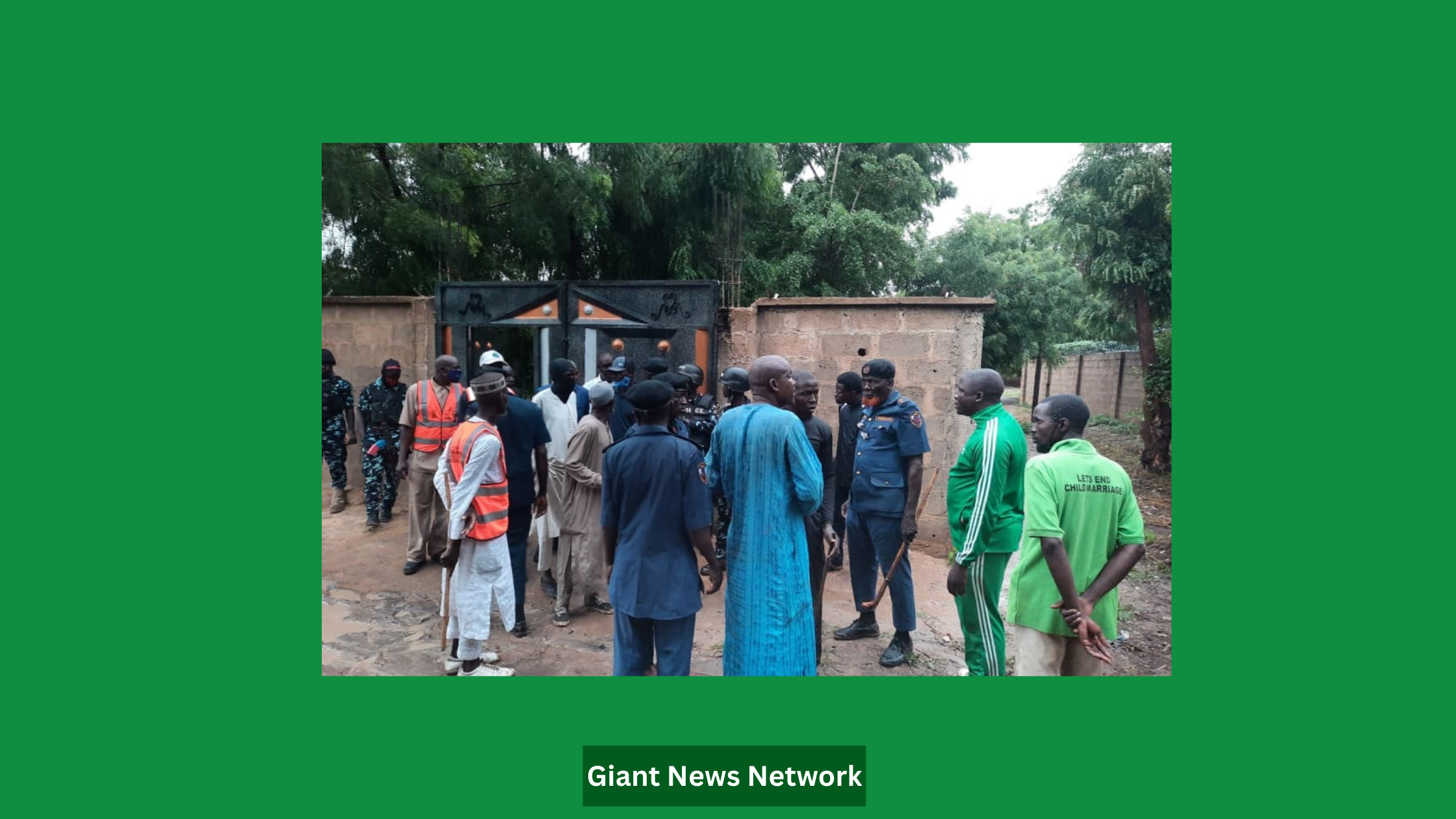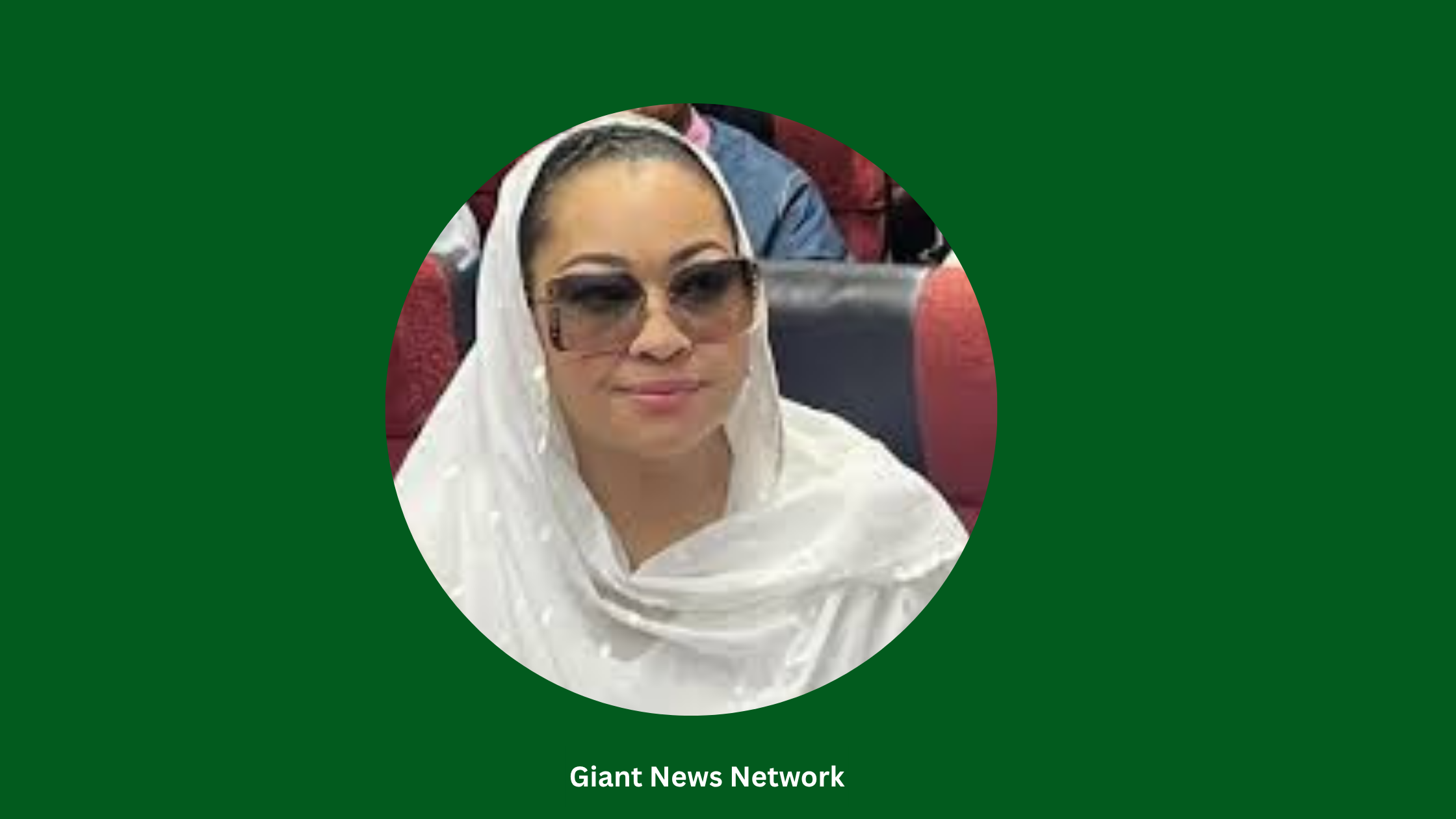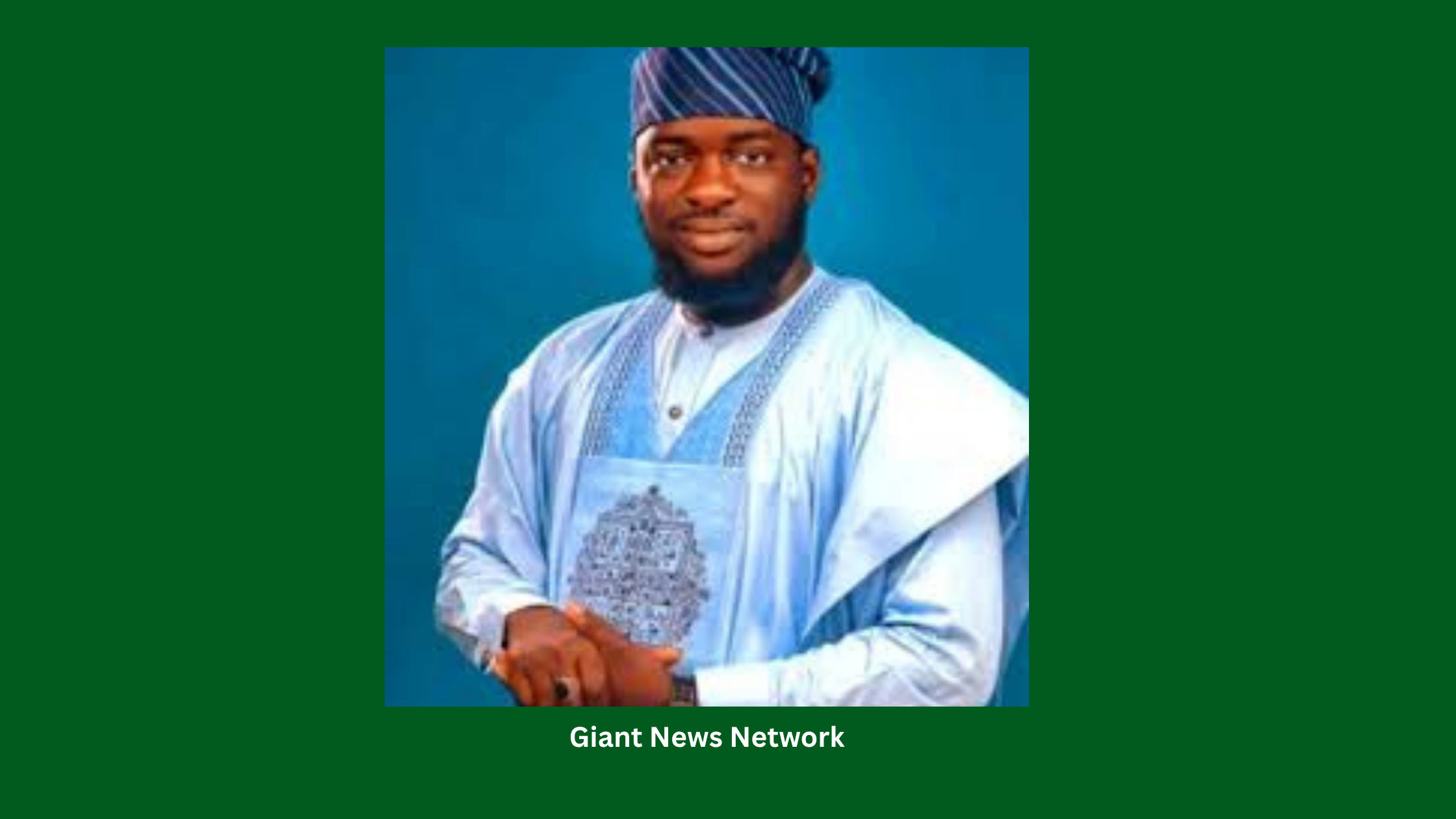
The Majority Leader of the Nigerian Youth Parliament, Hon. Ridwan Barade, has called on the federal government to criminalise child marriage in Nigeria and outlaw any marriage involving boys or girls below the age of 18. Barade made this passionate appeal during a National Dialogue in Abuja to commemorate the Day of the African Child 2025, organised by the African Youth and Adolescent Network on Population and Development (AfriYAN) and the United Nations Population Fund (UNFPA).
Barade, addressing policy makers and stakeholders, declared:
“A child who is yet to complete education and who lacks the maturity to make informed decisions should not be forced into marriage or childbirth. If we do not change this narrative, Nigeria will struggle to progress as a nation,” he stated.
He stressed that 18 years should be set as the legal minimum age for marriage in Nigeria, calling on lawmakers to introduce a binding rule to prevent underage marriages. “If government can pass a law to prohibit marriage under the age of 18, I believe this will bring us closer to achieving our goals for national development,” Barade added.
He further announced readiness to collaborate with fellow Youth Parliament members and key stakeholders to draft a legal framework to criminalise the marriage of minors in Nigeria.
Also speaking at the event, Adek Bassey, the Nigeria National Coordinator of AfriYAN, urged government at all levels to prioritise youth participation in governance. “Young people must be included at decision-making tables, where critical national policies are made,” she said.
Bassey also raised concerns over the lack of government-backed youth development programmes in Nigeria, emphasising the urgent need for Nigerian government funding for youth initiatives.
“We want to see yearly calls for project funding from the Nigerian government — not just from UNFPA or international donors. It is time for our own government to fund Nigerian youth with transparent, accessible processes,” Bassey stressed.
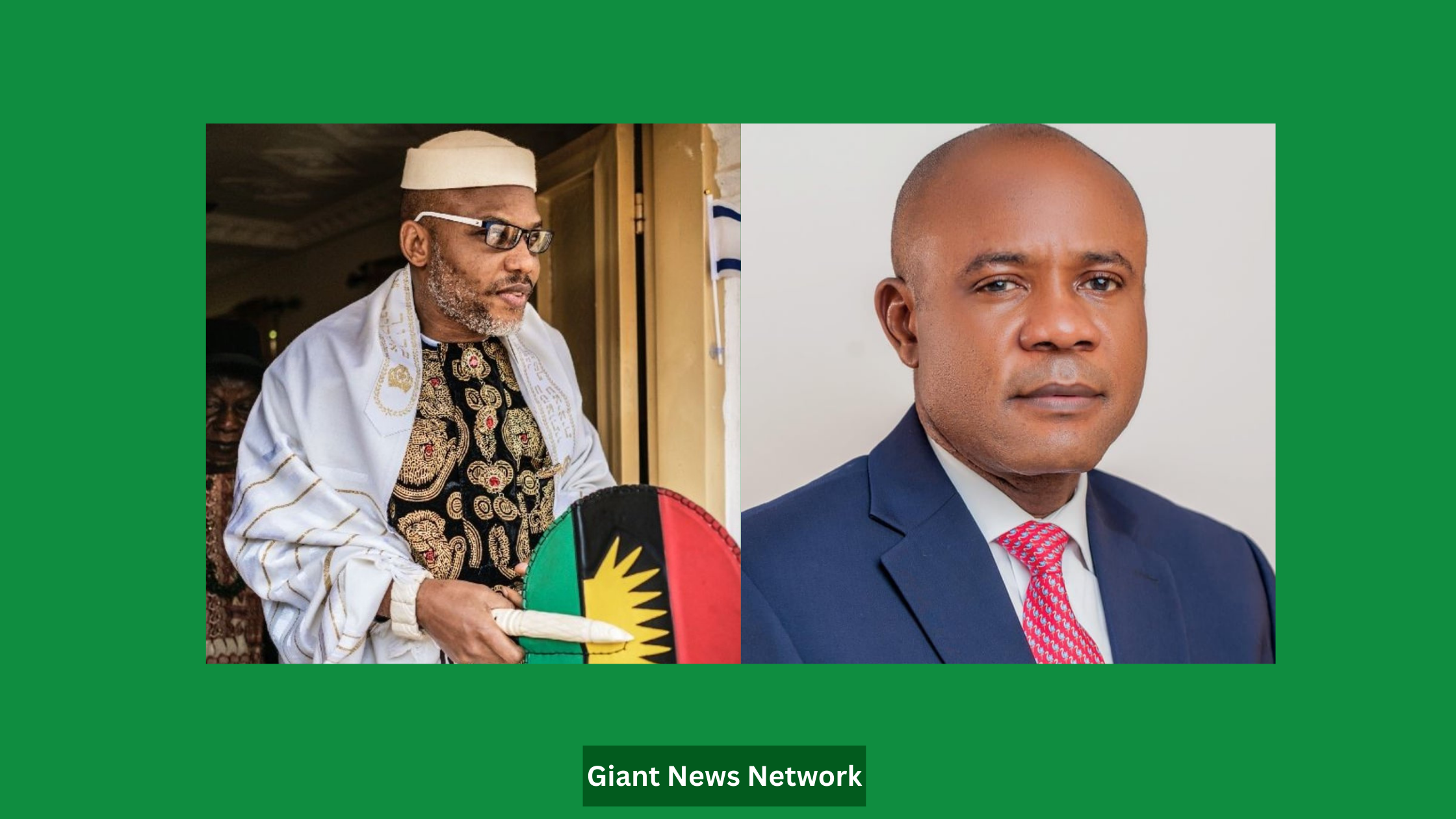
Meanwhile, Cross River State Governor, Senator Prince Bassey Edet Otu, has reaffirmed his government’s commitment to using hydrography and seabed mapping to drive maritime development and stimulate economic growth in the region.
Speaking at the World Hydrography Day 2025 event in Abuja, through Deputy Governor Rt. Hon. Peter Odey, Otu stated:
“Hydrographic science holds immense potential for sustainable maritime development, especially for coastal states like Cross River. Accurate seabed mapping will help unlock the full potential of our blue economy,” he said.
The Governor commended the Nigerian Navy and the National Hydrographic Agency (NHA) for the successful completion of the Bakassi Deep Sea Port survey, which he described as a milestone in regional trade and infrastructure development.
He pledged Cross River’s readiness to partner with federal agencies, private sector players, and international organisations to advance marine development, climate resilience, and equitable access to ocean resources.
In his keynote address, Rear Admiral Ayo Olugbode, Chief Hydrographer of the Federation and NHA Chief Executive, underscored the growing importance of hydrographic data in Nigeria’s economic and national development.
“Hydrographic data is now central to maritime safety, transportation, trade, coastal planning, biodiversity conservation, fisheries management, and disaster risk reduction,” Olugbode explained.
He encouraged students and young professionals to pursue careers in hydrography and marine sciences, stating that the future of Nigeria’s maritime sector lies in the hands of young innovators.
“World Hydrography Day 2025 is not only about maps and charts. It is a reminder of our responsibility to map, protect, and sustainably manage Nigeria’s vast maritime domain for generations to come,” Olugbode said.
As the nation marks both World Hydrography Day and Day of the African Child, Nigerian youth leaders and maritime experts are calling for urgent reforms — from outlawing child marriage in Nigeria to embracing hydrography as a tool for economic transformation. Their message is clear: inclusive policies, modern data-driven practices, and greater youth involvement are crucial to shaping Nigeria’s future.