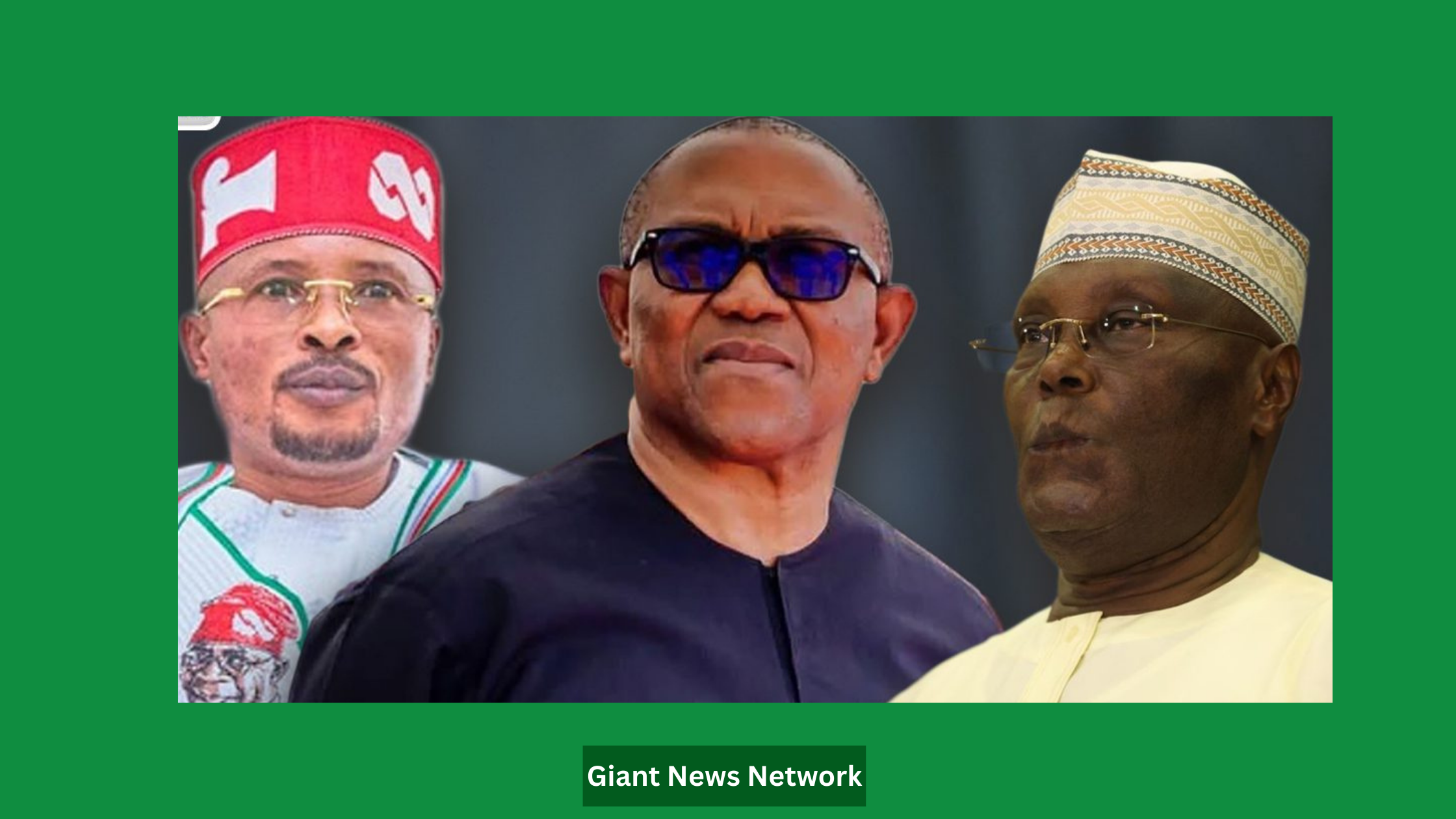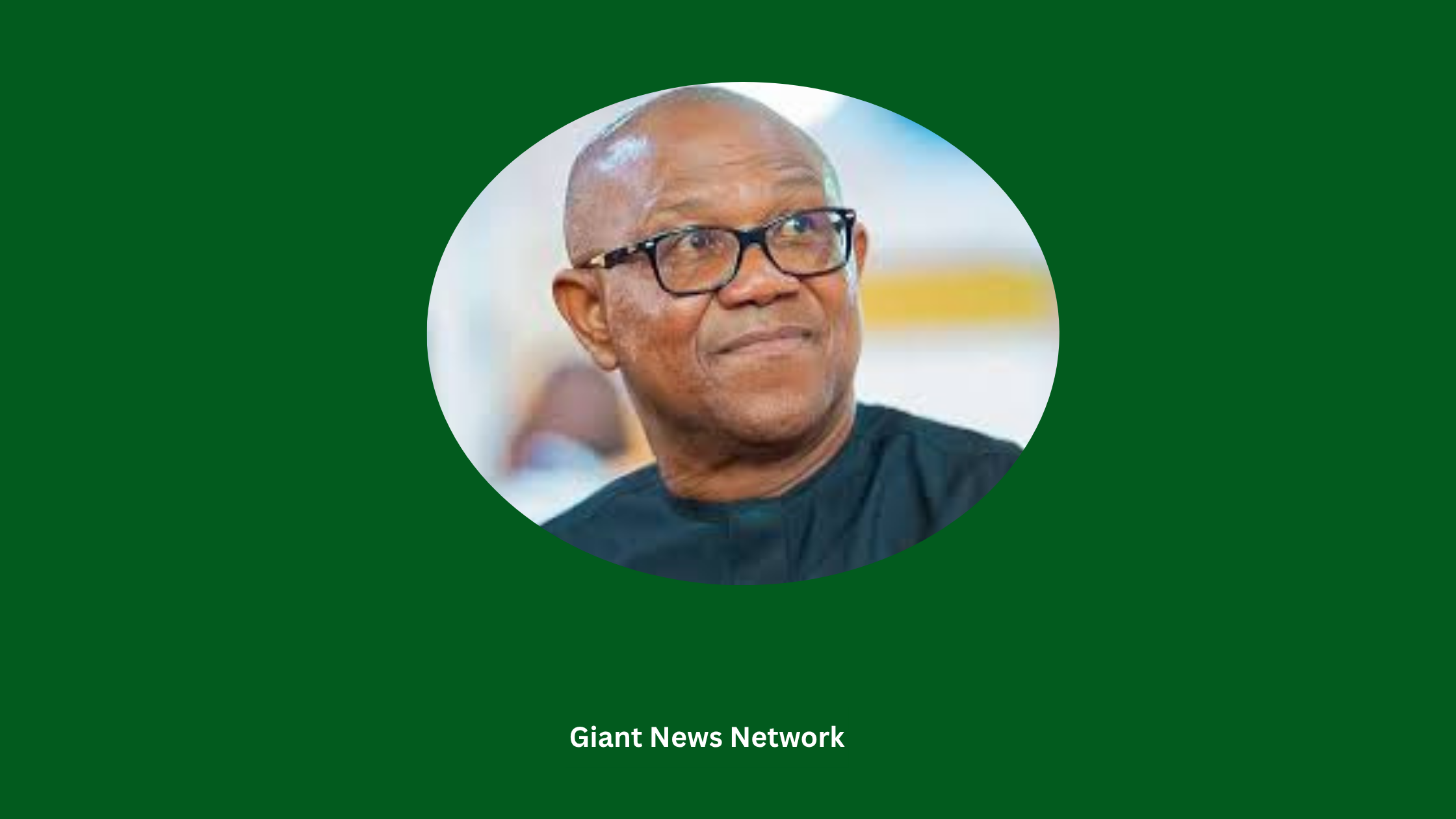
Presidential hopeful and former Anambra State governor, Peter Obi, has clarified his position amid the heated political drama trailing his recent appearance at the unveiling of the ADC-led opposition coalition.
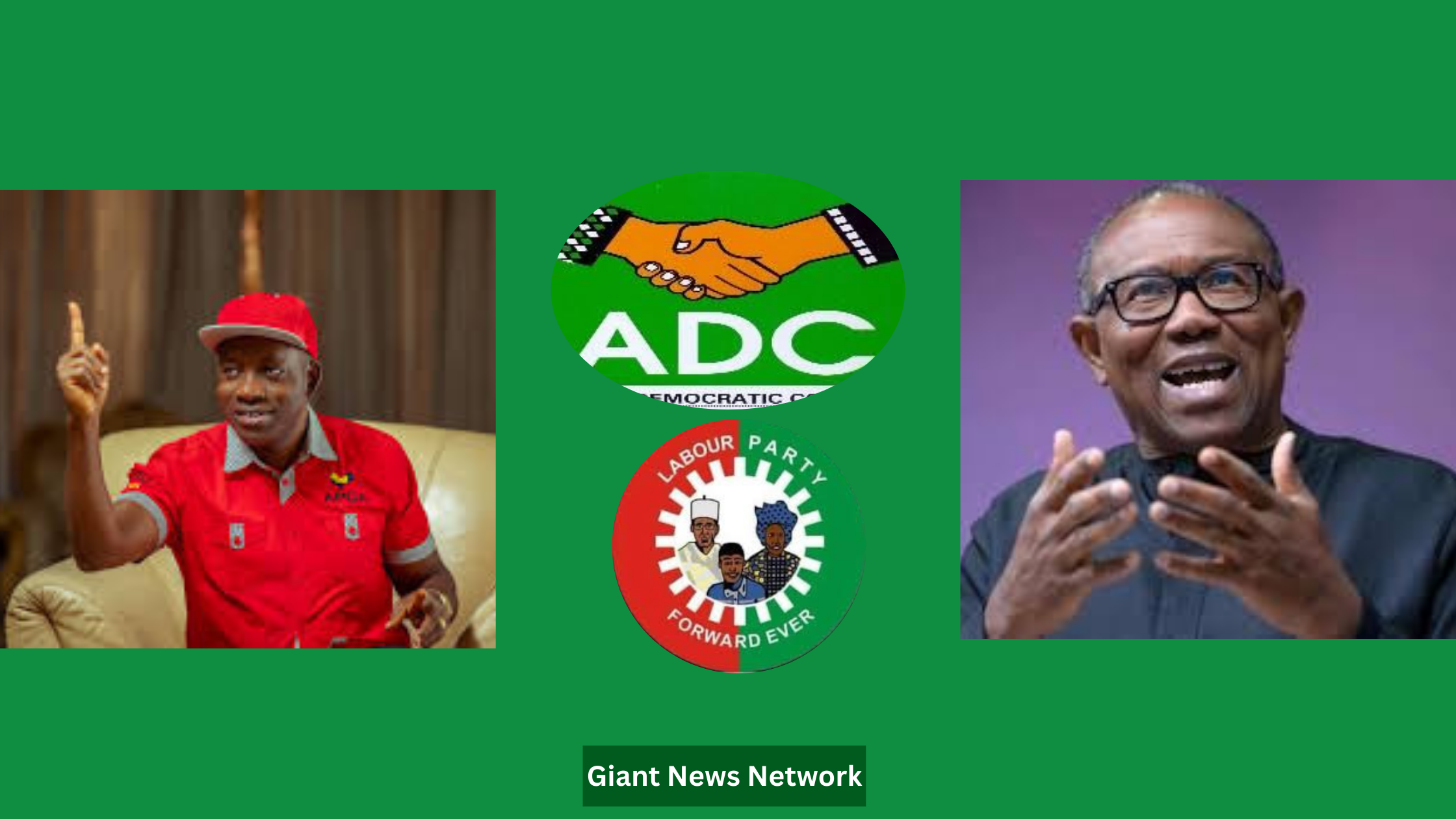
Speaking during a Channels Television interview on Sunday, July 6, Obi firmly stated that he remains a bona fide member of the Labour Party, despite his alliance with the African Democratic Congress (ADC) coalition formed to challenge President Bola Ahmed Tinubu in 2027.
“Today, I am a Labour Party member. I remain in the Labour Party,” Obi stated unequivocally.
“You Need the Experience of Those Who Have Failed” — Obi Speaks on Coalition Move
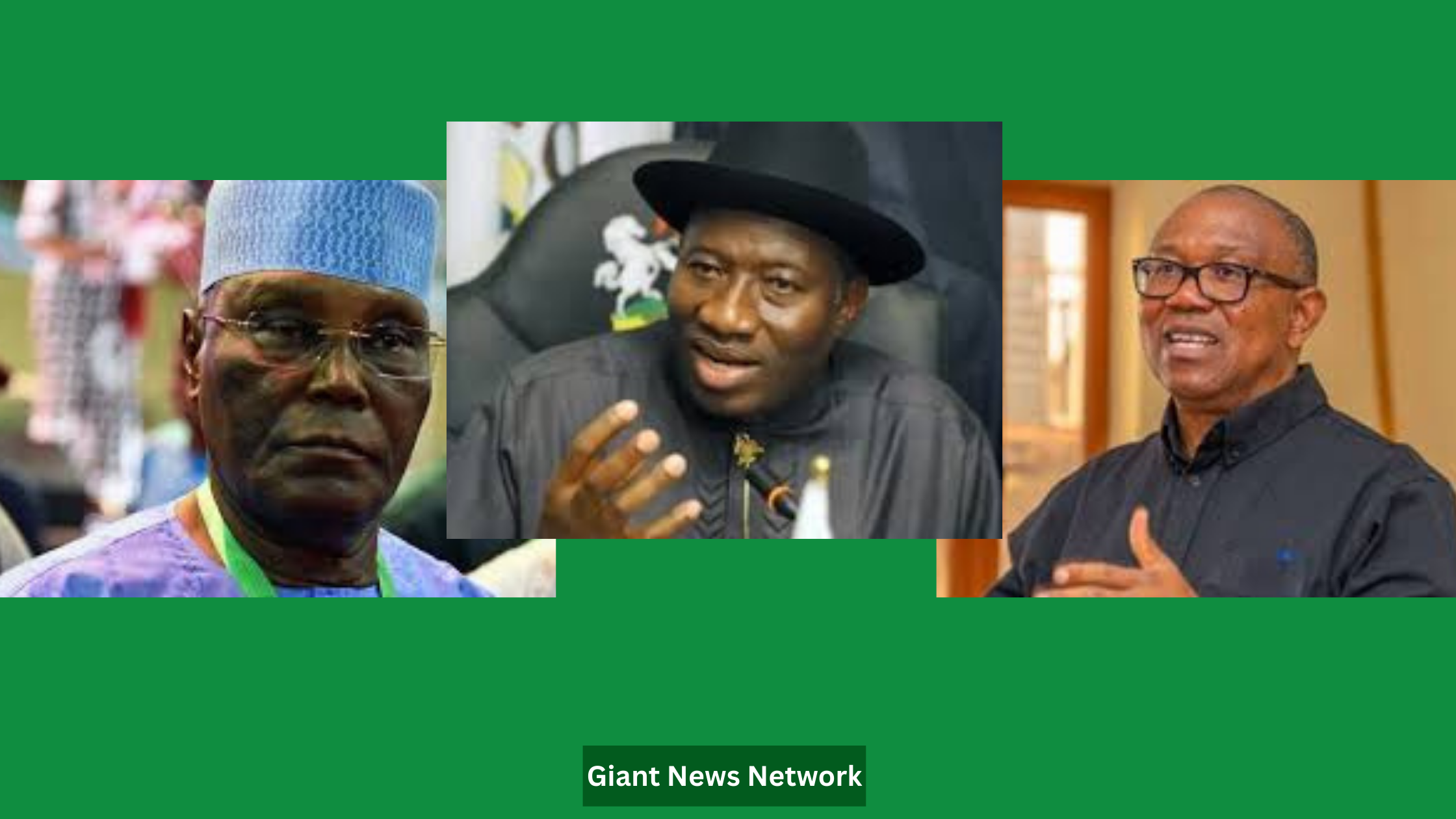
Defending his controversial move to join forces with opposition heavyweights like Atiku Abubakar, Rotimi Amaechi, Nasir El-Rufai, and David Mark under the ADC umbrella, Obi explained that the coalition was not about party politics but building competence across experiences—both failed and successful.
“You need the experience of those who have failed and those who have succeeded,” Obi said, referring to his decision to work with politicians who had once occupied key leadership roles.
He continued:
“The coalition just adopted a party for 2027. So, we are trying to work together for the sake of Nigeria. Going on, other parties and individuals will also come in. We want better governance for this country. We want to see a more competent government with capacity and character.”
According to Obi, the coalition’s adoption of the ADC was strategic—a common front to rally opposition figures under one electoral platform.
PRESIDENCY FIRES BACK: “Obi Now Part of the Same Structure He Once Condemned”
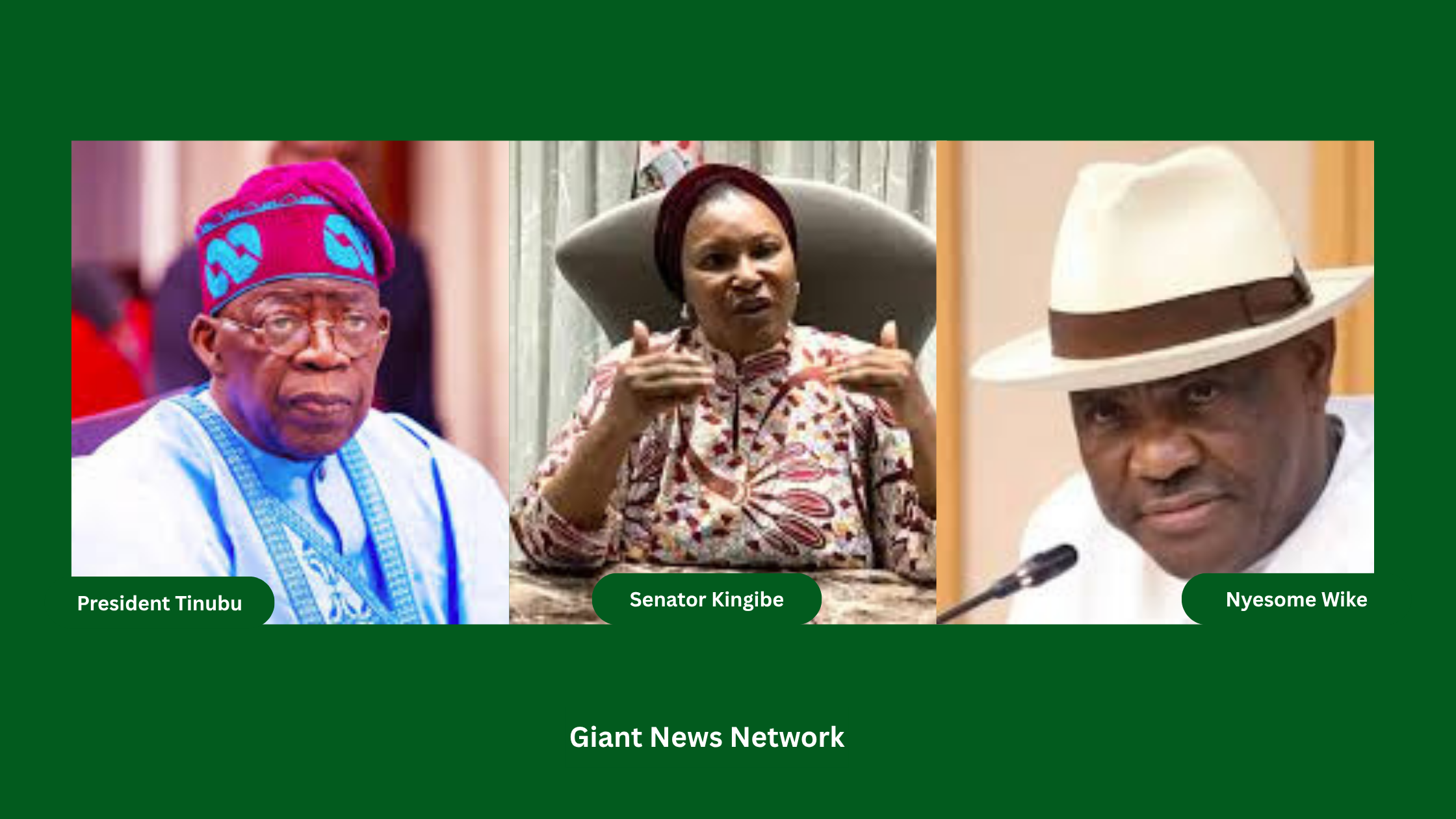
The Tinubu-led administration wasted no time in firing back at the former Labour Party candidate.
Presidential spokesperson Daniel Bwala took to social media platform X (formerly Twitter) to lash out at Obi for what he described as “hypocrisy” and opportunism.
“Surprisingly, the same Peter Obi has joined the structure of criminality,” Bwala wrote, referring to Obi’s previous condemnation of the political establishment.
He also mocked the Obidient Movement—Obi’s fervent online support base—for watching their “idol” join forces with politicians he once labelled corrupt or incompetent.
“The Obidient movement are so ashamed that after calling people names about changing political parties and direction, they are seeing their very own idol demonstrating ‘anywhere belle face’: PDP – APGA – PDP – Labour – ADC,” Bwala stated.
Obi’s Dilemma: Hopeful or Trapped?
Obi’s latest move has sparked a new wave of debate—can he maintain his political brand of integrity while partnering with establishment figures many Nigerians blame for the country’s woes? Or is this the only path to dethroning the APC?
For now, Obi insists his eyes are still fixed on the bigger picture—rescuing Nigeria, not clinging to a party logo.
But critics say he may have just stepped into a political house where he holds no keys, as questions linger over whether the coalition will hand him the 2027 presidential ticket—or sideline him in favour of an Atiku comeback.
Either way, the battle lines for 2027 are getting clearer. And Peter Obi is no longer walking alone.