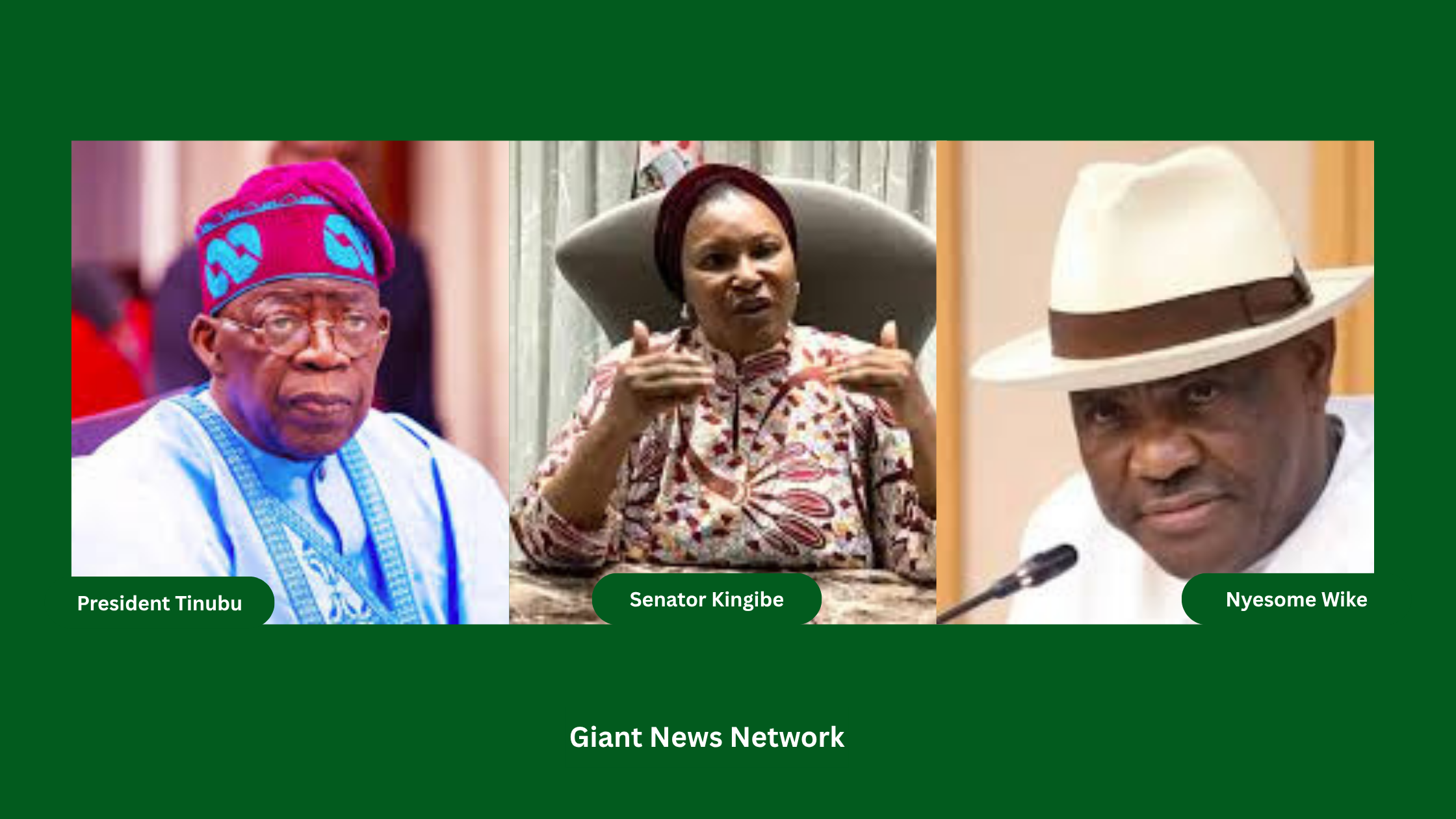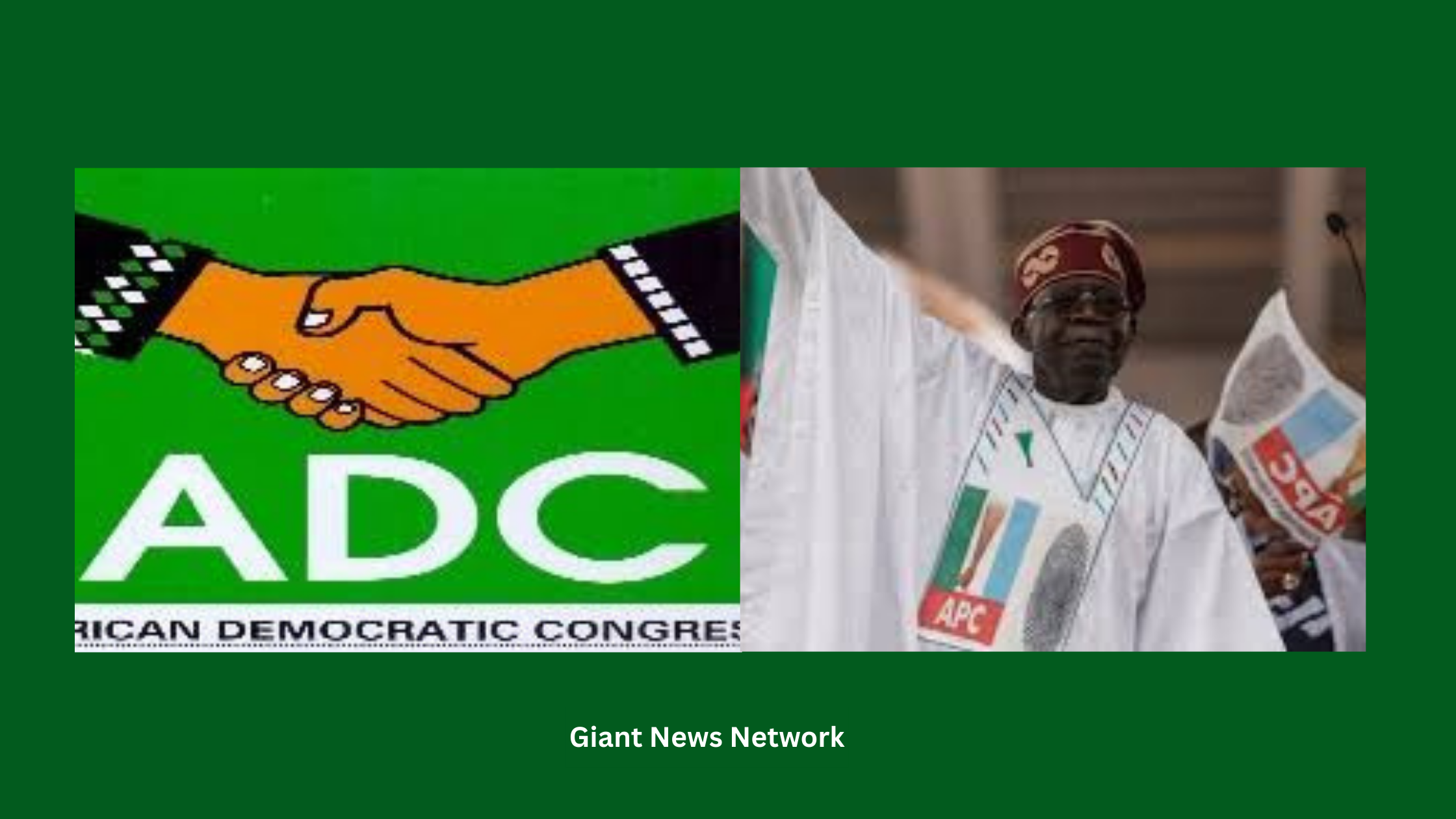
ABUJA, Nigeria — The Presidency has firmly denied widespread claims that President Bola Ahmed Tinubu is orchestrating the internal crises facing Nigeria’s opposition parties, labeling such accusations as baseless, politically motivated, and part of a growing “scapegoat culture.”
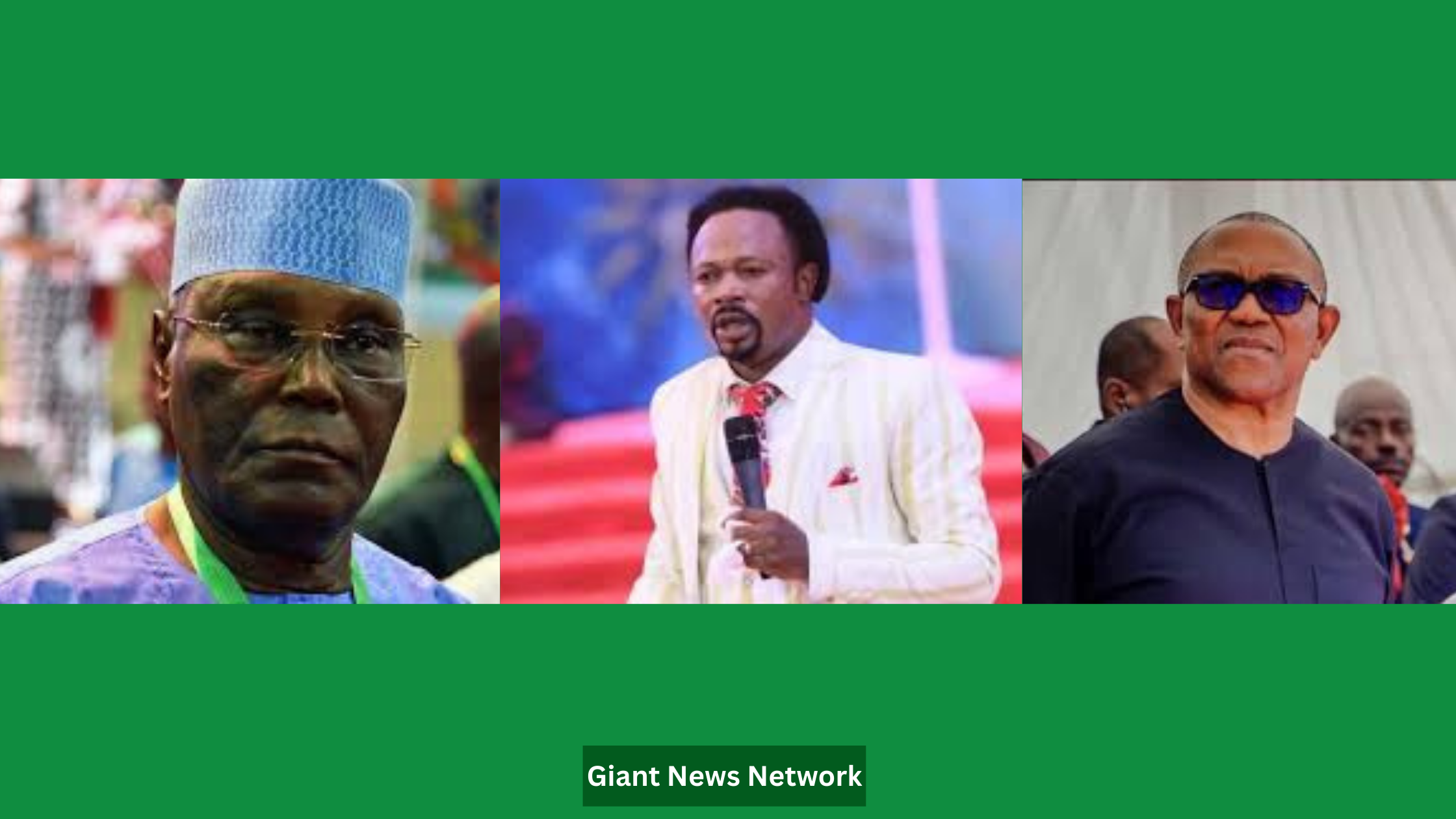
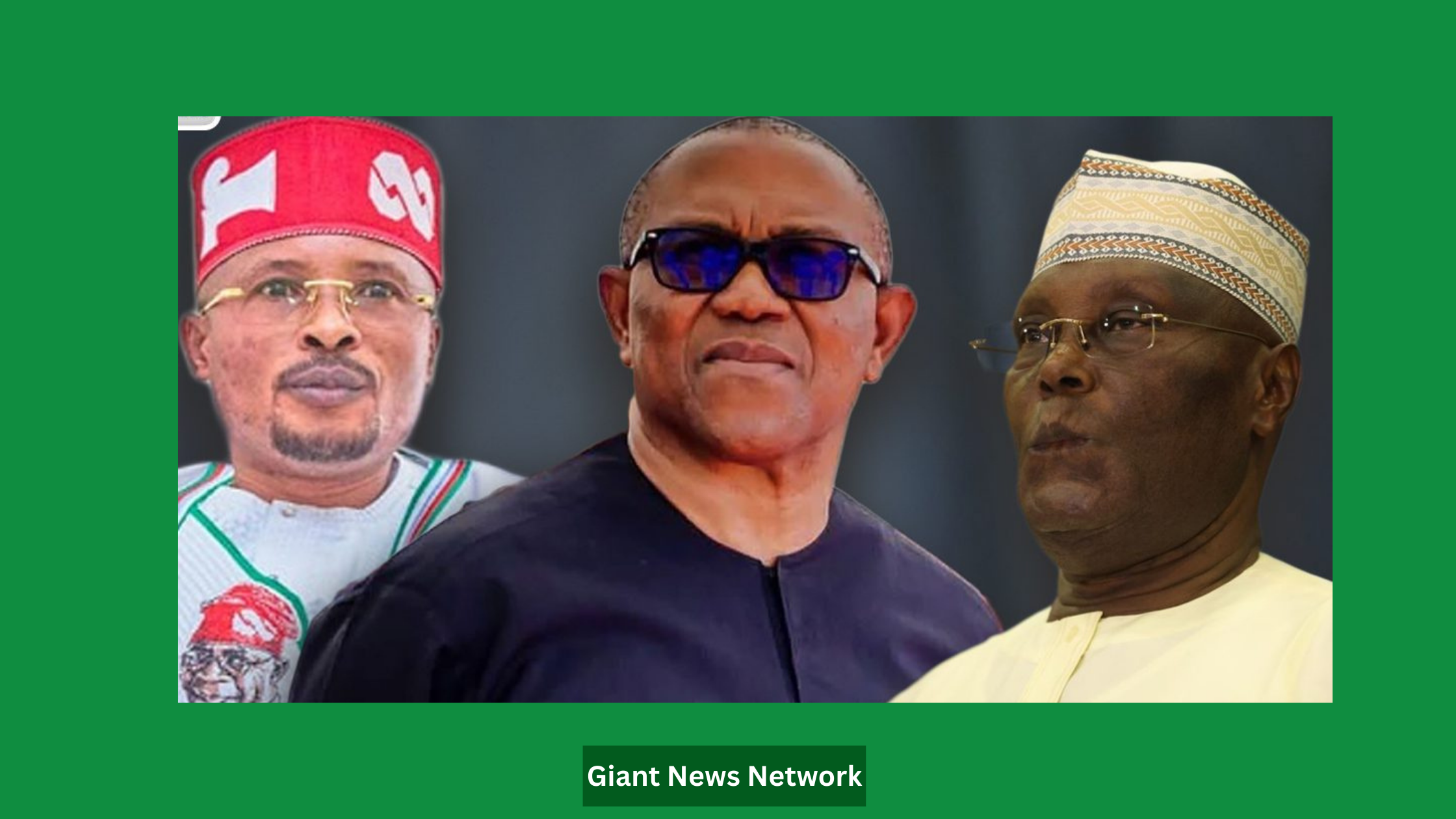
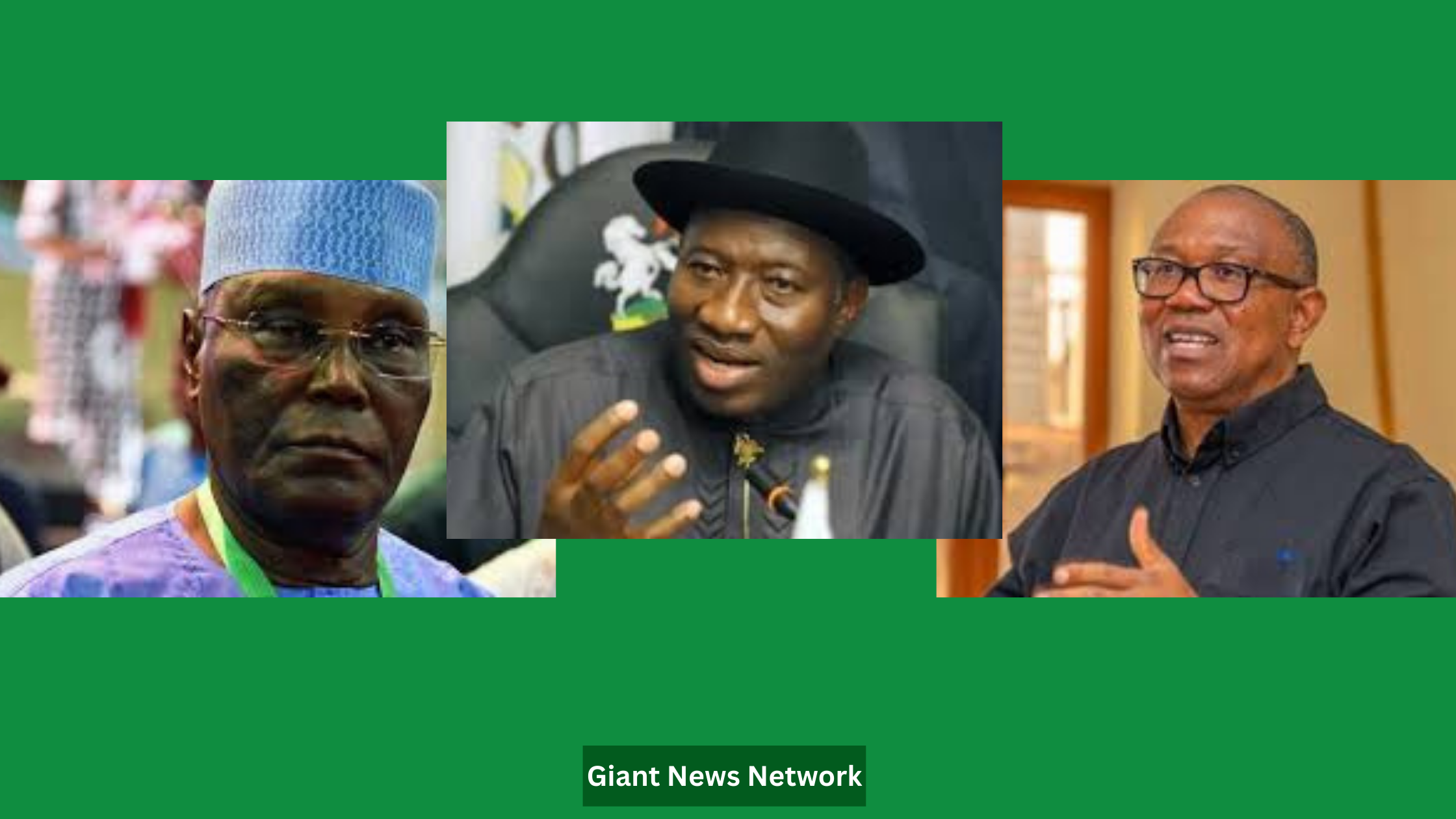
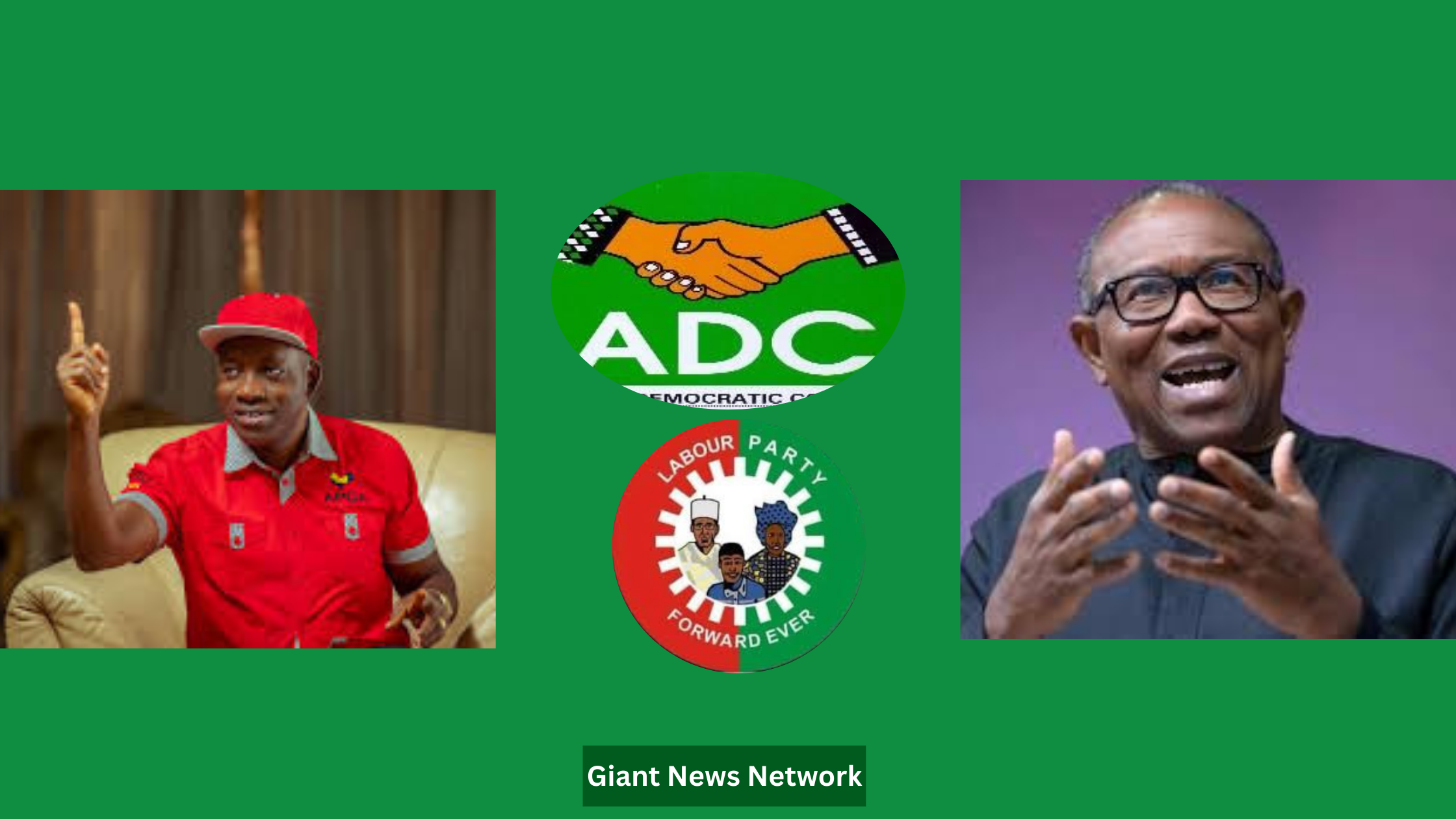
During an appearance on Arise News’ Prime Time on Thursday, July 11, 2025, President Tinubu’s Special Adviser on Information and Strategy, Bayo Onanuga, pushed back against allegations suggesting that the President was actively sabotaging opposition movements—especially the newly formed coalition involving former Vice President Atiku Abubakar, Labour Party’s Peter Obi, and other politicians under the banner of the African Democratic Congress (ADC).
“There’s this lazy tendency in Nigeria now—blame Tinubu for everything,” Onanuga said, clearly frustrated. “He wasn’t even in the country when some of these events occurred. But suddenly, he’s responsible for everything wrong.”
Opposition figures have alleged interference by the federal government, including sudden cancellations of booked venues, increased surveillance of opposition gatherings, and indirect intimidation tactics—especially during the ADC coalition’s recent meeting at the Shehu Musa Yar’adua Centre in Abuja. Eyewitnesses claimed that members of the coalition had to walk long distances to avoid security blocks.
But Onanuga dismissed the claims as “cheap political drama.”
“So if a hotel cancels a booking, does it mean Tinubu owns the hotel? Or controls all hotels in Abuja?” he questioned, adding that the Tinubu administration respects civil liberties.
“This government supports freedom of speech, freedom of the press, and freedom of opinion. To say otherwise is just baloney.”
Onanuga further downplayed the political weight of the Atiku-Obi coalition, arguing that a coalition alone is not enough to guarantee electoral success—especially without a solid strategy.
“Atiku has contested more than anyone else. Each time, he fails at the gates. Buhari failed multiple times too—until Tinubu helped him win. That’s history. If Atiku thinks bringing Obi on board will automatically translate into victory, then he is miscalculating,” he said.
He also pointed out that Atiku’s campaign in 2023 leaned heavily on regional sentiment, which, according to him, cost him support from other zones—especially the South.
“Even if Obi runs with Atiku, how sure are they that Obi’s supporters—who were driven by a different vision—will follow him again?” he asked.
On the issue of regional balance and support, Onanuga defended Tinubu’s record, especially in the North, stating that appointments made under the administration and developmental policies reflect the President’s commitment to national unity.
“People in the North are benefiting. He appointed key figures from the North-West and North-East. This is not a government of exclusion,” he insisted.
“A good turn deserves another. When the time comes, Tinubu will rely on the goodwill he has built across regions.”
As opposition voices intensify their criticism ahead of 2027, the presidency is digging in—clearly signaling that it won’t allow what it considers “conspiracy narratives” to shape public perception. Whether this approach calms political waters or further inflames partisan tensions remains to be seen. But one thing is clear: the battle lines for 2027 are already being drawn—two years ahead of time.
This is a developing political narrative with ongoing realignments and new coalition movements. More updates will follow as party strategies and counter-statements unfold.