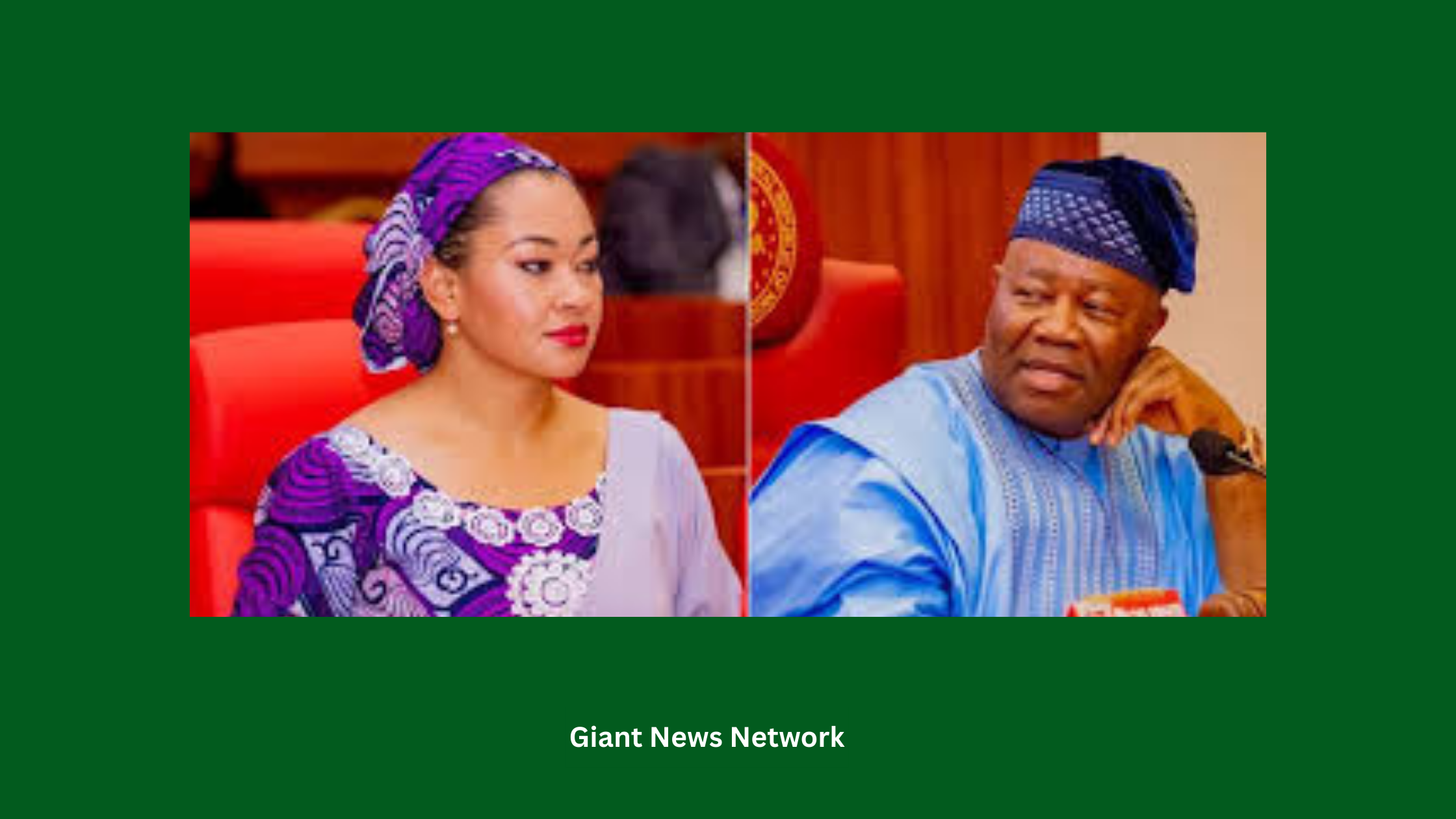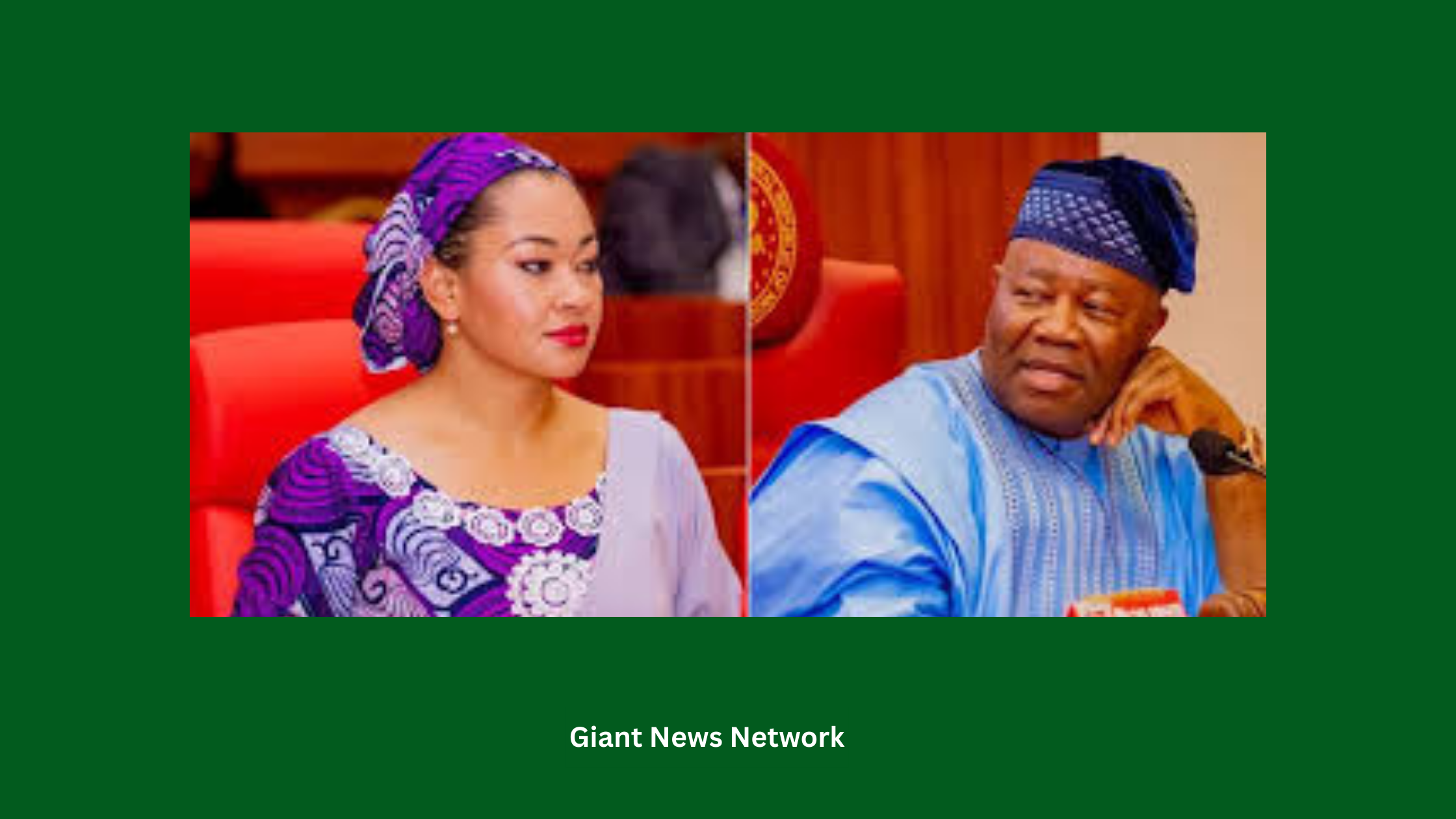
Abuja – The embattled lawmaker representing Kogi Central, Senator Natasha Akpoti-Uduaghan, has suffered yet another blow in the red chamber. Senate President Godswill Akpabio on Wednesday, July 10, announced her removal as Chair of the Senate Committee on Diaspora and Non-Governmental Organizations — leaving her without any committee leadership role just months after she was suspended and later reinstated by court order.
Akpoti-Uduaghan, who was previously the Chair of the Senate Committee on Local Content, had been reassigned to the Diaspora and NGOs Committee in February following her controversial six-month suspension from the Senate in March 2025. That suspension — triggered by a sexual harassment accusation she made against Senate President Akpabio — drew widespread outrage, particularly after a Federal High Court ruling later deemed it excessive and legally vague.
But instead of restoring her to full duties, Wednesday’s move signals that tensions between the senator and Senate leadership are far from over.
Senate President Akpabio, while making the announcement during plenary, offered no explanation for her removal. He simply named Senator Aniekan Bassey as the new chair and hinted at a wider reshuffle of vice-chairmanships in the coming week.
“We will make some changes to our vice chairmanship positions next week. Some senators have two positions. Every senator should either be a chairman or a vice chairman so we balance the situation,” Akpabio stated.
This latest development comes just days after the Senate initiated moves to amend the Legislative Houses (Powers & Privileges) Act — the same law used to justify Akpoti-Uduaghan’s suspension. The new amendment, sponsored by Senator Shehu Kaka (APC, Borno Central), is aimed at inserting more “specific disciplinary measures,” including clearer suspension durations — a response to the legal vacuum cited by Justice Binta Nyako in her ruling voiding Natasha’s suspension.
Justice Nyako had ruled that the six-month ban was arbitrary and that the existing law did not specify the suspension’s duration. She ordered that Senator Akpoti-Uduaghan be recalled — a directive the Senate appears to be sidestepping.
Despite the court’s ruling, Akpoti-Uduaghan has not resumed plenary. In a recent interview, she disclosed she was waiting for the Certified True Copy of the judgment before making her official return, stressing her respect for institutional processes.
The senator’s ordeal began on March 6, when the Senate Committee on Ethics and Public Petitions recommended her suspension over what it termed “unparliamentary conduct” — a fallout from her protest on the Senate floor after her seat and nameplate were abruptly removed.
Akpoti-Uduaghan accused Akpabio of attempting to intimidate and silence her. The Senate, however, sided with the Ethics Committee’s recommendation and voted overwhelmingly to suspend her. Alongside the suspension came other punitive measures — her salary was frozen, security withdrawn, her aides left unpaid, and her office locked.
Senate Minority Leader Abba Moro defended the move at the time, likening it to “disciplining a child” in line with “African tradition.”
With this latest removal from her committee role, it is clear that Natasha Akpoti-Uduaghan remains isolated within the Senate — despite a court order in her favour. Whether she will return to plenary or be given her full privileges back remains uncertain, as the Senate leadership pushes ahead with internal rule changes that could redefine how lawmakers are sanctioned in future. The political drama is far from over — and for Senator Natasha, the fight for her legislative legitimacy continues.
A judgment may have been passed, but in the politics of Nigeria’s red chamber, justice can still be delayed — or denied.