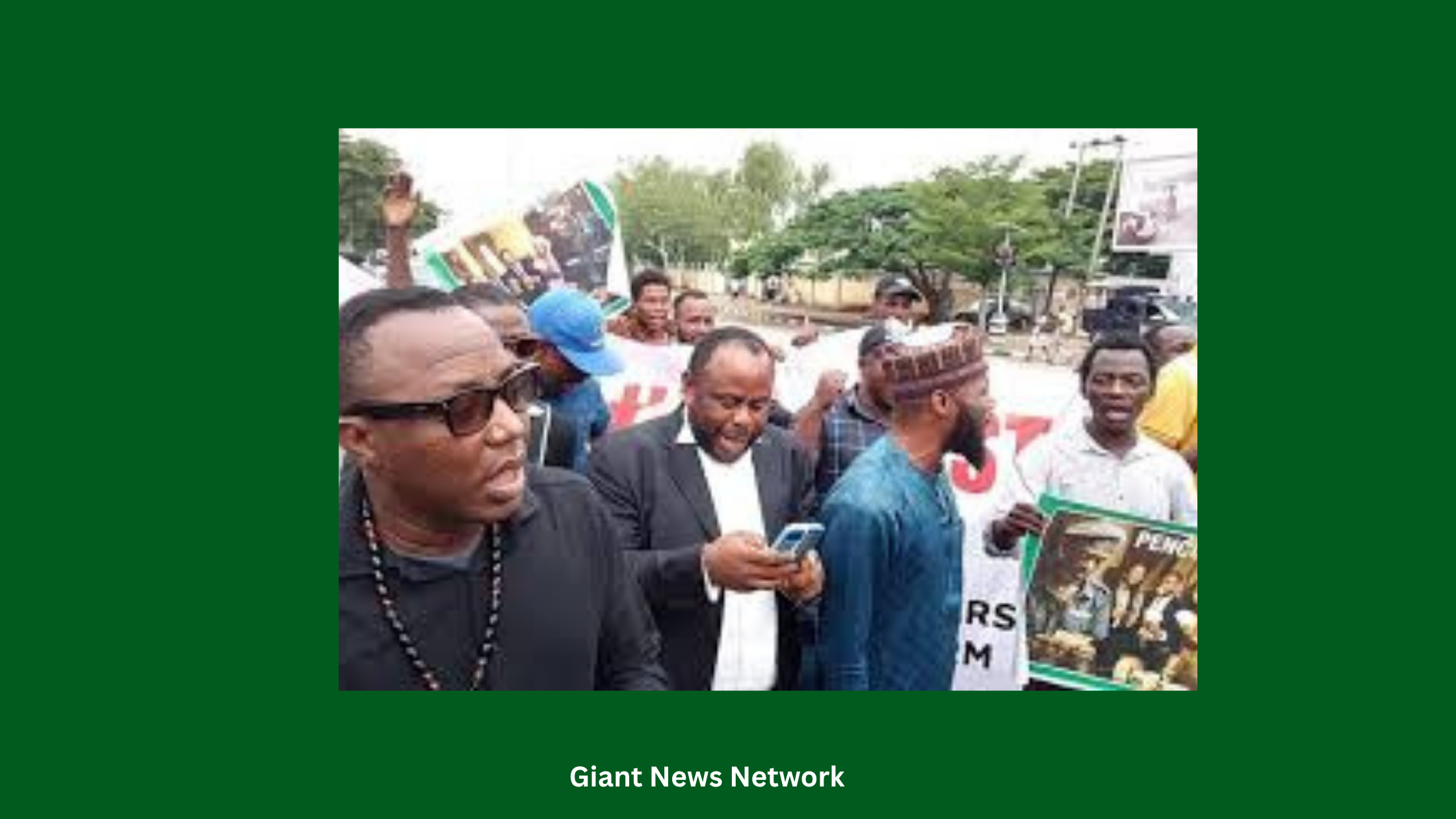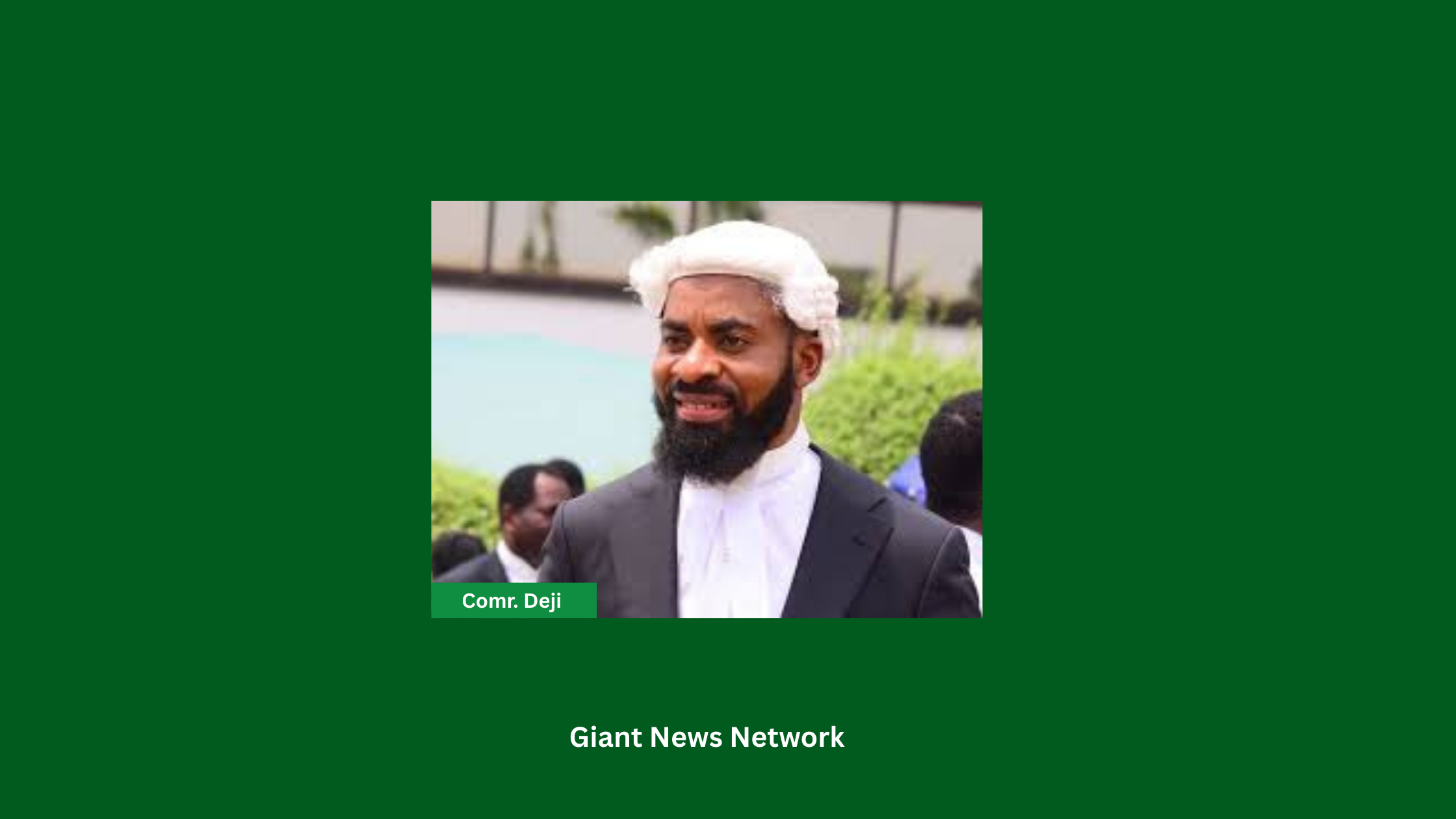
Prominent human rights activist and legal counsel to social commentator VDM, Comrade Deji Adeyanju, has issued a stern warning to Nigerians expressing death wishes toward the sitting president, urging caution in the wake of increasing online outrage following recent political developments.
In a Facebook post shared on Monday, Adeyanju described such statements as not only morally indefensible but also legally risky, especially as the Nigerian courts are set to go on their annual recess.
“To all the people posting outrageous and morally unconscionable tweets about the death of a sitting president, I just want you to know that courts are about to go on vacation,” Adeyanju wrote.
He explained that any arrests made during this judicial break might result in individuals remaining in custody until October, when the courts resume.
“Any arrest now is till October. But anyway, we will still demand for your release. I just said I should let you guys know,” he added, in a tone mixing legal realism with subtle sarcasm.
“Express Yourself, But Know the Risks”
While Adeyanju reaffirmed his stance on the constitutional right to free speech, he noted that the legal consequences of crossing certain lines—especially with statements perceived as threats or incitement—can be severe.
“Go ahead and freely express your opinion,” he concluded, acknowledging the tension between lawful expression and reckless commentary.
His post comes amid heightened online reactions following the deaths of former President Muhammadu Buhari and Awujale of Ijebuland, Oba Sikiru Adetona. A segment of social media users have taken to X (formerly Twitter) and Facebook to post controversial and, in some cases, celebratory remarks—especially from critics of the late Buhari’s administration.
Legal Experts React
Legal analysts have echoed Adeyanju’s caution, noting that while Nigerians are entitled to their opinions, there are constitutional boundaries—especially when it involves hate speech, incitement, or statements that can be interpreted as threats to national security.
Barrister Emmanuel Danjuma, a Lagos-based constitutional lawyer, said:
“Freedom of expression is not freedom from consequences. Wishing death upon a sitting president, regardless of how one feels politically, can be interpreted as criminal defamation, incitement, or even a security threat under Nigerian law.”
Why This Matters Now
The warning from Adeyanju also comes as government security agencies heighten monitoring of digital platforms following the spate of politically sensitive events. With tensions already high, some online users may inadvertently find themselves on the wrong side of the law.
This isn’t the first time Adeyanju has defended Nigerians arrested for controversial posts. In 2022 and 2023, he led multiple campaigns for the release of activists and bloggers detained under the Cybercrimes Act.
However, in this case, his tone suggests both concern and legal foresight.
While Nigerians have the right to speak truth to power, human rights defenders like Deji Adeyanju are reminding citizens to tread carefully—especially when emotions run high. In a digital age where tweets can become court exhibits, caution, it seems, may be the better part of activism.