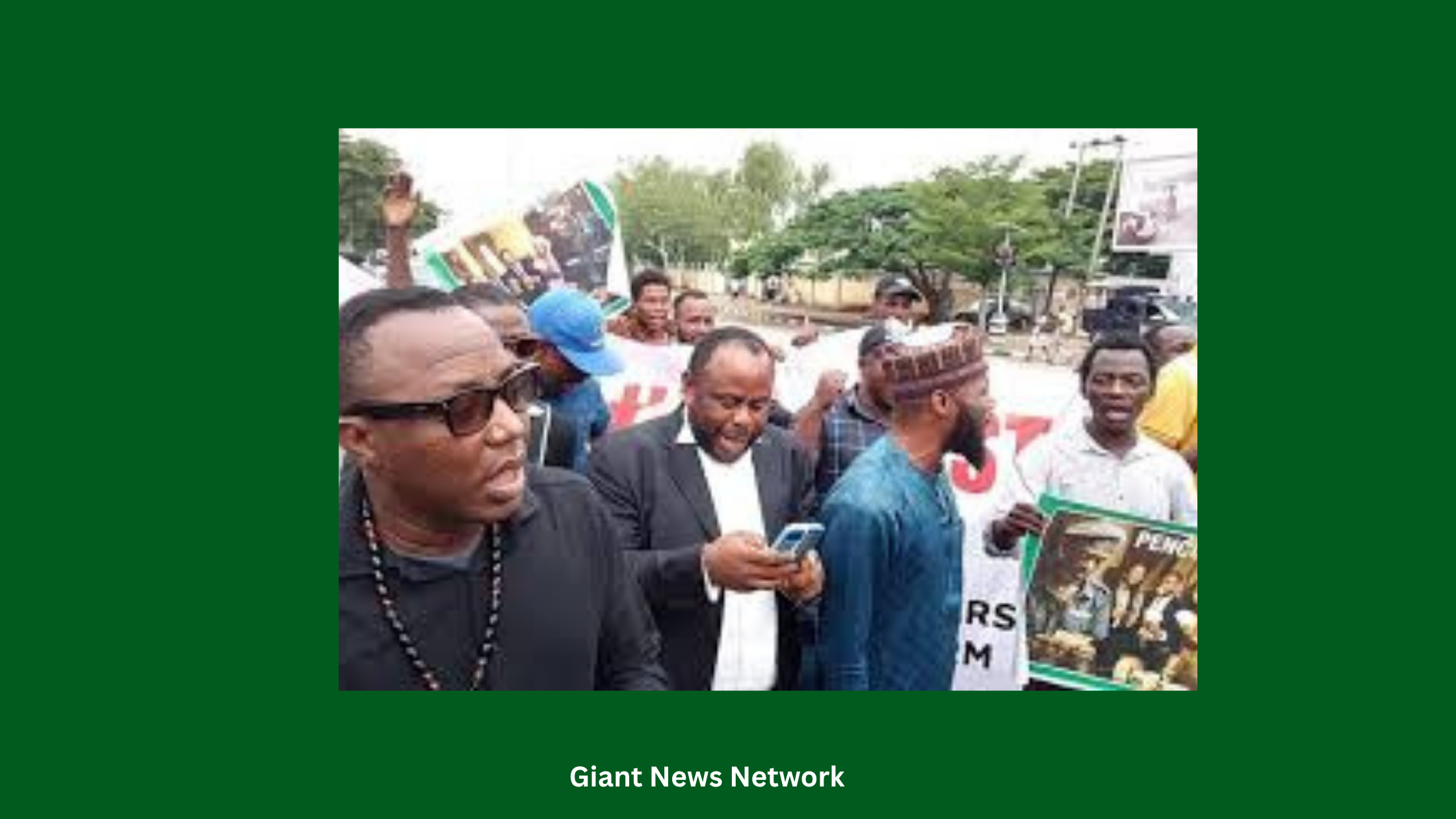
Seun Kuti, the activist-musician and son of Afrobeat legend Fela Kuti, has voiced strong criticism following the death of former President Muhammadu Buhari. Speaking in a video shared on Linda Ikeji’s social media platform, Seun said Buhari’s passing—though expected in old age—is far from a form of justice for those who suffered during his tenure.
Seun revealed that Buhari’s policies negatively impacted his own family, and he feels it is unfair that Buhari benefited from longevity and financial security while his family endured hardship. He highlighted the irony: “An old man has died in old age after using our blood to secure the financial future of his generations,” adding that his relatives—“better men”—died before Buhari had the chance to secure his children’s well-being.
Addressing the audience directly, Seun stated that viewers “cannot say their family suffered at Buhari’s hands the way mine did.” He emphasized that Buhari’s extended lifespan and comfortable end do not equate to accountability for the policies that harmed many.
In a more provocative moment, Seun said he hopes in the afterlife that Fela and other ancestors would confront Buhari upon his arrival in the “great beyond”.
Reflecting on political shifts, Seun claimed that northern politicians began forming new alliances, such as the opposition coalition, in anticipation of Buhari’s death. He suggested their moves were less about serving the public and more about responding to his imminent departure .
Reactions and Context
Seun’s frank commentary has sparked varied reactions. Supporters commend his courage and honesty, arguing that grieving Buhari’s death doesn’t erase the pain his administration caused. Others see his words as divisive, questioning the appropriateness of targeting a deceased figure while mourning is ongoing.
Looking Ahead
Seun’s critique adds to broader conversations over Buhari’s complex legacy—marked by anti-corruption campaigns and discipline but also controversies involving economic hardship, rural displacement, and social unrest. As tributes to the late president pour in, voices like Seun’s underscore the importance of balanced reflection, where national mourning coexists with critical assessment of policies and their long-term impact on Nigerian families.