“The charges do not hold water,” court rules as ex-Ekiti Governor walks free
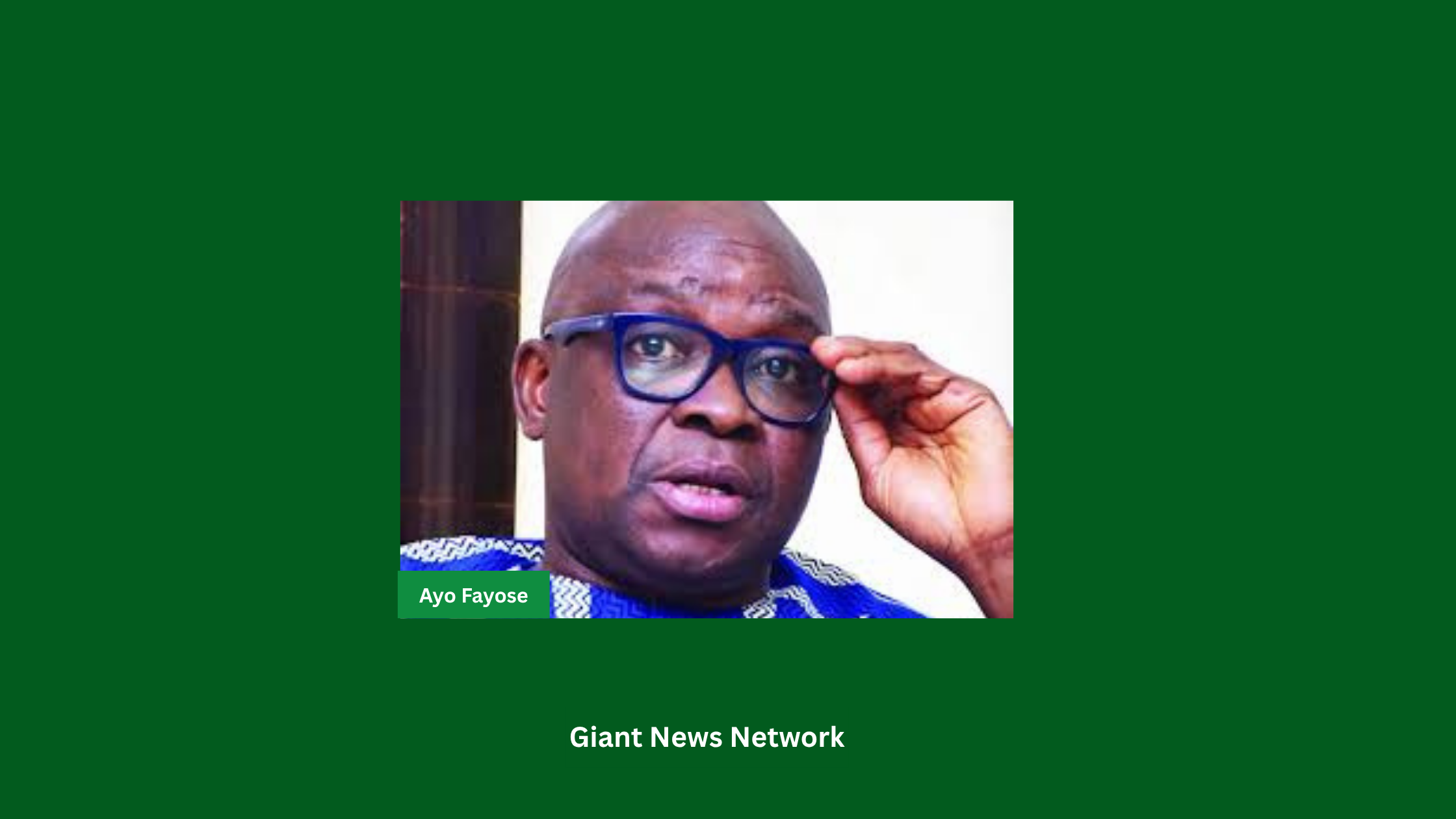
In a significant legal development, the Federal High Court sitting in Lagos has discharged and acquitted former Ekiti State Governor, Ayodele Fayose, of all 11 counts of money laundering and theft amounting to ₦6.9 billion.
The judgment, delivered on Wednesday, July 17, 2025, by Justice Chukwujekwu Aneke, upheld a no-case submission filed by Fayose’s legal team, stating that the Economic and Financial Crimes Commission (EFCC) had failed to establish a prima facie case against the defendant. The judge concluded that there was no credible link between Fayose and the alleged financial crimes to warrant opening his defence.
Background of the Case
Fayose was first arraigned by the EFCC in 2018 before Justice Mojisola Olatoregun, but the case was later reassigned to Justice Aneke after the commission sought a transfer. The charges stemmed from allegations that Fayose received ₦1.2 billion from former Minister of State for Defence, Musiliu Obanikoro, to fund his 2014 gubernatorial campaign. The funds were allegedly sourced from the Office of the National Security Adviser and delivered in cash—an act which the EFCC argued violated Nigeria’s financial regulations.
The EFCC also claimed Fayose laundered various sums through companies such as De Privateer Ltd and Still Earth Ltd, allegedly acquiring choice properties with the illicit funds. Additionally, his company, Spotless Investment Ltd, was charged alongside him.
Defence and Ruling
However, in a powerful argument led by Fayose’s counsel, Chief Kanu Agabi (SAN), the defence insisted that the EFCC failed to prove any element of the alleged crimes. Agabi also pointed out procedural gaps, including the fact that Abiodun Agbele—who allegedly played a major role in the transactions—was never charged alongside Fayose.
“With due respect, the predicate offences on which these charges are based do not hold water. Criminal breach of trust and conspiracy are distinct, and no co-conspirator was charged alongside the defendant,” Agabi told the court.
Agreeing with the submission, Justice Aneke ruled that the prosecution’s case was too weak and speculative, stating that no credible evidence was presented to show that Fayose personally committed the alleged offences. The court, therefore, discharged the former governor and brought an end to the protracted legal battle.
Reactions and Implications
Fayose’s acquittal has sparked mixed reactions across the political spectrum. While his supporters have hailed the ruling as a long-overdue vindication, critics have raised fresh concerns over the EFCC’s prosecutorial strategy and the wider issue of accountability in public office.
This latest development also casts a shadow on the anti-corruption legacy of former administrations, reigniting public discourse on how high-profile cases are investigated and prosecuted in Nigeria.
As of press time, the EFCC has not issued an official response to the ruling or whether it intends to appeal the decision.
For Fayose, Wednesday’s judgment marks the end of a seven-year ordeal that began shortly after his second term as Ekiti State governor. Whether this ruling restores his political relevance or dims the EFCC’s credibility further remains to be seen.
More updates to follow.