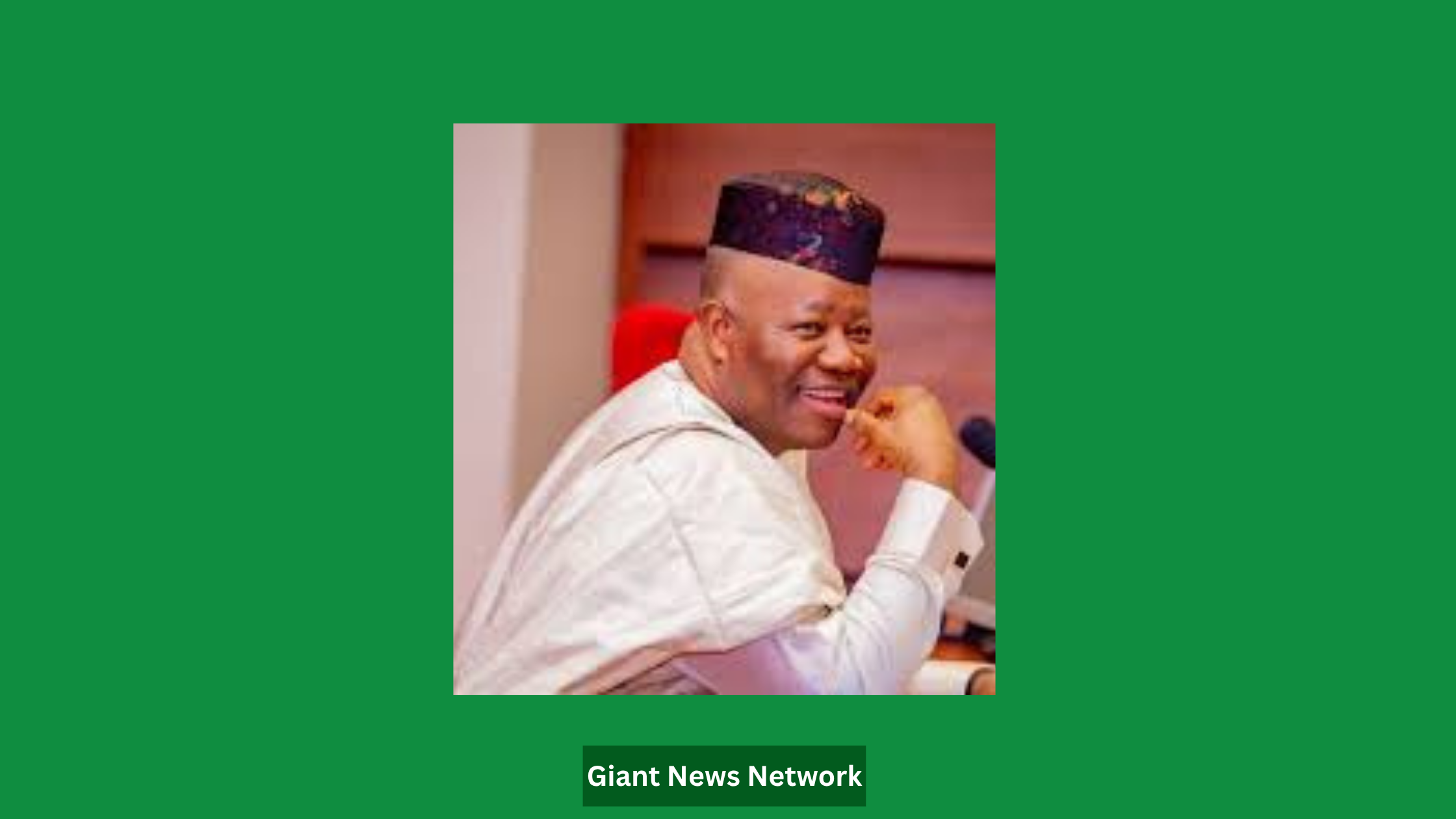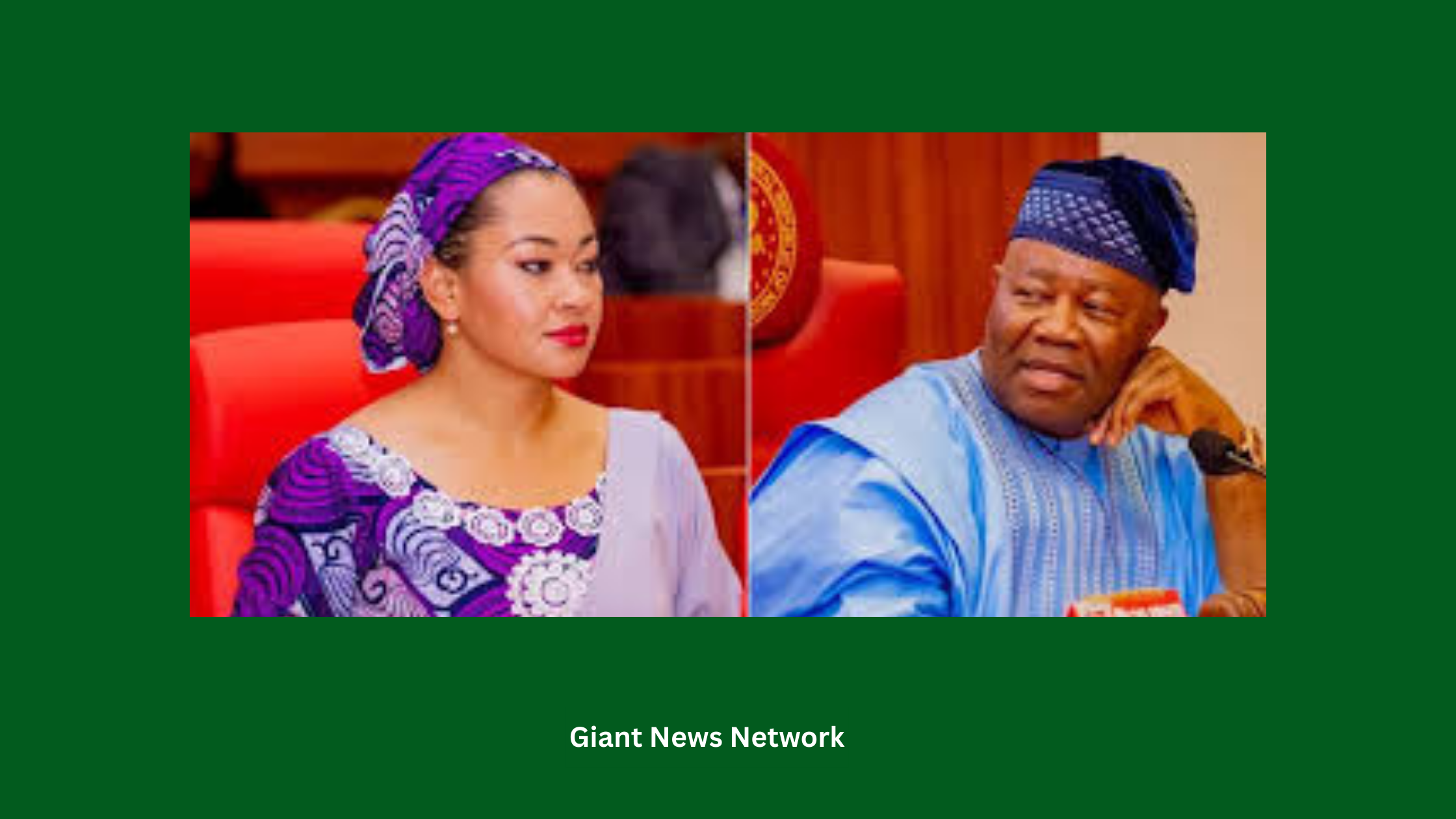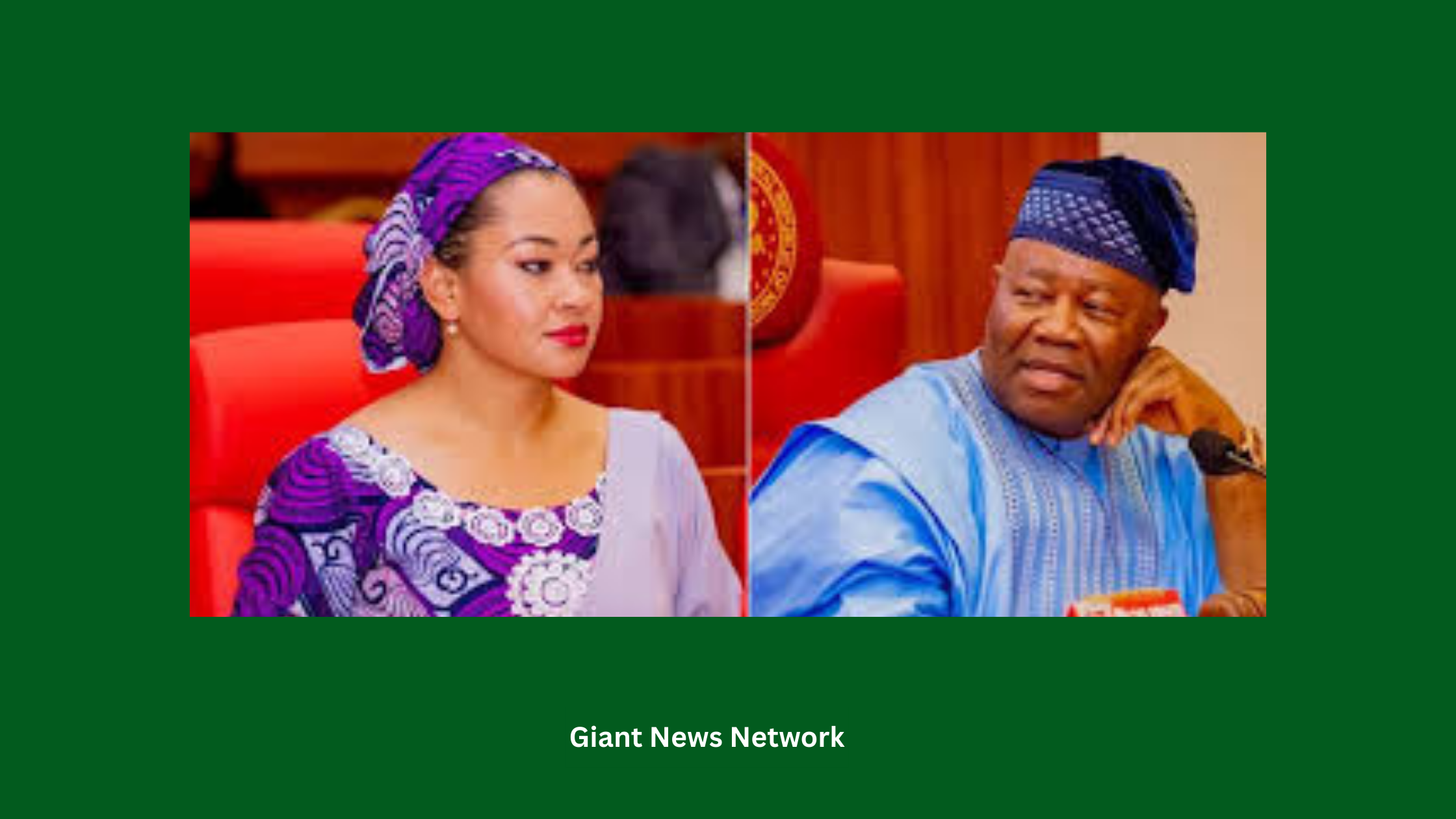
Senate President Godswill Akpabio has filed a formal appeal against the Federal High Court ruling that ordered the reinstatement of suspended Kogi Central senator, Natasha Akpoti-Uduaghan. The Senate chief argues that the judgment overstepped judicial boundaries and intruded into matters strictly reserved for the legislative arm.
In a detailed 11-ground notice of appeal, Akpabio is asking the Court of Appeal to overturn Justice Binta Nyako’s July 4 judgment which ordered the Senate to recall Senator Akpoti-Uduaghan. The Federal High Court had described the six-month suspension placed on the senator as “extreme,” calling for her immediate reinstatement.
Senator Akpoti-Uduaghan was suspended on March 6 after a heated disagreement over her reassigned seat on the Senate floor. Her refusal to accept the seat allocated by Akpabio reportedly led to a confrontation, following which she was barred from the National Assembly premises, had her office locked, aides unpaid, and was stripped of all privileges.
Following the ruling, the Senate’s spokesperson, Yemi Adaramodu, publicly stated that Akpoti-Uduaghan would not be reinstated immediately, suggesting certain conditions must be met before her return. The senator herself had announced plans to resume plenary on July 8 but failed to appear at the National Assembly.
In his appeal, Akpabio maintains that the court lacked the jurisdiction to interfere in what he calls the internal affairs of the Senate. His legal team cited Section 251 of the 1999 Constitution, which they argue shields parliamentary procedures — including suspensions and resolutions — from judicial review.
He also contended that the case filed by Akpoti-Uduaghan was premature, as she had not exhausted the Senate’s internal dispute resolution mechanism, particularly the Committee on Ethics, Privileges, and Public Petitions, as required by the Senate Standing Orders 2023.
Akpabio further accused the Federal High Court of breaching his right to fair hearing. According to him, the court introduced and ruled on issues that were never raised by either party, especially the question of whether the six-month suspension was excessive.
He argued that the court erred in merging the interlocutory reliefs with the substantive claims in the same judgment and failed to ensure procedural compliance with Section 21 of the Legislative Houses Act, which mandates a three-month notice to be served on the Clerk of the National Assembly before initiating any suit.
In his reliefs, Akpabio is asking the appellate court to:
- Nullify the entire judgment of the Federal High Court;
- Dismiss Akpoti-Uduaghan’s suit for lack of jurisdiction;
- Strike out what he called “duplicated reliefs” in her applications;
- Reject what he described as “advisory opinions” issued by the trial court, particularly regarding Senate rule amendments and the recall of suspended members.
He also urged the Court of Appeal to invoke Section 15 of the Court of Appeal Act to resolve his preliminary objections in his favour.
Meanwhile, barely days after the court ruling, Akpabio announced a reshuffle on the Senate floor, replacing Akpoti-Uduaghan as Chair of the Senate Committee on Diaspora and NGOs with Senator Aniekan Bassey of Akwa Ibom North-East. The Senate President also hinted at further reshuffling of vice-chairmanship positions across several committees.
The legal standoff between Akpabio and Senator Akpoti-Uduaghan has deepened the crisis rocking the Red Chamber. As the case moves to the Court of Appeal, political observers and civil society are watching closely, warning that the outcome could set a precedent on the limits — or reach — of judicial intervention in legislative affairs.