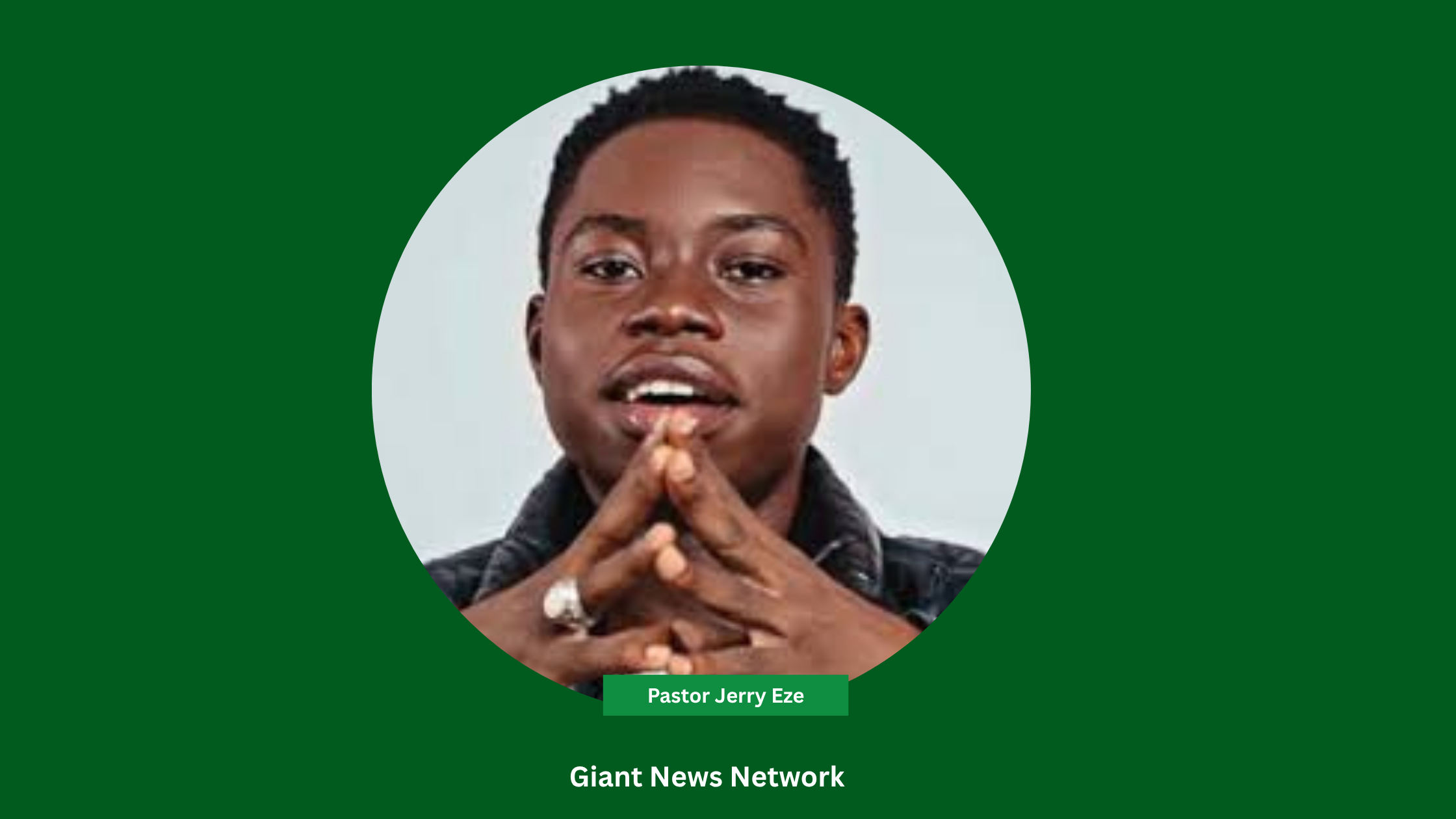
Nigeria’s teenage TikTok sensation, Peller, has opened up in a livestream about his conversion from Islam to Christianity, revealing that his decision was driven by trauma at a Quranic school. His confession has sparked intense debate online about childhood abuse, religious choice, and personal healing.
Deeply Personal Confession
During a recent livestream session, Peller—real name Habeeb Hamzat—shared that he was born into a Muslim family but no longer practices Islam. The influencer surprised viewers when a fan addressed him as Muslim, prompting his abrupt response:
“I am not a Muslim. I attend church.”
He went on to explain why, recalling a harrowing childhood at a Quranic school:
“When I was young, I used to go Quranic school… they beat me mercilessly,” he said. “That was the reason I stopped attending.”
Childhood Trauma and Faith
Peller linked the physical punishment he experienced with a broader disillusionment toward Islam, marking it as a pivotal moment in his spiritual journey. The trauma he described left emotional scars that influenced his religious identity.
Public Reactions and Online Discourse
News of his revelation ignited mixed reactions. Many praised his honesty, acknowledging the long-swept issue of corporal discipline in Quranic learning:
“Bad experience no mean the religion bad. Na people,” noted one user. Others pushed back, suggesting he might still engage in Islamic practices. Supporters defended his right to choose his spiritual path.
Influence and Youth Role Model
At just 20 years old, Peller boasts over 10 million social media followers and is widely regarded as a cultural icon for Nigerian Gen‑Z. Since launching in 2021, he’s earned acclaim—winning “Best Content Creator” at the 2024 Trace Awards Africa and enjoying high-profile collaborations with artists like Olamide.
His decision to speak openly about religious change has raised the critical question: what influence does he truly have on youth religious identity?
Broader Trend: Religion, Trauma & Choice
Peller’s story isn’t isolated. Across Nigerian digital spaces, personal testimonies of religious transition often tie back to memories of abuse or coercion. One Reddit user shared:
“I was persecuted… beaten up… all because I refused to remove my cross necklace. I took every fist and slap.”
Such accounts underline a wider pattern: religious allegiance is often deeply personal, and shaped as much by experience as by belief.
Giant News Network carried the news about Jarvis leaving Peller.
Peller’s confession adds a human face to often‑taboo discussions on conversion and trauma in religious education. His story forces Nigerians to confront uncomfortable questions: how many others carry similar scars? How should institutions respond when faith becomes a source of fear?
📌 Developing story — What’s your take? Share your thoughts: should survivors of childhood religious trauma find safe space to share and heal?