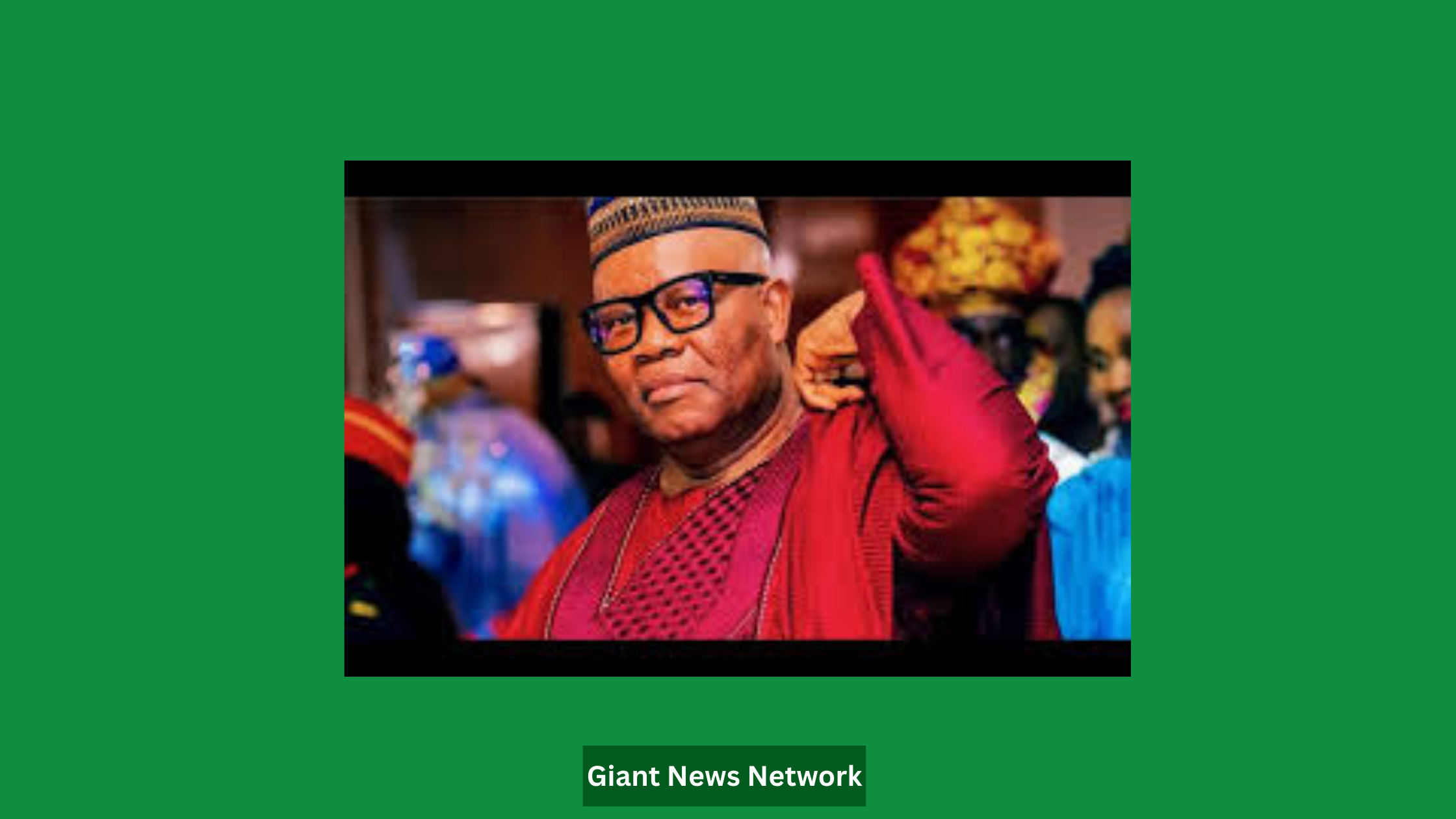
Activist and human rights advocate Aisha Yesufu has publicly ripped into Edo State Governor Monday Okpebholo, accusing him of overstepping his authority after threatening to withhold security from former presidential candidate Peter Obi, unless Obi secured his permission to enter Edo. Her explosive remarks have reignited debates on democracy, power misuse, and the fate of opposition in Nigerian politics.
The Trigger: Okpebholo’s Threat
At a political rally, Governor Osagie Monday Okpebholo declared:
“Peter Obi cannot enter Edo unless he informs me. If anything happens to him here, it’s on him.”
This warning came after Obi’s visit to the state, during which he donated ₦15 million to local causes. Okpebholo linked the donation to subsequent unrest in Benin, framing it as a provocation. (turn0search0turn0search1)
Yesufu Strikes Back
Speaking on Channels TV’s Breakfast Show, Yesufu condemned the governor’s stance:
“What gave him the audacity to insist on giving security clearance to any Nigerian before entering Edo? Edo is not his family estate… he doesn’t have the power to block movement or threaten citizens.” (turn0search1turn0search0)
She called the threat a direct menace to Obi’s life and a dangerous precedent undermining federal rights.
Okpebholo’s Defense & Wike’s Backing
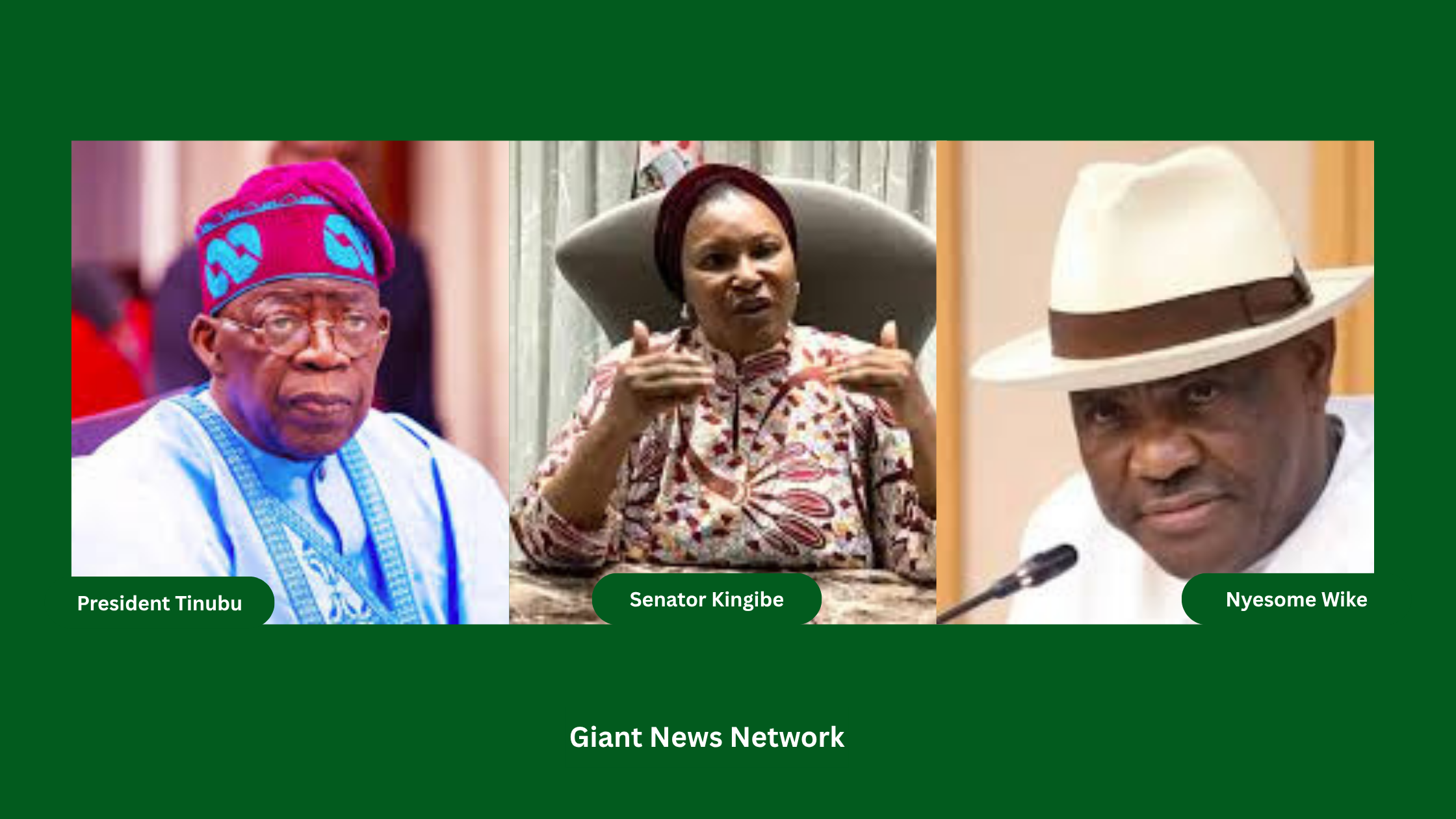
FCT Minister Nyesom Wike came to Okpebholo’s defence, framing the clearance demand as a security protocol; not a personal vendetta. He cited previous visits by political figures to his state as requiring prior notice to ensure safety. “When Obi came to Rivers, he informed me,” Wike stated. (turn0search5)
Meanwhile, Edo State Government insisted Okpebholo never threatened Obi’s life—only requested prior notification for visits.
Misleading Claims About El‑Rufai
The state government also tried to imply that Obi once had Nasir El‑Rufai arrested in Anambra—a claim Yesufu vehemently debunked. She clarified that El‑Rufai was detained by DSS operatives in 2013 due to “security reasons,” not under Obi’s command. (turn0search15turn0search3)
Broader Political Tensions
Yesufu’s criticism echoes deeper tensions in Edo politics. Last year, she publicly pilloried Okpebholo’s predecessor, Godwin Obaseki, for refusing to swear in assembly members and judges, and blamed him for democratic decay—even as he lamented the election outcome. (turn0search11turn0search9)
- Monday Okpebholo, APC’s Edo governorship candidate, was declared winner of the 2024 election with 291,667 votes—defeating PDP’s Ighodalo (247,274) and LP’s Akpata (18,737). His win followed tense post-election scenes, where Obaseki was escorted out of INEC’s collation centre by security forces. (turn0search6turn0search9)
- Aisha Yesufu, co-convener of the #BringBackOurGirls movement, continues to be a sharp critic of political overreach and democratic erosion.
This confrontation is more than a clash of egos—it’s a battle over the limits of gubernatorial power and citizen rights:
Does a state governor have the authority to demand “clearance” from Nigerians entering his territory?
Is Okpebholo enforcing security, or policing dissent?
And can threats—real or veiled—ever be reconciled with democratic ideals?
Yesufu’s fiery challenge brings these questions front and centre. As tensions simmer in Edo, the stakes are clear: will power remain unchecked, or will citizens reclaim their constitutional rights?