Nigeria’s Minister of State for Foreign Affairs, Bianca Odumegwu‑Ojukwu, has made a high‑stakes diplomatic visit to Ghana amid a wave of volatile protests demanding the expulsion of Nigerian nationals. The move comes after protesters flared tempers in Accra, accusing Nigerians—particularly Igbos—of criminality, moral decay, and disrespect for Ghana’s culture.
Mass Protests in Accra
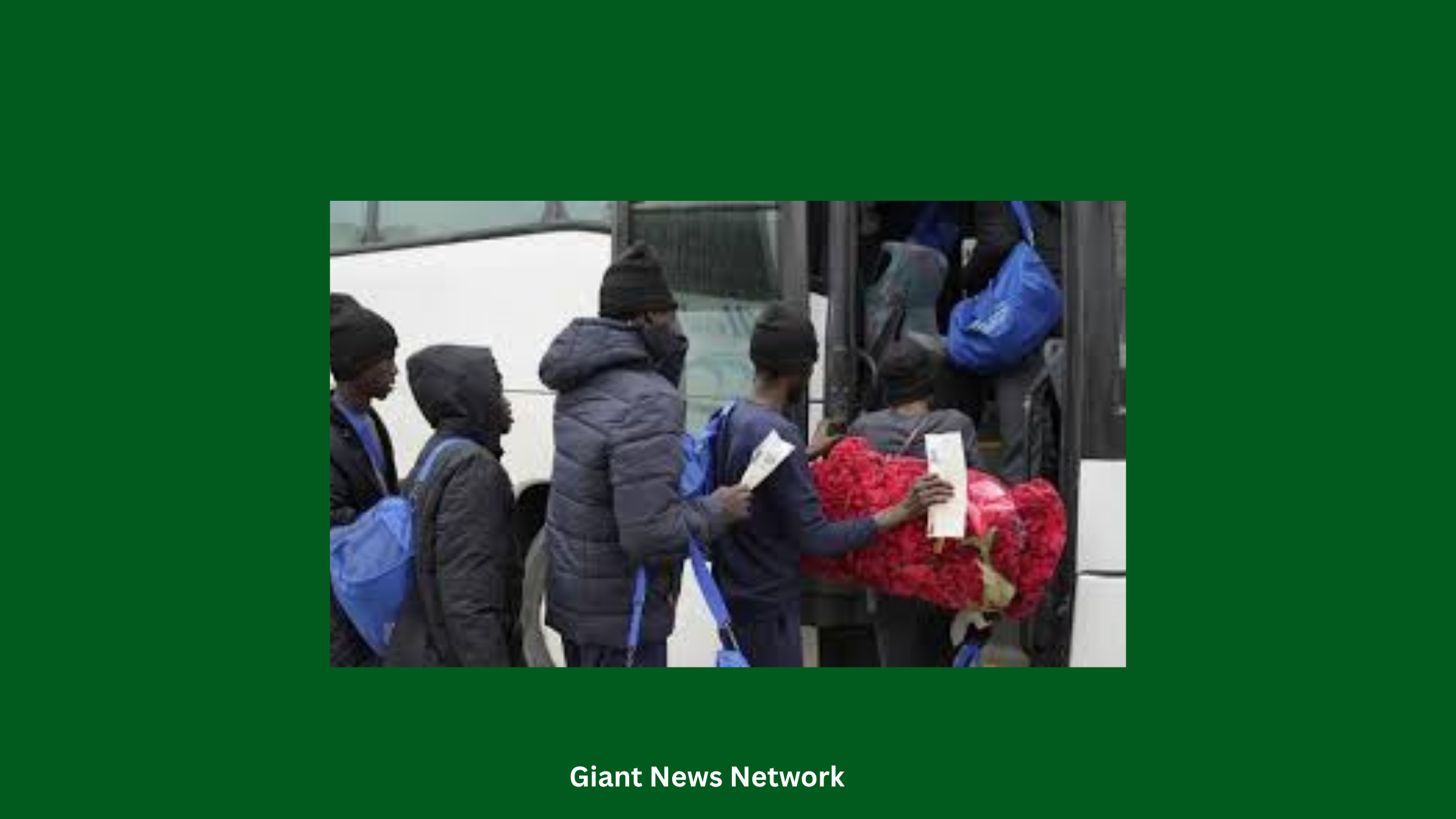
On July 26, 2025, hundreds gathered at Obra Spot in Accra, draped in red and chanting “Nigeria Must Go!” Their placards blamed Nigerians for a crime surge—over kidnapping, ritual killings, prostitution, and mass fraud. One protester loudly warned:
“Soon our children no go fit go market and return!”
Another condemned the recent coronation of an Igbo “king” in Ghana as cultural theft.
Bianca Ojukwu Arrives
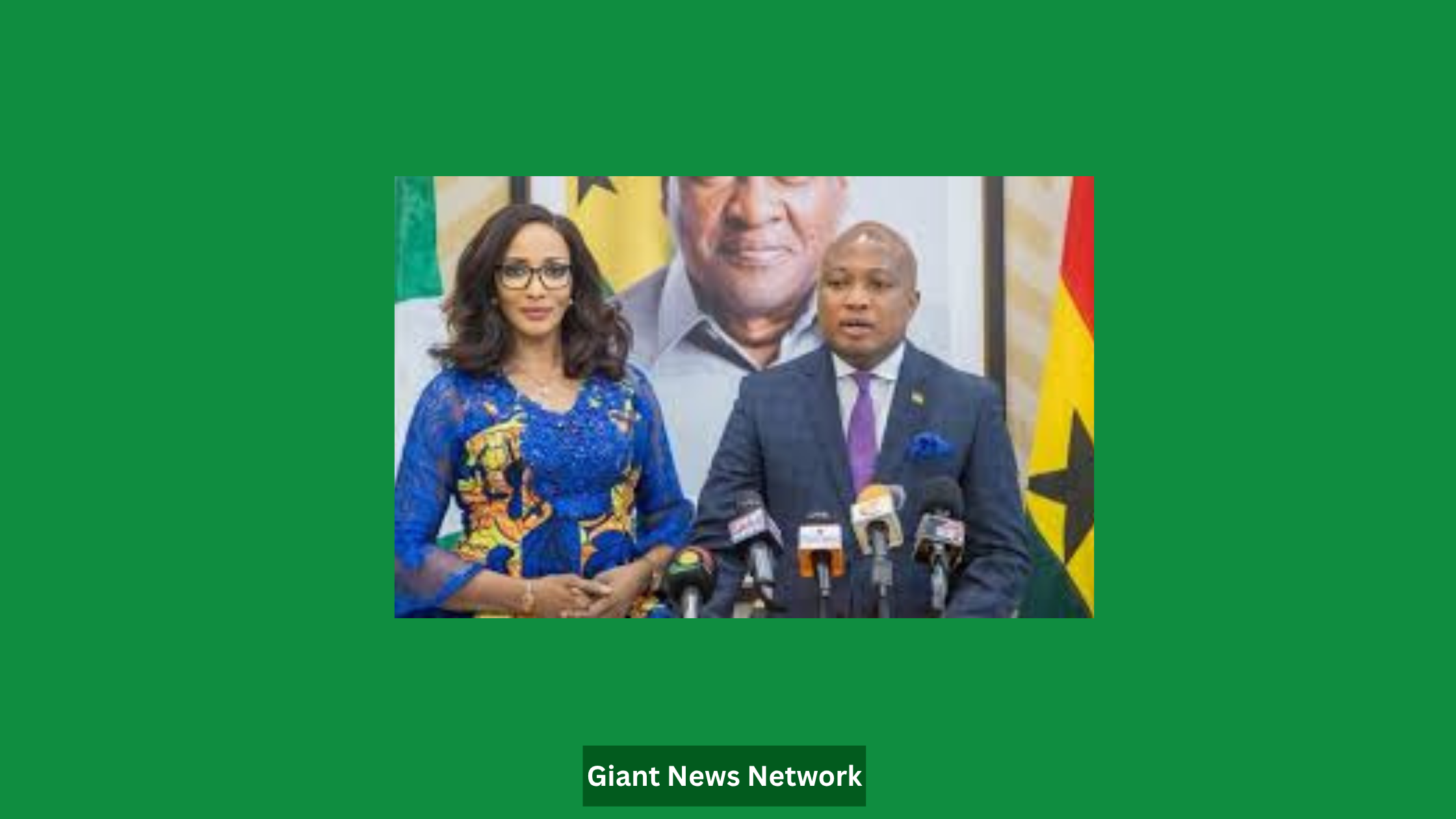
In response, Nigeria dispatched Ambassador Bianca Ojukwu to Accra. On July 30, she addressed the media alongside her Ghanaian counterpart, Samuel Ablakwa. She denied seeing mass unrest on arrival—no tyre-burning, no mass marches. She credited the Ghanaian government for controlling the narrative.
Diplomacy at Work
Ghana’s Foreign Minister reaffirmed that both citizens and foreign residents must remain protected. He stressed that history must not repeat itself and called for compassion over conflict]
Similarly, Abike Dabiri-Erewa, chair of Nigerians in Diaspora Commission, condemned the protests for reducing displaced Nigerians to criminal stereotypes, reminding Nigerians to stay calm and avoid retaliation.
Conspiracy at Play?
While official statements paint calm, online rumors suggest a deeper narrative:
- Some allege the protests were orchestrated by political actors to inflame anti-Nigerian sentiment and cover investigations into recent high-profile crimes involving Nigerian suspects.
- Others point to economic jealousy, with markets in Accra dominated by Nigerian traders, prompting nationalist backlash.
- The Igbo king controversy—Eze Chukwudi Ihenetu’s installation—has become a symbolic scapegoat, feeding xenophobic sentiment and sparking calls for cultural sovereignty
What appeared to be a grassroots protest has become a diplomatic minefield. Nigeria’s swift response—via Ojukwu’s visit and NIDCOM’s intervention—currently masks deeper tension: cultural identity, ethnic stereotyping, and political maneuvering.
Full transcript of the Ojukwu-Ablakwa meeting, local statements by Ghanaian authority on immigration policy, and investigation into media footage syndication would clarify whether this is spontaneous protest—or a politically charged setup.