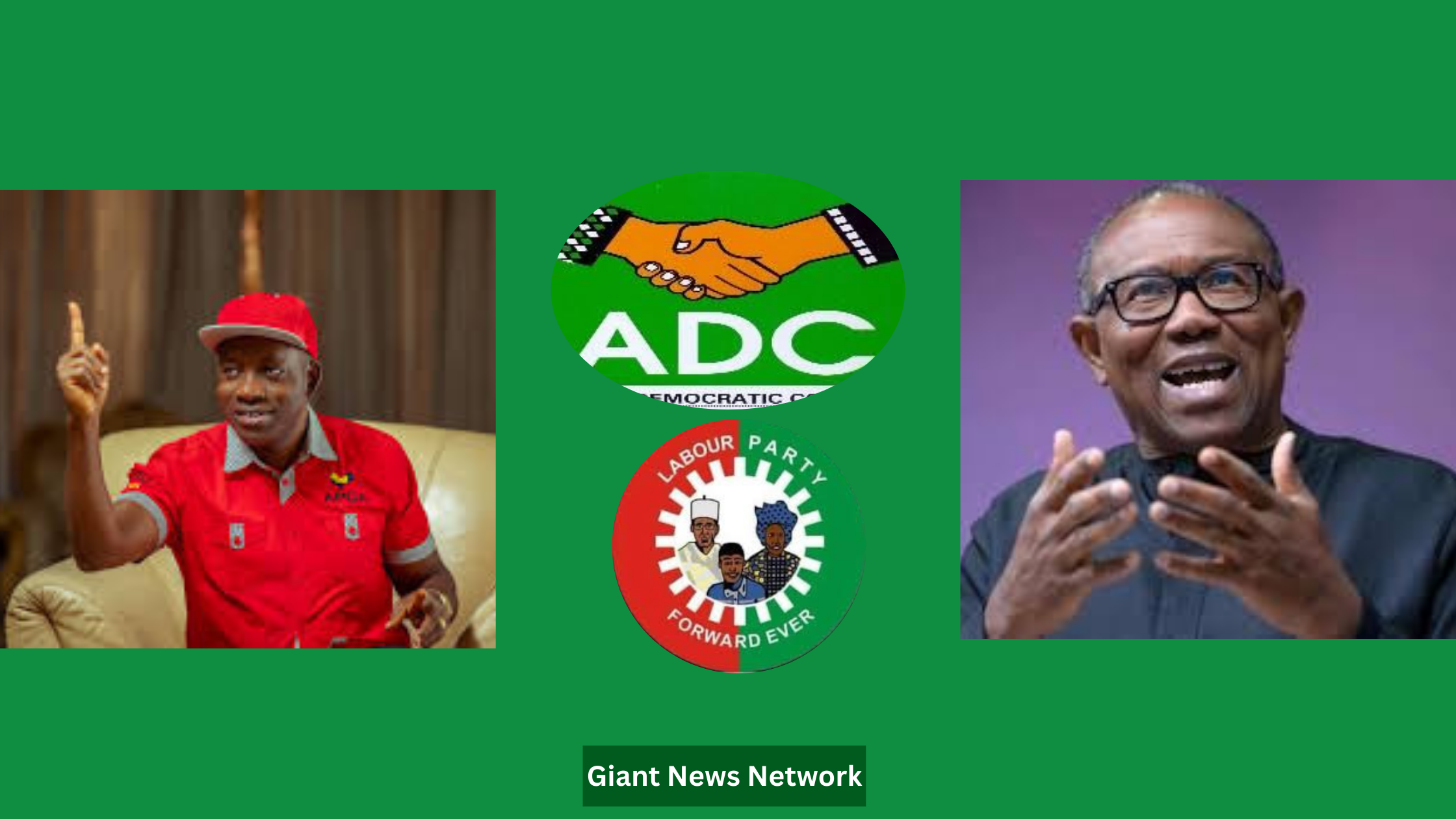
Peter Obi’s renewed vow to serve only a single term if elected in 2027 has sparked a fierce backlash from President Tinubu’s government, with his spokesman branding the promise dishonest and hypocritical.
Obi’s Controversial Pledge
Peter Obi, former Labour Party flagbearer in 2023, recently reaffirmed his commitment to serve only one four‑year term—citing zoning principles and governance efficiency. He suggested a southern president should step down by May 28, 2031, to uphold Nigeria’s unwritten power‑rotation agreement.
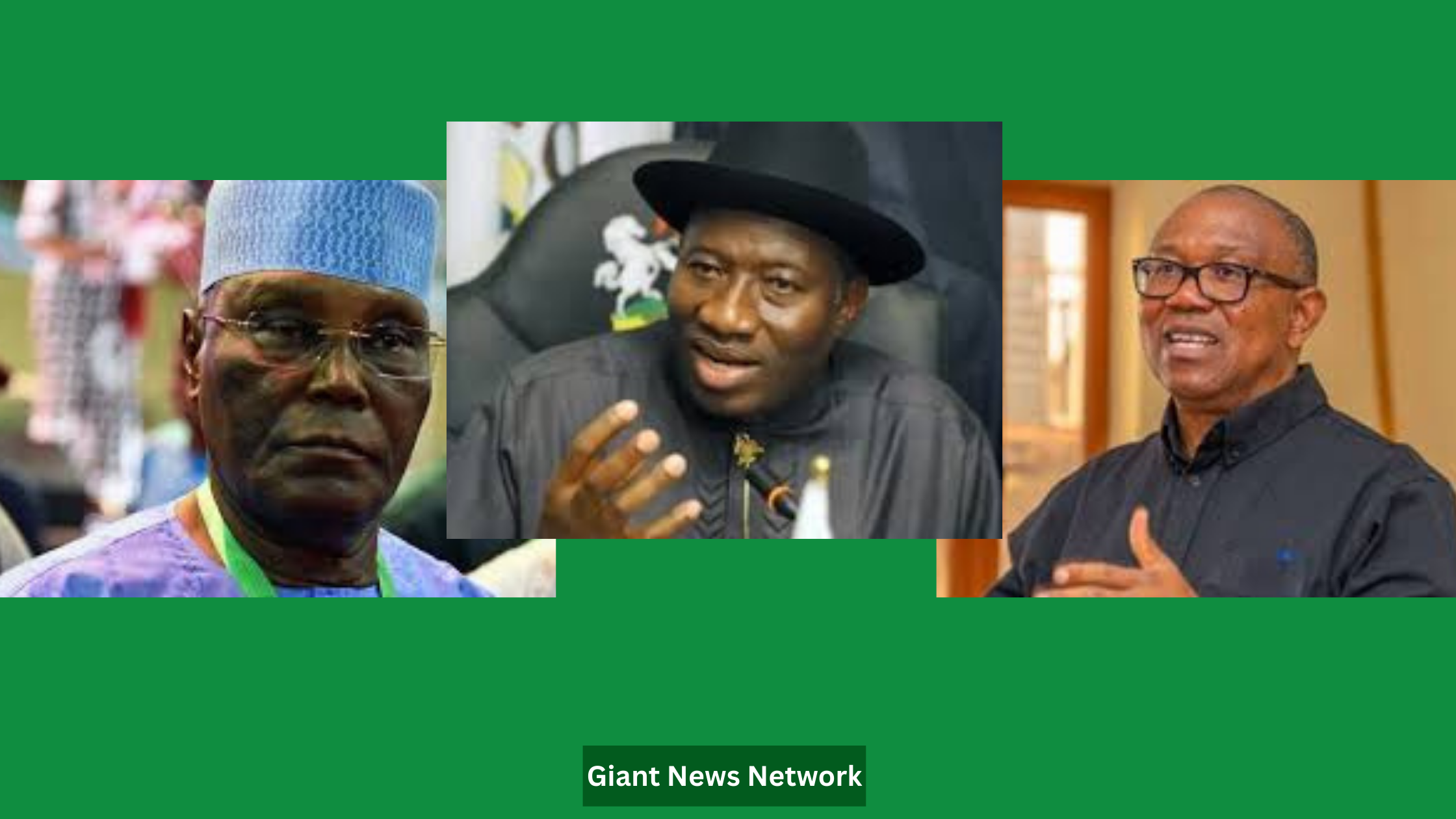
He also formally submitted this one‑term proposal to the newly forged ADC opposition coalition, which includes political heavyweights like Atiku Abubakar, Nasir El‑Rufai, and Rotimi Amaechi.
Presidency Fires Back
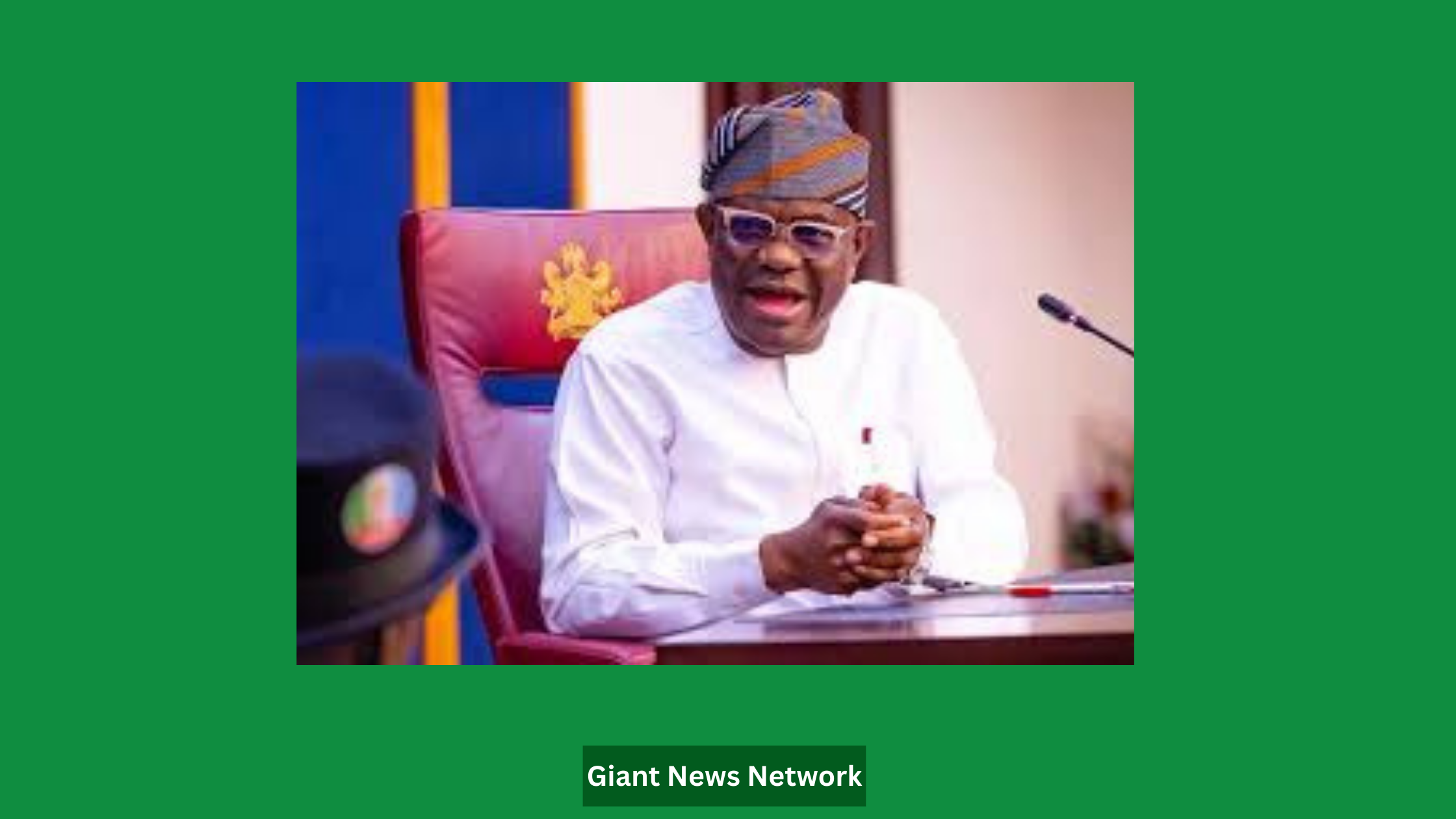
In response, Tinubu’s team delivered a scathing critique: Obi is inconsistent, dishonest, and unfit to govern. Presidential spokesman Bayo Onanuga accused Obi of misrepresentation, citing broken promises from his past—such as seeking a second term as Anambra governor and departing APGA despite prior assurances. “Peter Obi, the liar, is exposed again,” he declared.
Northern Hardliners Slam Obi
The Arewa Consultative Forum (ACF) rejected Obi’s one‑term pledge as nothing more than a political ploy. ACF leaders argued that the constitution allows for two terms—and no candidate is constitutionally bound to limit themselves.
Igbo Voices Turn Critical
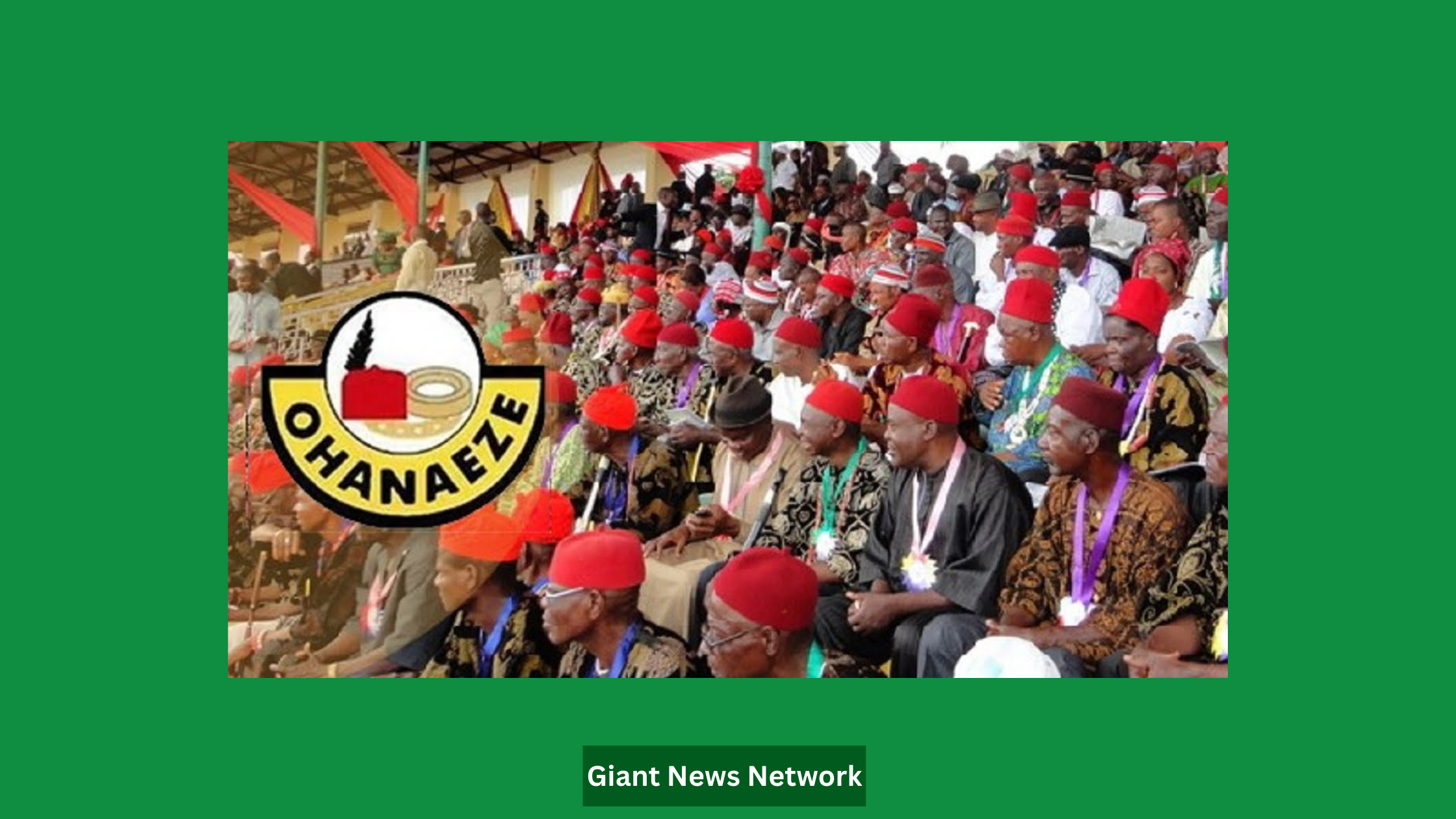
Even within Obi’s base, there’s dissent. A faction of Ohanaeze Ndigbo urged him to back Tinubu for a second term instead. They warned that Obi’s bid could backfire, rekindling the anger and ethnic fallout South‑East suffered in 2019 and 2023.
Analysis & Perspective
Trust vs Track Record: Obi positions himself as a moral reformer—championing a one‑term limit to reset confidence. Critics argue this rhetoric masks political survivalism. Onanuga contends that Obi’s history shows a pattern of broken promises, raising serious doubts about his sincerity and reliability.
Coalition Chessboard: Obi’s proposal is not just principle-driven—it is strategic. By offering a one‑term agreement, he positions himself as the principled choice in ADC, while appeasing northern fears of a lengthy Igbo presidency. Whether the coalition pulls in his direction remains uncertain.
Ethnic Fault Lines Resurface: This debate has reignited regional tensions. ACF’s outright rejection and Ohanaeze’s caution indicate fear of instability should Obi betray the unwritten power-sharing norms. For many Nigerians, the zoning debate still overshadows the message.
As the 2027 stretch approaches, Obi’s single-term vow has thrown the political arena into chaos. Is it a bold display of integrity—or political theatre aimed at gaining power? Tinubu’s administration says “liar”; Obi insists “agent of change”. The battle lines are drawn—soon, Nigerians will choose whose promise they believe.