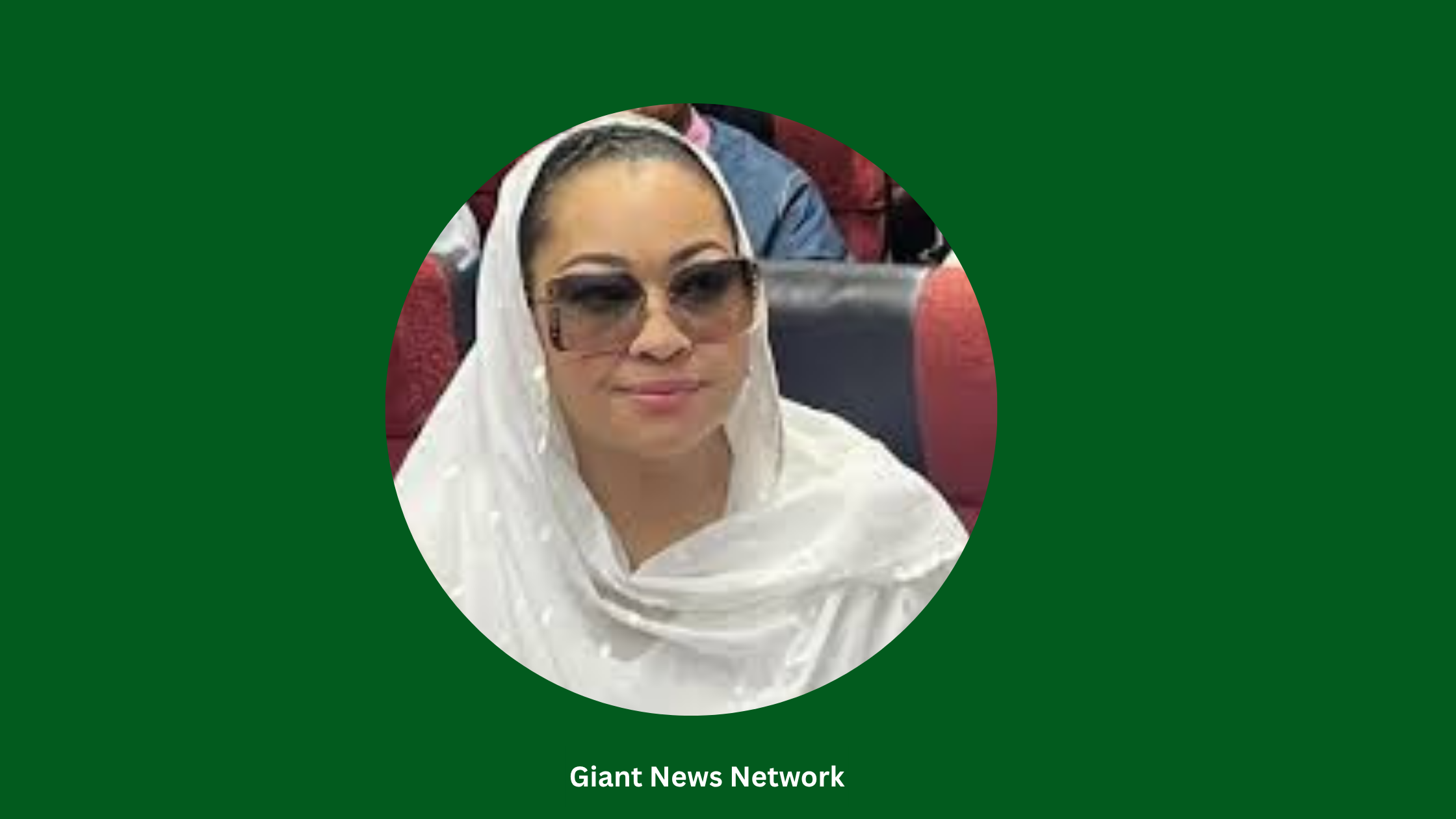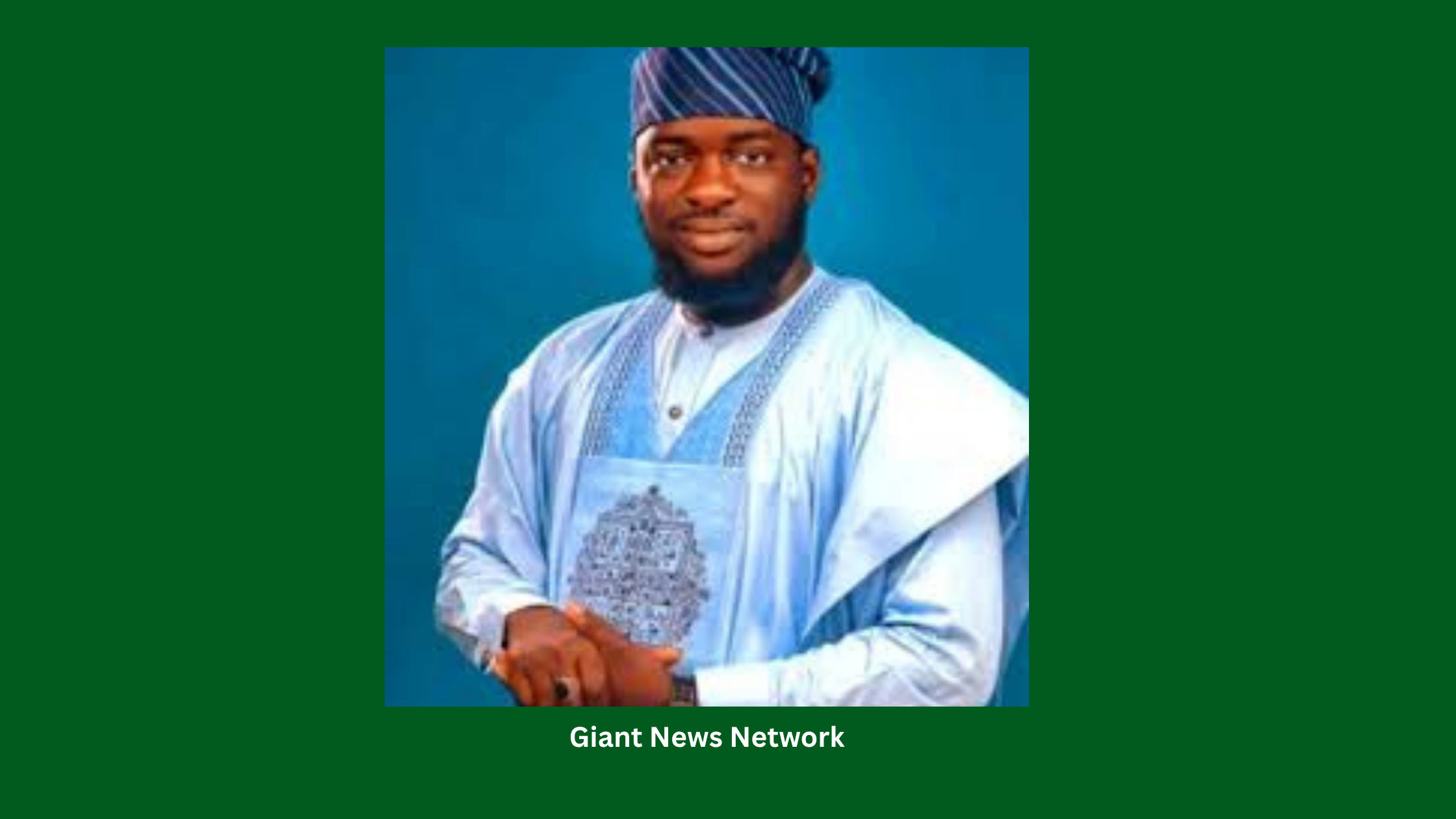
Nigerian media guru Dele Momodu has poured equal parts affection and fiery concern into a recent post targeting Kemi Badenoch, the UK Conservative Party leader. On August 5, 2025, Momodu wrote that while he “truly and genuinely love[s] MADAM KEMI for her personal accomplishments,” he “shudder[s]… at her unfortunate denigration of Nigeria at every opportunity,” and prayed: “May God almighty deliver her from whatever might have traumatized her so much while growing up in Nigeria…”
1. Context & Trigger
Kemi Badenoch recently described her time at a Federal Government Girls’ College in Sagamu as toxic, likening the boarding school experience to imprisonment—citing harsh conditions, poor sanitation, lack of water, and gruelling manual labour like cutting grass with machetes. This prompted Dele Momodu’s emotional reaction.
2. Historical Pattern of Nigerian-Bashing
Momodu’s reaction touches on what many critics view as a recurring pattern: Badenoch’s public remarks frequently paint Nigeria in a negative light. Observers across Nigeria—including religious figures like Archbishop Kaigama, and government officials—have attacked her rhetoric for reinforcing stereotypes and deepening ethnic and religious divides.
3. Official Rebuke from Abuja
Nigeria’s Vice-President Kashim Shettima condemned Badenoch on multiple occasions, contrasting her with Rishi Sunak, who, despite his Indian ancestry, never disparaged his homeland. Shettima bluntly suggested Badenoch could “remove the Kemi from her name” if she wanted to separate from Nigerian identity. Meanwhile, the Presidency issued a statement asserting that her remarks will have no impact on Nigeria, calling such criticisms of her country of origin “counterproductive”.
4. Underlying Roots of Trauma
Journalists and commentators suggest Badenoch’s harsh depictions stem from deeper childhood trauma. She spent formative years in Nigeria during a turbulent period marked by dictatorship, structural adjustment, and societal instability. This has been interpreted by some as shaping her current disdain—an emotional escape rather than constructive critique.
Background Story
- Badenoch spent her youth in Lagos and Sagamu amid economic collapse and governance failures—elements she later described as symptomatic of socialism, equating political promises with poverty and defeat, drawing a stark contrast with her life in the UK.
- Despite her Yoruba heritage, she has publicly distanced herself not only from Nigeria but sometimes from other Nigerian ethnic groups—remarking that she has nothing in common with people from the North due to perceived ideological differences.
- Critics accuse her of piggybacking on anti‑Nigeria sentiment to appeal to right‑wing British audiences—arguing she repeatedly denigrates her country while continuing to mention it.
Dele Momodu’s heartfelt, prayer-infused plea places the spotlight on Kemi Badenoch’s consistent negative portrayal of her country of birth. His message captures the frustration of many Nigerians who admire her personal success, yet recoil at her public narrative. As the story develops, any reconciliatory gestures or changes in tone from Badenoch would warrant immediate update.