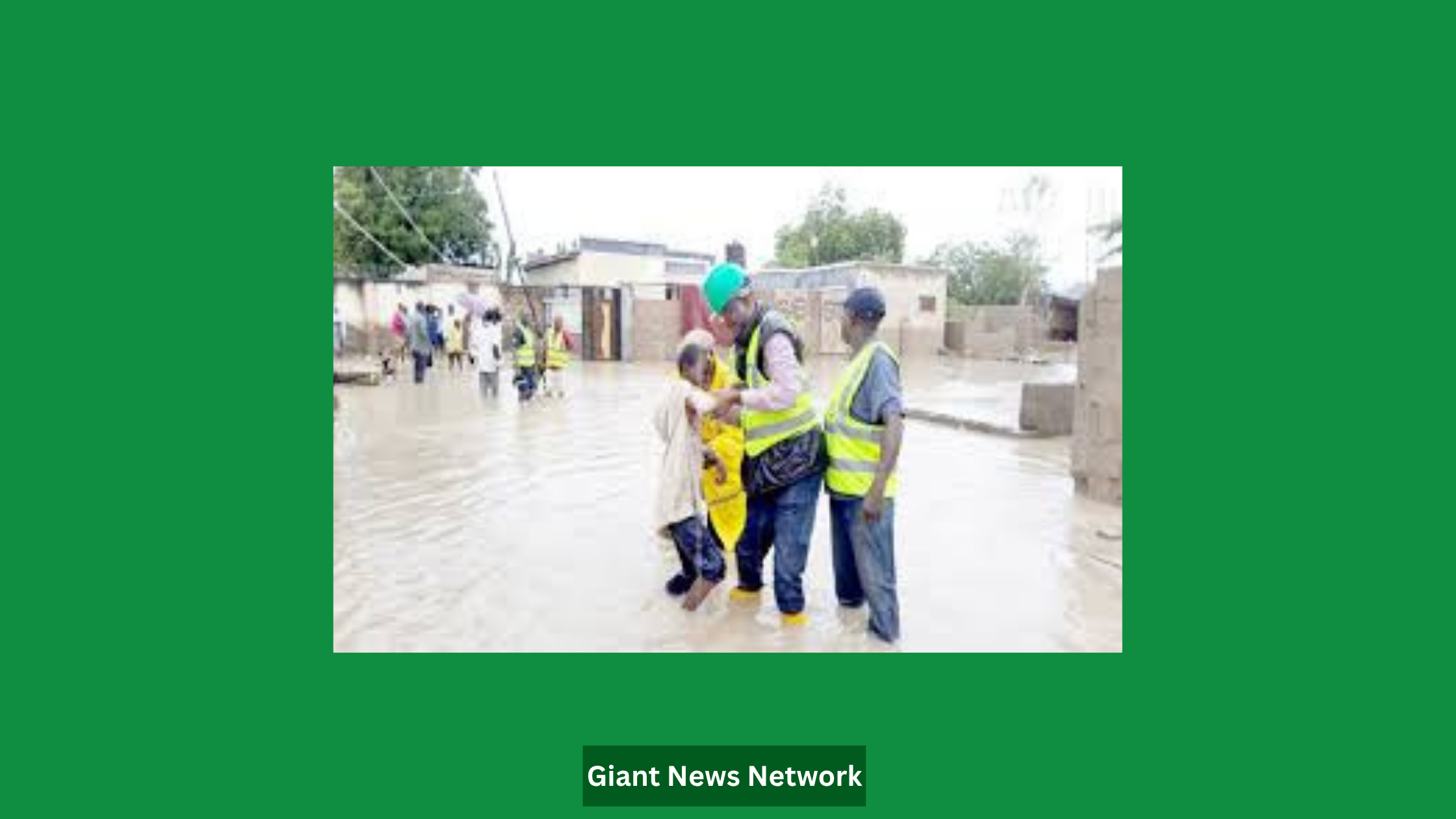
A catastrophic flood unleashed overnight on July 27, 2025 plunged communities in Yola South, Adamawa State into chaos, claiming lives and destroying homes. Residents in areas like Sabon Pegi, Shagari Phase 2, and Yoldepate narrate harrowing tales of neck-deep water, missing family members, and shattered dreams. But beyond the weather, accusations swirl: was this preventable negligence—and who bears the blame?
Flash Flood Disaster Hits at Dawn
Between 1 a.m. and 11 a.m. on Sunday, torrential rains triggered severe flooding in multiple communities in Yola South LGA. The waters rose so fast that residents were forced onto rooftops and even tree branches. Over 15 fatalities were confirmed, and dozens more remain missing. (turn0search27turn0search16turn0search9)
Local Hero Mr. Emmanuel Andrawus Jalo of Shagari Sabon Pegi described escaping at around 3:30 a.m.:
“We discovered water inside the house—windows level! We fled with children in arms. Entire rooms washed away.”
He blamed blocked drainages—homes built on water paths void of proper channeling—for exacerbating the flood. (turn0search14)turn0search25
Youth leader Charles Framinchi mourned his members: “I lost three young lives in the confusion,” he said, demanding restored drainage. (turn0search6)turn0search14
Climate Change and Poor Planning: A Fatal Mix
Adamawa State Deputy Governor Prof Kaletapwa Farauta visited the submerged zones and pledged government relief. She cited climate change and structural decay—particularly houses built across flood paths, blocking natural water flow—as twin culprits. “Water found no exit and reversed into homes,” she said. (turn0search3)turn0search16
Systemic Neglect: Infrastructure or Indifference?
This is not the first time Adamawa has been battered. In 2023 and 2024, millions were displaced, especially when the Kiri Dam overflowed its banks in Shelleng LGA, destroying homes and farmland. Up to 33 lives lost, over 12,000 people displaced, and schools and infrastructure ruined. (turn0search8)turn0search20turn0search4
Adamawa is also among the 33 states identified by NIHSMA as high-risk for floods in 2025. Yet drainage channels remain choked with debris and houses—a recurring recipe for disaster. (turn0search17)turn0search9
Was It a Preventable Catastrophe?
A local elder suggested:
“Government claimed to know flooding risk—but we see broken drains, half-built channels, and no evacuation plan.”
Others whisper that local officials knew about the forecast but denied relief to rival communities, creating “selective rescue zones.”
Flood Death Toll Underreported?
While officials confirm 15 dead, previous floods in Adamawa alone claimed over 33 lives and displaced thousands. Amid broken records, communities suspect the real toll—especially missing children and elderly—is still hidden.
The Mokwa flood in May 2025, which killed at least 500 people, serves as a brutal reminder of Nigeria’s broader crisis. Poor dam management, climate change, and unchecked urban sprawl have combined to create superstorms of human suffering. (turn0search29)turn0search5
From Cry for Help to Call for Accountability
Adamawa’s flood nightmare is both climatic and political. As deluge washes away lives and livelihoods, it also reveals systemic failures—poor planning, blocked infrastructure, and political opacity.
Is this tragedy a natural disaster—or the consequence of governance that abandons its vulnerable?
The victims demand action: rebuilt drainage, improved early warning systems, and genuine accountability—not just sympathy.
The clock is ticking. And for the flood victims, “climate change” is no longer theory—it’s the ruin of their homes and hopes.