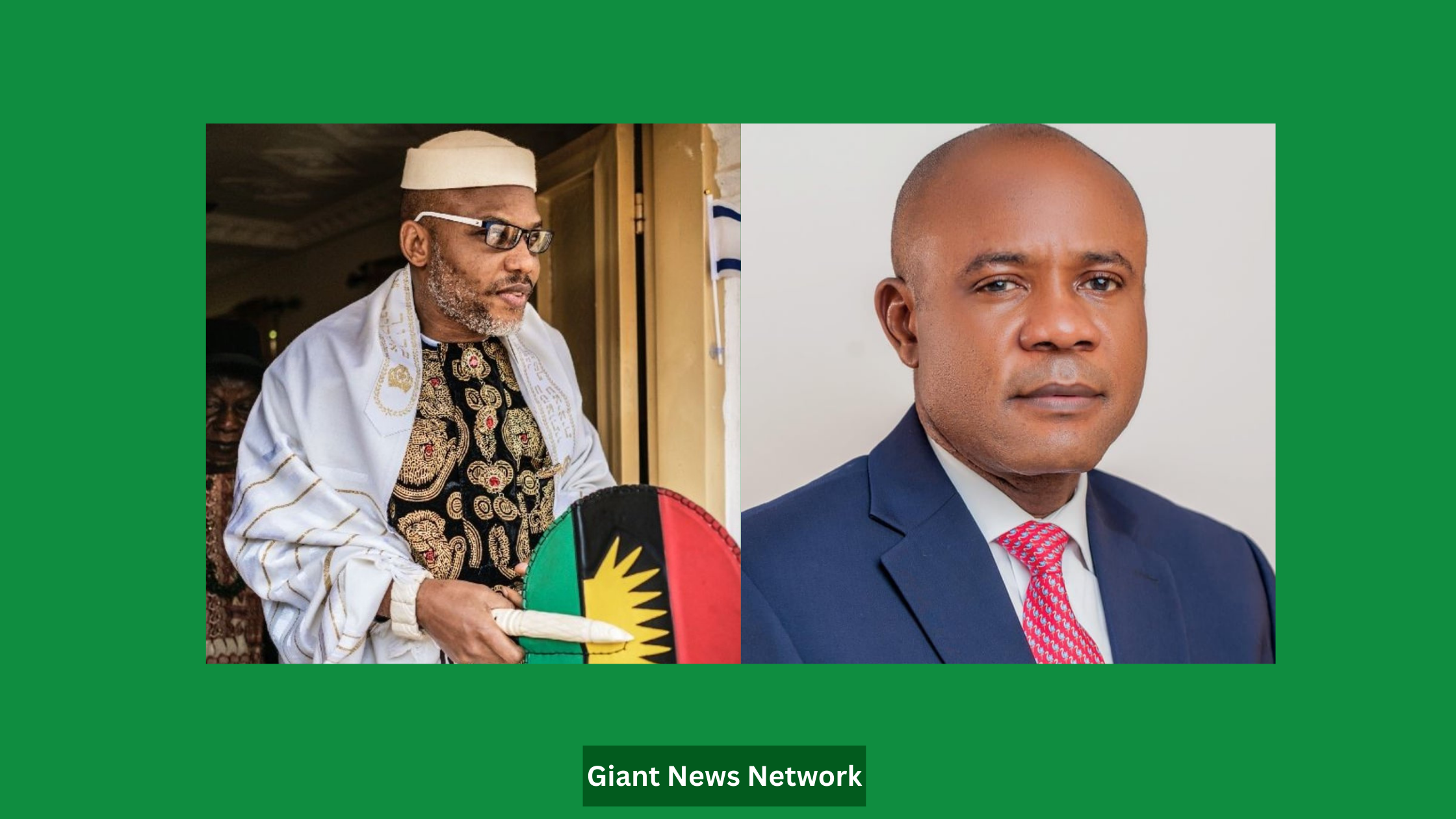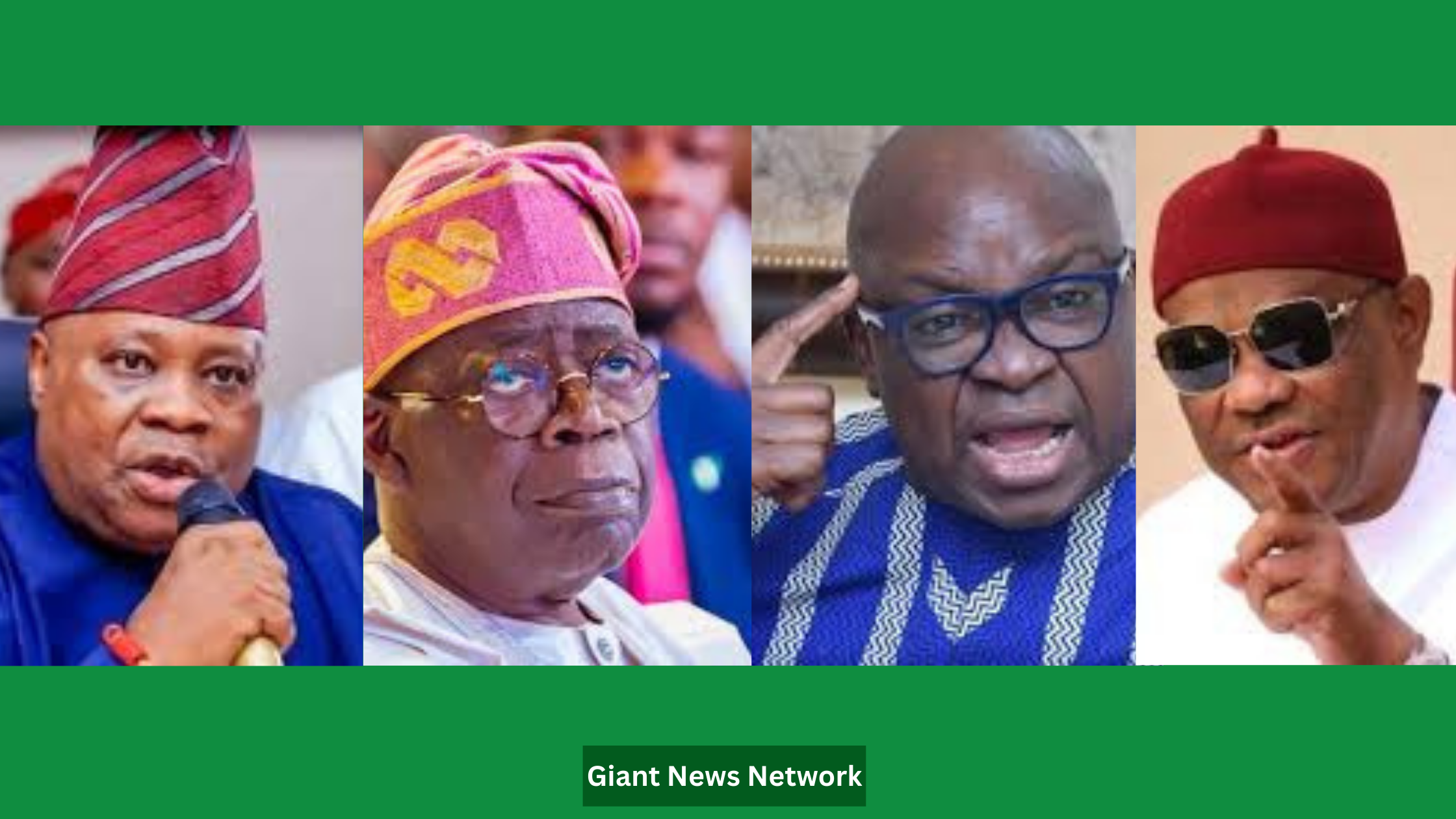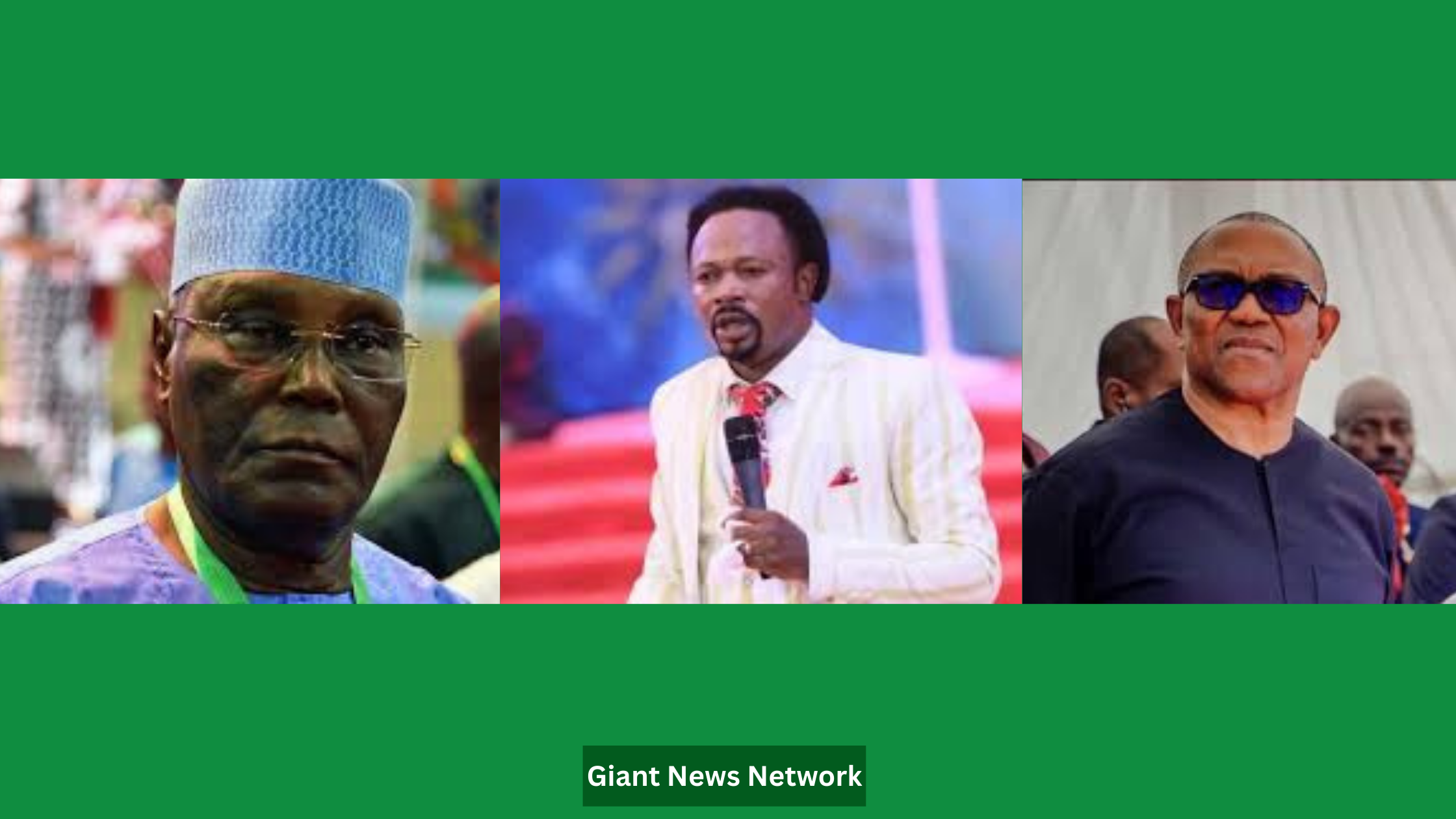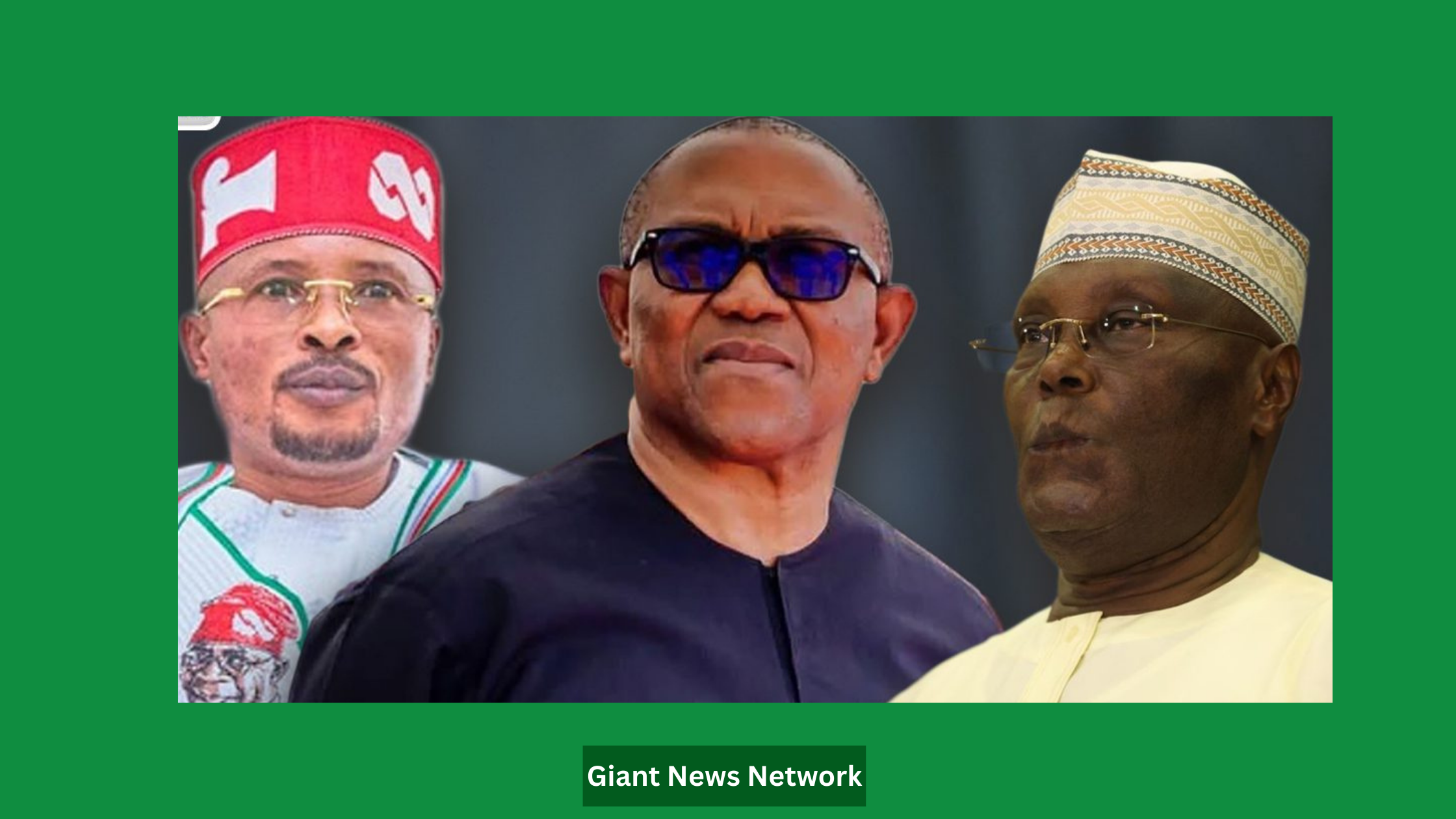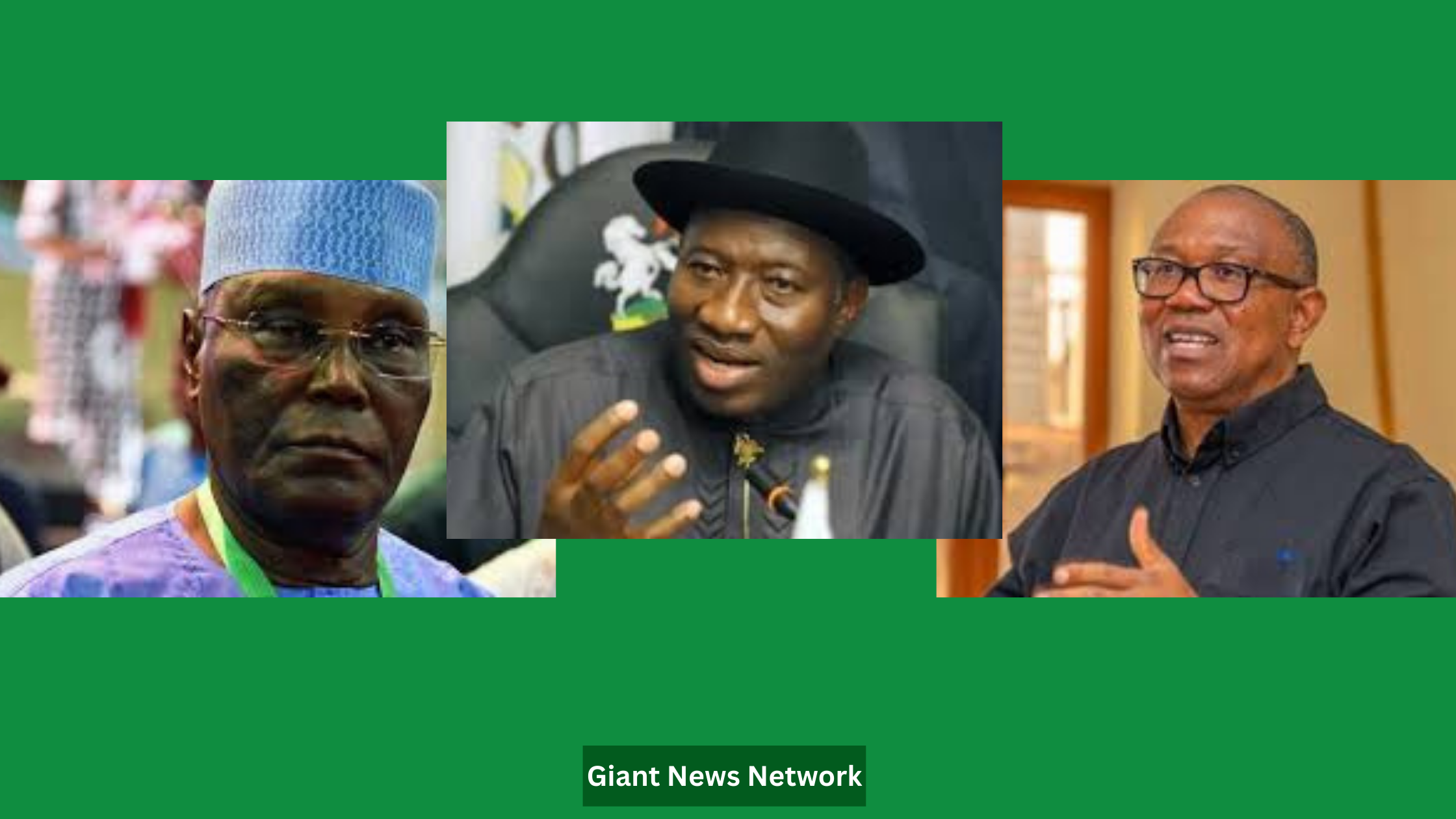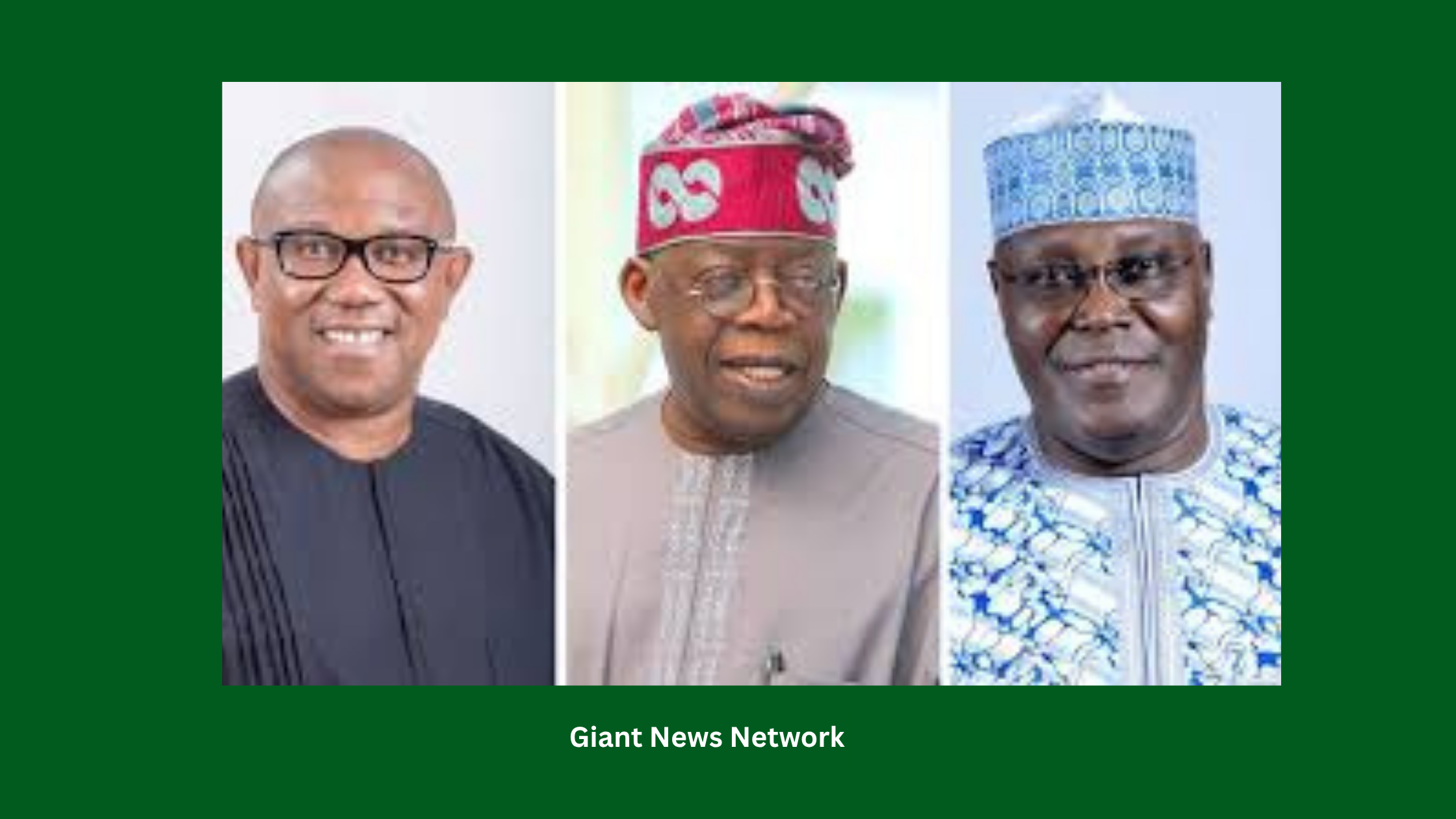
Former Vice President Atiku Abubakar, Labour Party’s 2023 flagbearer Peter Obi, and ex-Senate President David Mark have officially adopted the African Democratic Congress (ADC) as the platform to challenge President Bola Tinubu in the 2027 elections. The move was made public during a grand unveiling ceremony at the Yar’Adua Centre in Abuja.
In what many are calling the boldest attempt yet to forge a united opposition, a high-powered coalition of political heavyweights across party lines announced a new front under the ADC to oust the ruling All Progressives Congress (APC). David Mark was named interim National Chairman, while former Osun Governor Rauf Aregbesola assumed the role of interim Secretary.
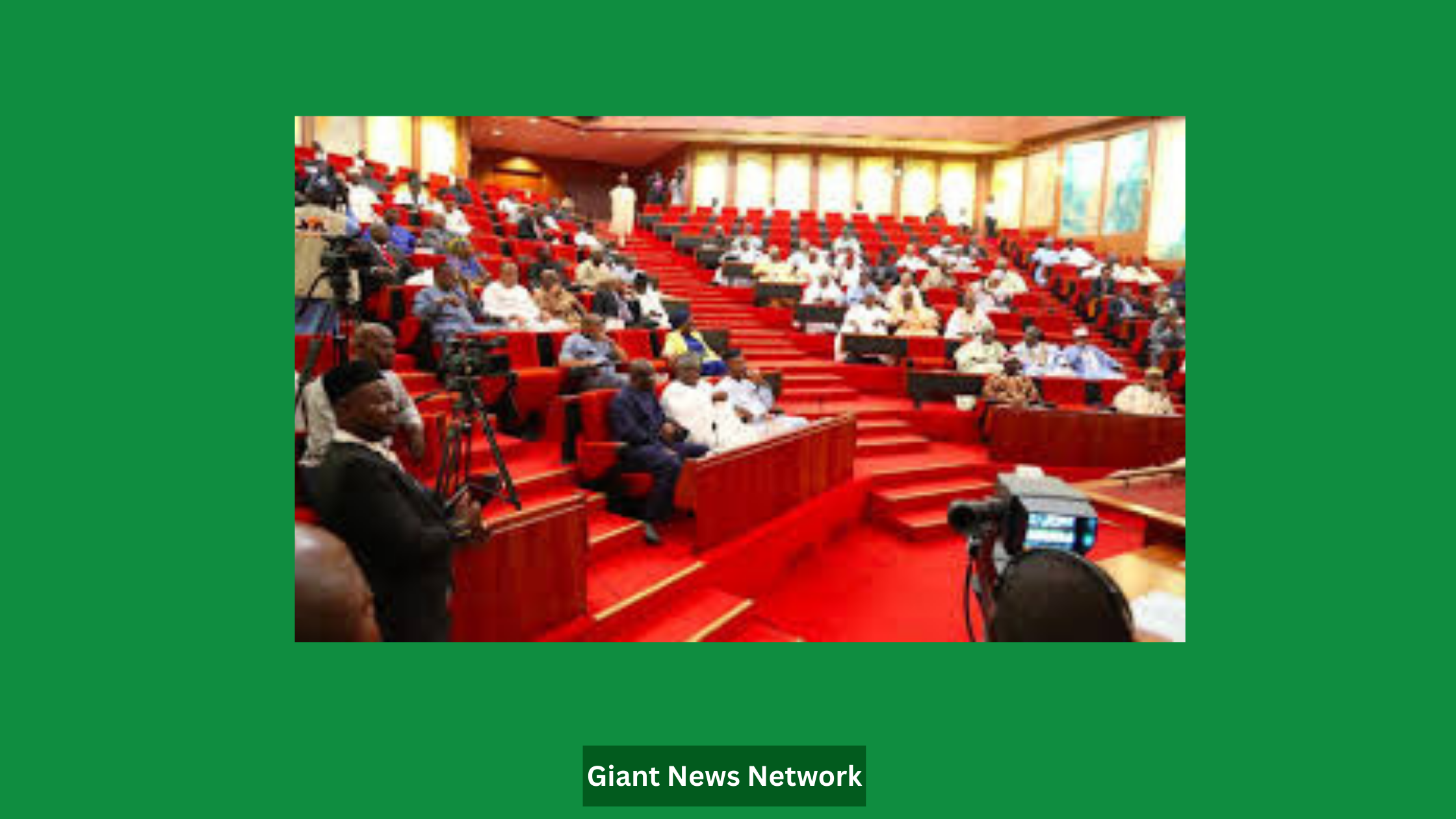
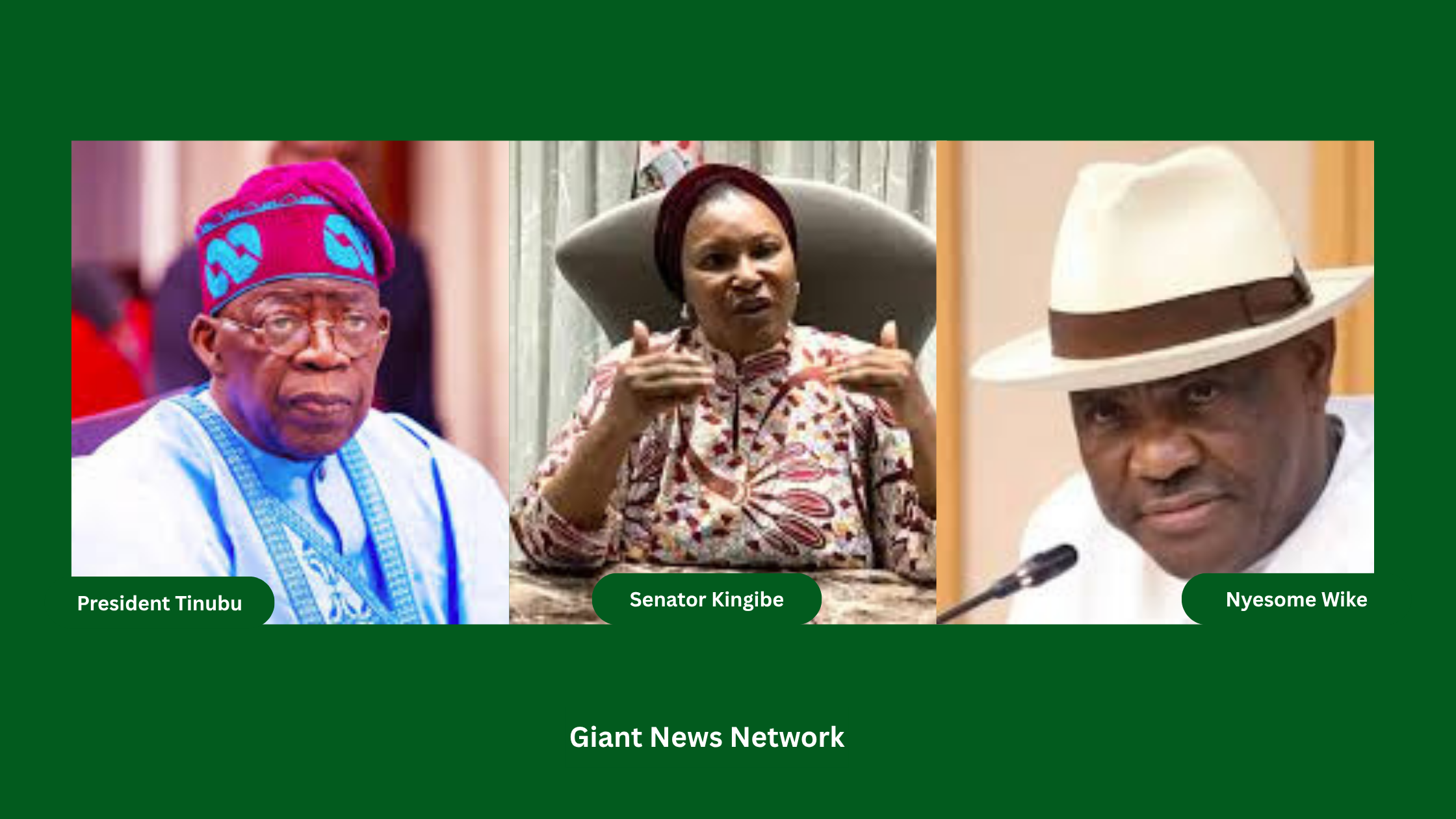
Mark set the tone with a fiery speech, describing the coalition as a battle to save Nigeria from sliding into what he termed “a full-blown civilian dictatorship.” He accused Tinubu’s administration of weaponizing poverty, silencing the legislature, infiltrating opposition parties, and turning governance into a political power game.
“Governance has been abandoned, while citizens wallow in hunger and fear,” Mark declared. He warned that the growing insecurity, daily bloodshed, and economic collapse were symptoms of an administration more obsessed with elections than the people.
Adding fuel to the fire, former Minister of Transport, Rotimi Amaechi, announced his resignation from the APC, stating, “Nigeria is destroyed. People can’t buy food. Everything is gone.” He called for not just a political change, but a citizen-led movement to rescue the nation.
But this coalition has not come without resistance.
ADC’s 2023 presidential candidate, Dumebi Kachikwu, launched a scathing critique, branding the coalition leaders as “geriatrics shopping for a platform to continue their ‘chopping’ agenda.” He questioned the sincerity of politicians who, in his words, “ruined Nigeria for decades and now claim to be its saviors.”
Similarly, a group of party executives under the banner of “Concerned Stakeholders of the ADC” rejected Aregbesola’s appointment, describing it as unconstitutional and lacking broad consensus. They decried what they see as a hijack of the party.
But founding National Chairman, Ralph Nwosu, dismissed their concerns. He affirmed that the old guard had willingly stepped aside to give room for Mark and Aregbesola to reposition the party and the nation, stating, “We are ready to sacrifice anything for Nigeria.”
Meanwhile, the Peoples Democratic Party (PDP) finds itself in a crisis of identity. While its acting National Chairman, Umar Damagum, insists the party remains united and distances itself from the ADC-led coalition, several top PDP figures, including Atiku and Sule Lamido, are actively backing the movement.
“We are drawing a line,” Damagum warned, signaling future disciplinary actions against members fraternizing with the ADC coalition. He maintained that the PDP has mastered the art of resolving its internal conflicts and will not allow itself to be swallowed by any external agenda.
The All Progressives Congress, on its part, remains unshaken.
APC Publicity Director, Bala Ibrahim, described the coalition as “a retirement home for failed politicians,” dismissing their plans as irrelevant and outdated. “These are the very people who got Nigeria into this mess. Nigerians won’t give them another chance. They’ll be defeated again in 2027,” he said.
As Nigeria edges closer to the 2027 elections, the political chessboard is already shifting. With a united opposition under the ADC banner, internal party fractures, and rising public discontent, the next two years promise to test the strength of Tinubu’s incumbency and the credibility of those hoping to replace him.
But one thing is clear: the road to 2027 will be anything but quiet.