Following the death of former President Muhammadu Buhari in London on July 13, 2025, attention has returned to his long-standing practice of seeking medical treatment abroad—a decision defended by his former media aide but criticised by many Nigerians calling for a stronger domestic health system.
Adesina: Buhari’s London treatments weren’t new
Femi Adesina, Buhari’s media adviser, stressed that the former president’s trips to Britain for medical reasons began even before his presidency. He argued that “one needs to be alive before proving a point,” implying that travelling abroad was necessary for Buhari’s survival due to inadequate local care
Public backlash: “Fix our healthcare!”
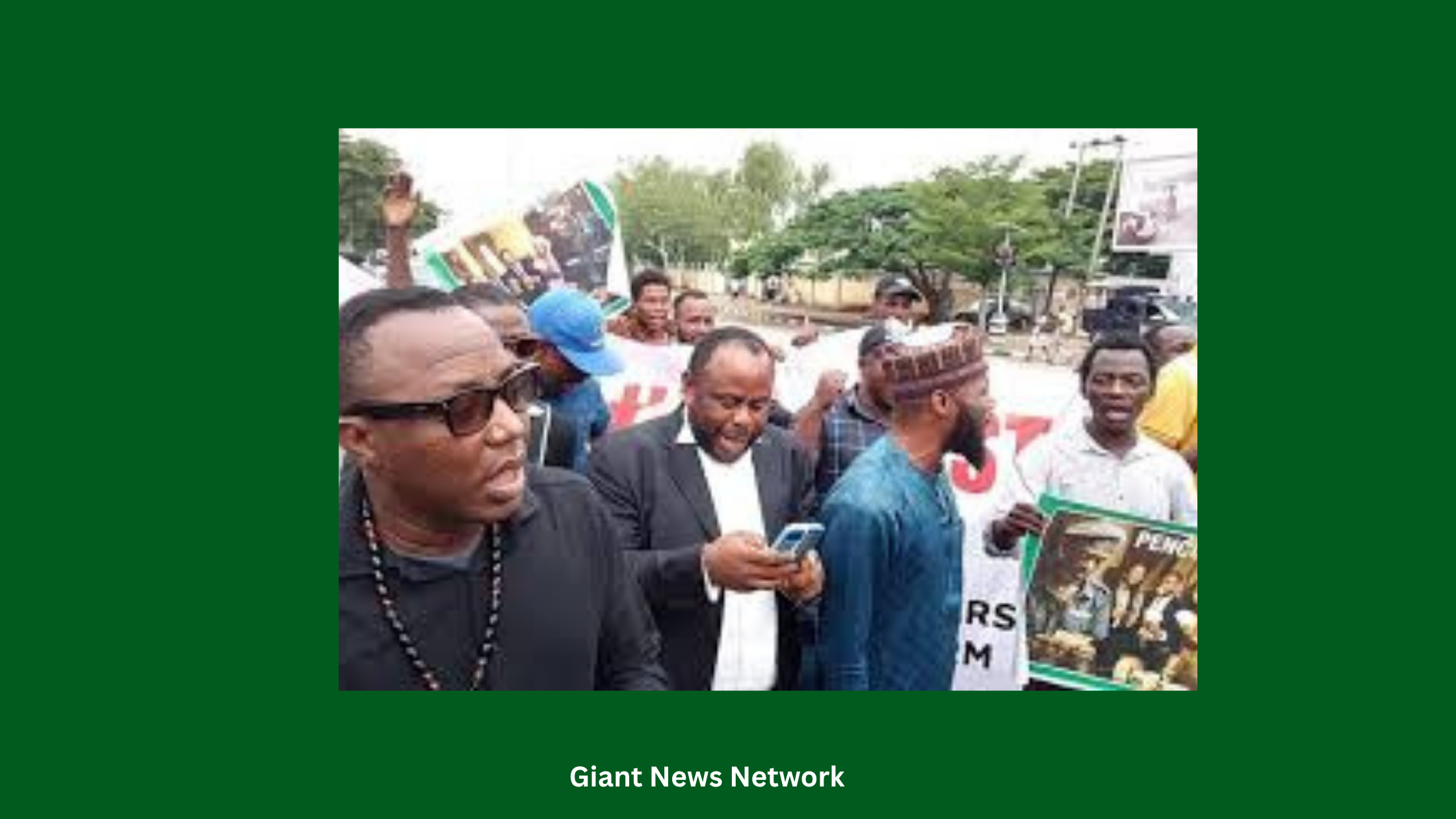
But Nigerians have voiced strong objections. Critics argue Buhari’s medical travels were a betrayal of his pledge to end “medical tourism.” In 2016, health experts condemned his UK trip for an ear infection as a missed opportunity to improve Nigeria’s ENT services—warning it undermined trust in homegrown healthcare. Online, Nigerians called the frequent travels a distortion of national priorities and urged current leaders to focus on strengthening hospitals at home.
Long-standing concerns over healthcare neglect
Experts have pointed out that Nigeria routinely spends below 5% of its budget on health—far short of the 15% target agreed by African Union members in 2001. This chronic underfunding extends to mental health and cancer care services, creating a stark contrast with the advanced facilities Presidents like Buhari favoured abroad.
The central dilemma: Realism or responsibility?
Adesina’s defence raises a key debate: Should leaders rely on foreign facilities when the local system can’t guarantee their safety? While some see it as pragmatic self-preservation, many Nigerians view it as a moral failure—arguing that only when leaders use local hospitals will meaningful health reforms follow.
What comes next?
Buhari’s UK death has reignited public demands for urgent health system overhauls. Civil society groups are calling for:
- Expanded budget allocation to health.
- Infrastructure upgrades—especially in diagnostics and emergency care.
- Policies discouraging foreign medical tourism by government officials.
- Greater transparency in presidential and state-level health spending.
Whether Adesina’s defence sways public opinion is uncertain—but the debate over prioritising domestic versus international care is likely to shape Nigeria’s healthcare agenda for years to come.