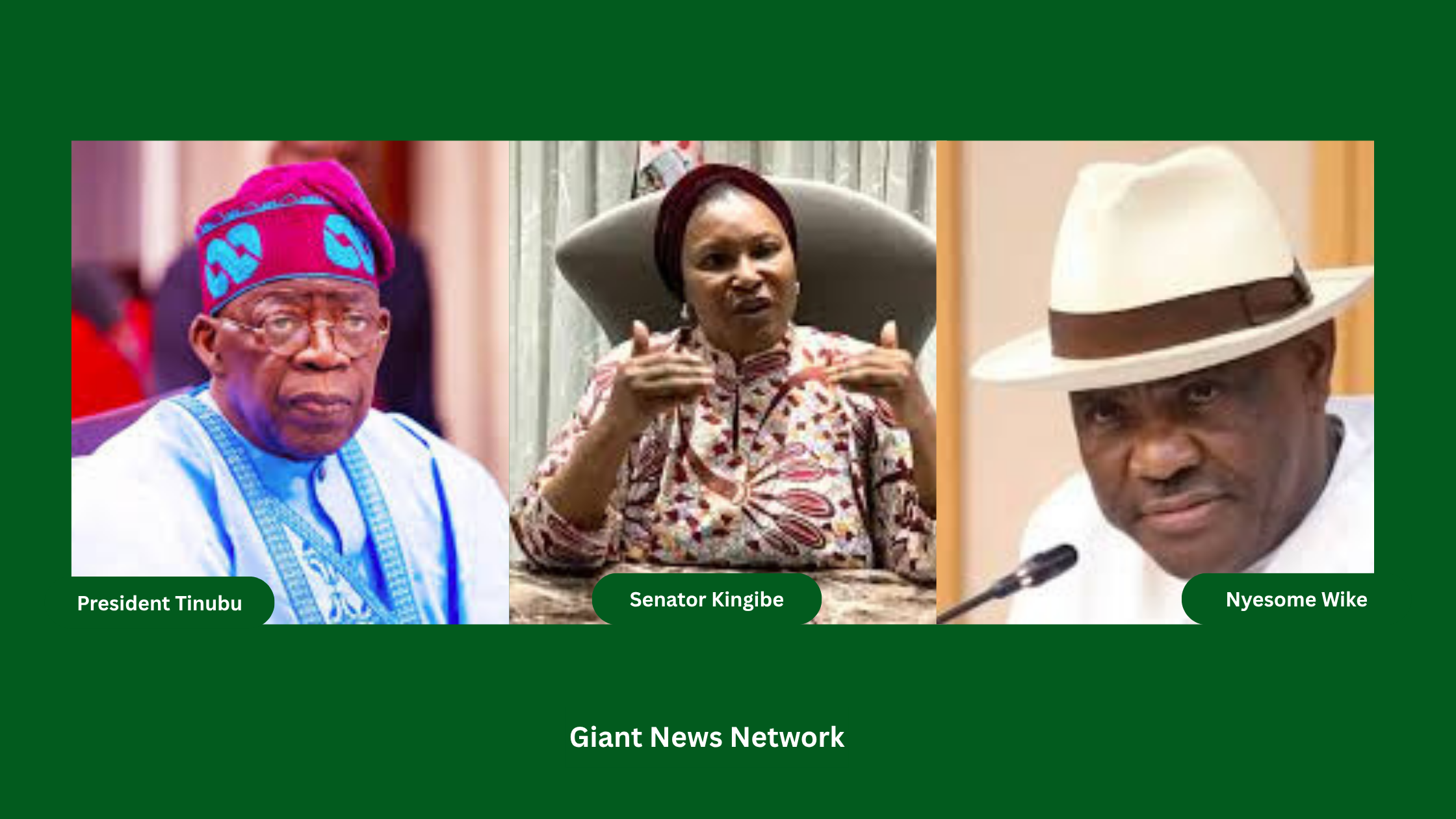
📍Abuja, Nigeria | June 12, 2025 – As Nigeria marks its 26th Democracy Day, what should have been a celebration of democratic resilience has morphed into a boiling pot of nationwide unrest. Protesters under the banner of the Take It Back Movement have vowed to take to the streets in at least 20 states, demanding an end to what they call “two years of misrule, hardship, and insecurity” under President Bola Tinubu’s administration.
With Tinubu set to address a joint session of the National Assembly today, replacing the earlier scheduled national broadcast, tensions are at a fever pitch as demonstrators and security forces prepare for what could become a volatile showdown.
Juwon Sanyaolu, National Coordinator of the Take It Back Movement, confirmed that the protests will go on, despite alleged harassment and arrests of organisers across Lagos, Gombe, Bauchi, Edo, and Cross River States.
“We are not deterred,” Sanyaolu said. “Nigerians have nothing to lose. The worst has already happened. All that remains are our chains.”
According to protest organisers, demonstrations will kick off in major cities such as Abuja, Lagos, Ibadan, Osogbo, Benin City, and Damaturu, with thousands expected to mobilise.
Locations Include:
- Abuja: Eagle Square, 8:00 AM
- Lagos: Badagry, Maryland, Agbara, Toll Gate, from 7:00 AM
- Osun: Olaiya Junction, Osogbo
- Edo: Museum Ground (Benin) & Jattu Junction (Auchi)
- Oyo: Mokola Roundabout, Ibadan
Police and civil defence corps across the country have stepped up deployments, warning against any attempts to hijack peaceful demonstrations. However, multiple reports suggest clashes may be imminent.
The Force Public Relations Officer referred press inquiries to FCT spokesperson Josephine Adeh, who has remained tight-lipped. Meanwhile, police in several states, including Bauchi and Delta, acknowledged they were in “engagement” with organisers—though some claim they were not officially notified.
The Nigeria Security and Civil Defence Corps (NSCDC) confirmed deployment of rapid response units and riot control squads in volatile states, with Sokoto banning drones, fireworks, and other disruptive tools entirely.
“Any attempt to disrupt public peace will be met with the full extent of the law,” vowed Bauchi State Commissioner of Police, Sani-Omolori Aliyu.
In Lagos, the Nigerian Bar Association (NBA) stepped in to remind security forces of their legal obligation under the Police Act to provide security for peaceful rallies. A formal letter was sent urging the Commissioner of Police to uphold the protesters’ constitutional rights.
“This is a democratic state, not a police state,” wrote NBA Ikeja’s Human Rights Committee.
Protest leaders claim they are being “hounded” by state agents. In Bauchi, the police invited Take It Back coordinators for a “dialogue” that protesters rejected outright, saying “Now is not the time to befriend the police.”
In contrast, Kano and Kwara States have chosen non-confrontational paths. Pro-democracy groups in Kano are hosting public lectures instead of taking to the streets, citing fear of violence and political hijacking.
“Kano is already volatile. We won’t allow our message to be twisted or turned into chaos,” said activist Umar Ibrahim.
Similarly, in Kwara, civil rights groups are opting for workshops and capacity-building events, while security remains on high alert across Ilorin.
The protests are a crescendo of months-long discontent over:
- Soaring inflation and food prices
- Rising unemployment and underfunded education
- Persistent security challenges and mass killings
- Perceived government indifference to hardship
Activists say Tinubu’s reforms—including fuel subsidy removal and floating of the naira—have only deepened poverty.
“We are at breaking point,” said Michael Adenola, the FCT director of protest mobilisation. “We’re asking Tinubu to look Nigerians in the eye and say this is the democracy we fought for.”
With citizens mobilising and the government tightening its grip, all eyes are on the National Assembly where Tinubu is expected to deliver a speech that may define his presidency. Will he acknowledge the turmoil in the streets, or will today mark a deeper divide between the rulers and the ruled?
As Democracy Day unfolds, so does a crucial test of Nigeria’s democratic fabric. Will protesters be heard, or silenced? Will the government listen, or resist? And above all, will the streets remain peaceful?
Stay tuned for updates as the situation develops across the country.