After months of political turbulence, President Bola Tinubu has reportedly sealed a high-stakes peace deal that may soon see the suspended Governor of Rivers State, Siminalayi Fubara, reinstated—alongside members of the State House of Assembly. But while peace may be returning to Rivers, it comes with heavy political concessions that could strip Fubara of real power.
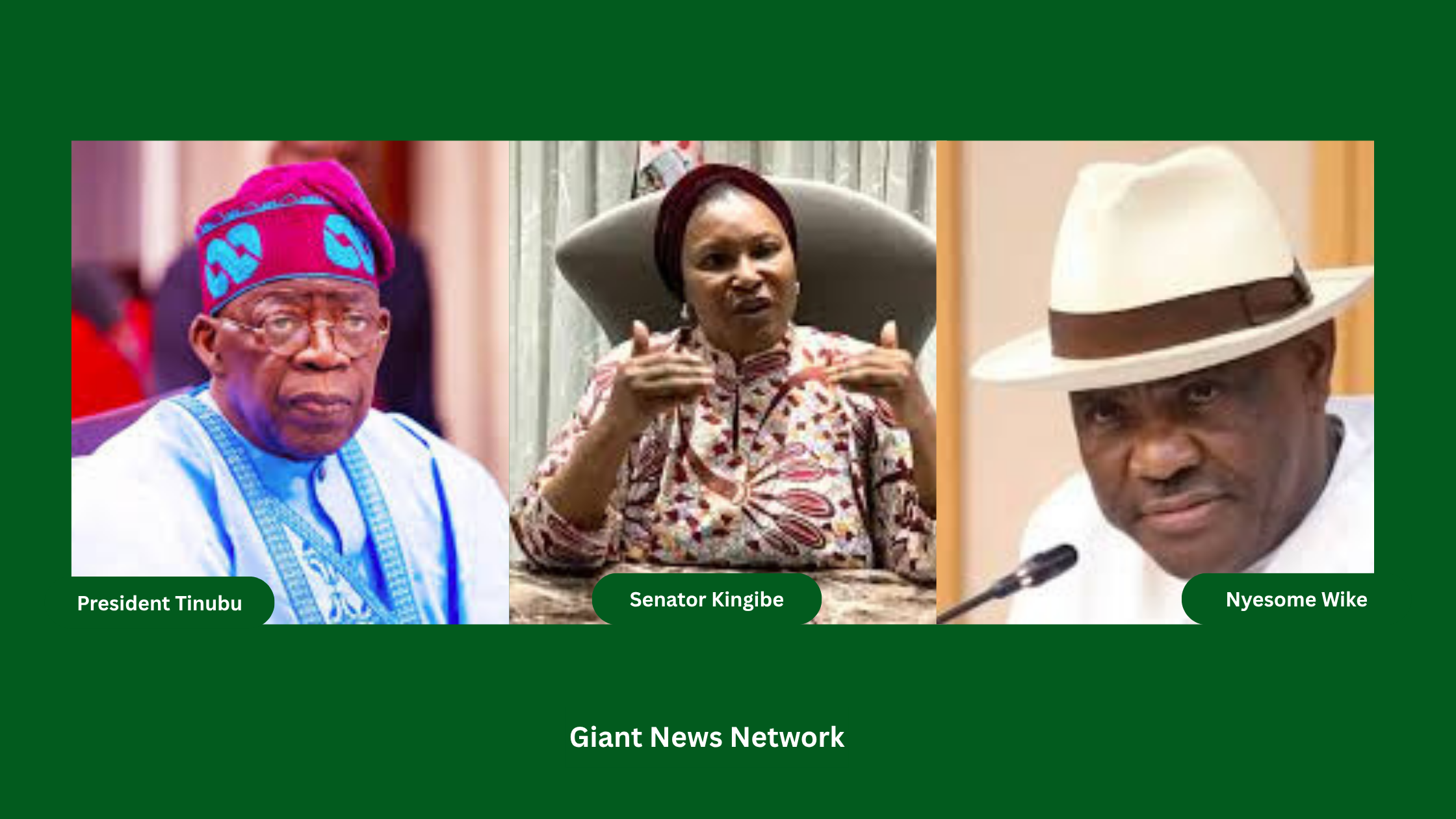
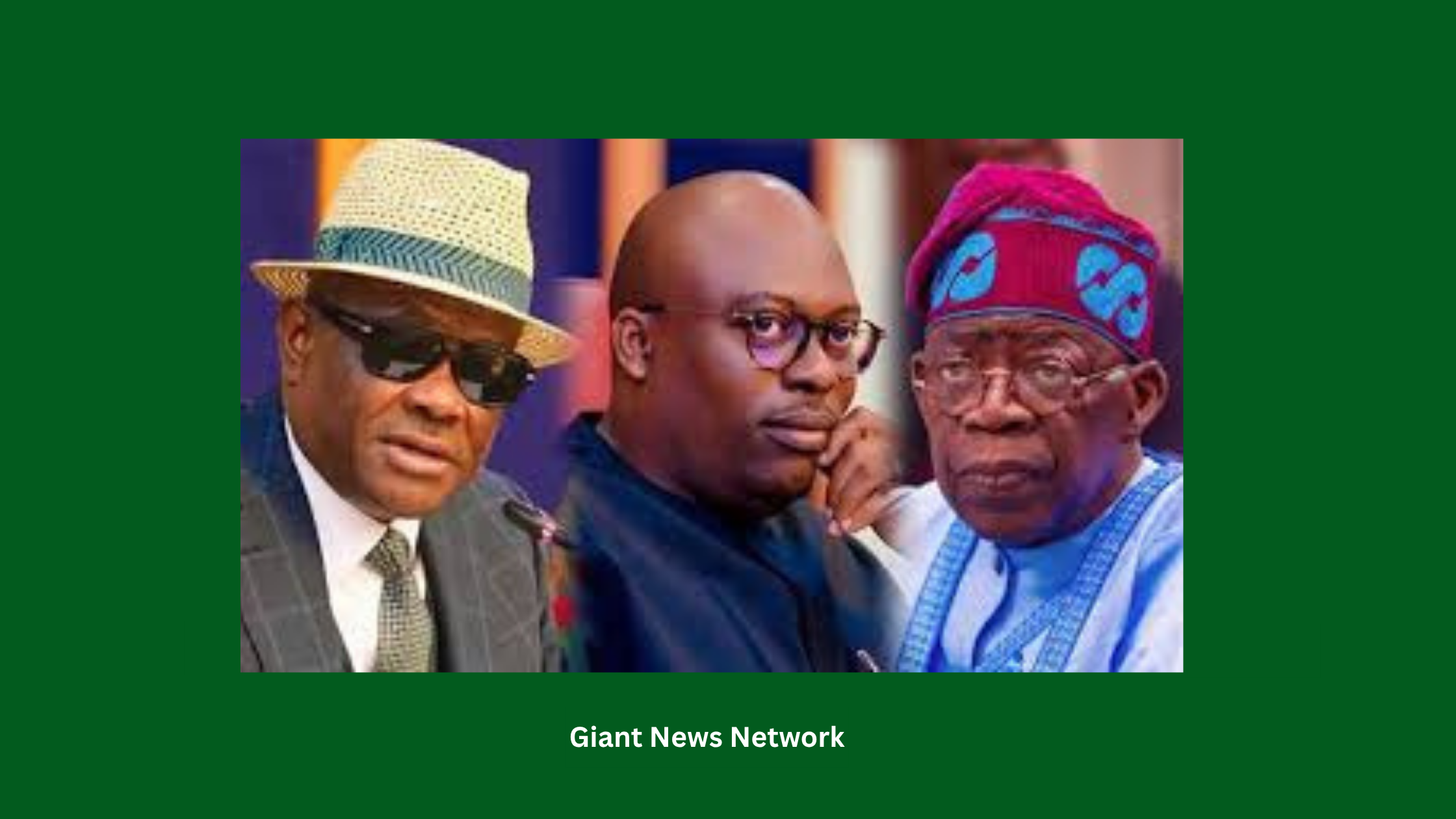
The crisis that has rocked Rivers State since October 2023—pitting Governor Fubara against his political godfather, now FCT Minister Nyesom Wike—may finally be heading toward resolution. According to insiders at the Presidential Villa, Tinubu is preparing to restore Fubara and the lawmakers before the end of July, months ahead of the state of emergency’s expected September expiry.
This move follows a crucial closed-door meeting on Thursday night, June 27, at the Presidential Villa in Abuja. In attendance were Fubara, Wike, the suspended Speaker Martin Amaewhule, and several key lawmakers.
Back in March 2025, Tinubu took the unprecedented step of suspending Fubara, his deputy, and the entire State House of Assembly, citing growing insecurity and pipeline sabotage. The root of the crisis, however, lies in the broken relationship between Fubara and Wike over political control of the state.
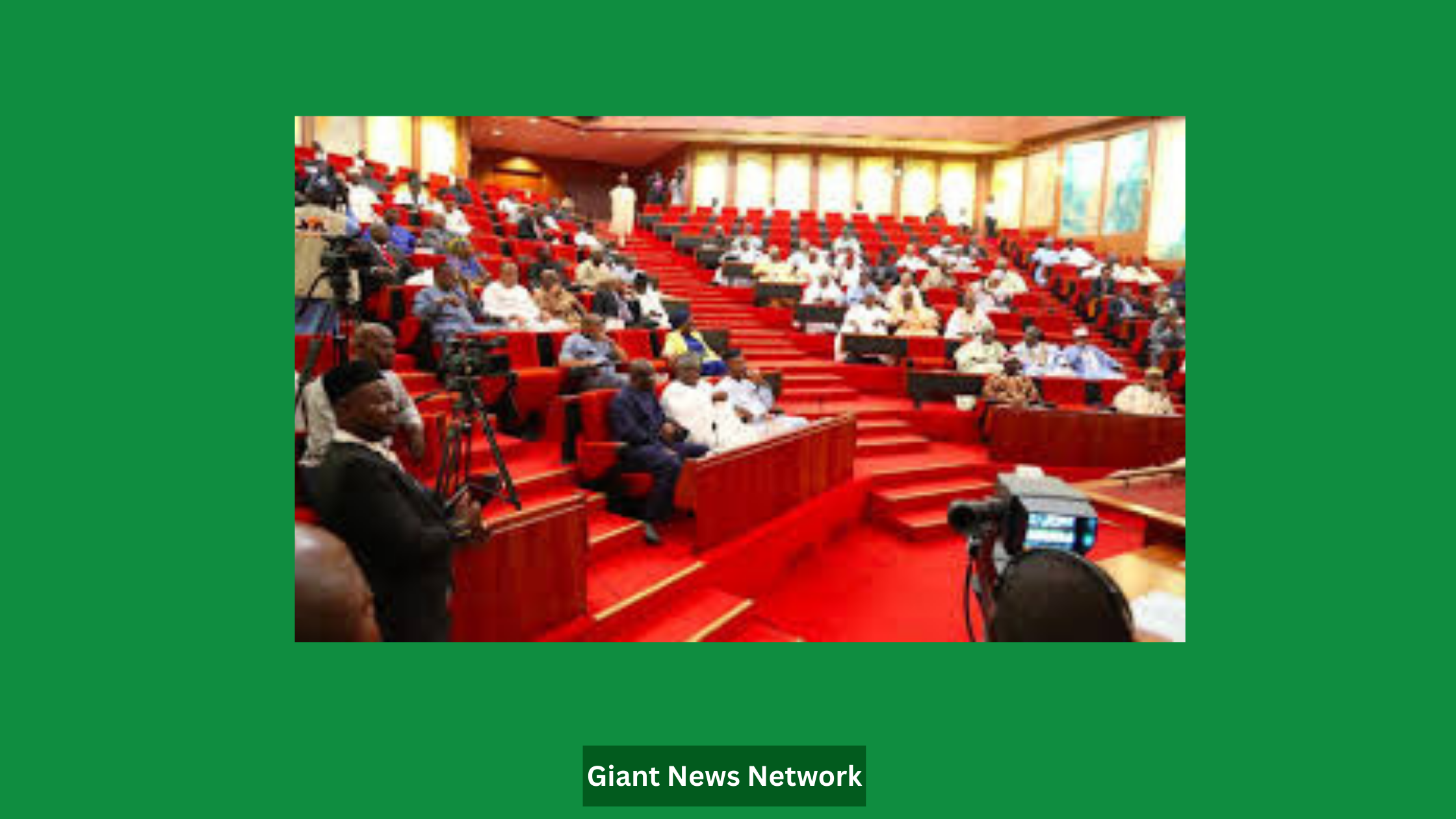
In response to the power tussle, the Rivers Assembly—dominated by Wike loyalists—moved to impeach Fubara. The standoff led to arson attacks, bombings, and bitter court battles that divided the state’s political fabric.
But now, with both men publicly exchanging pleasantries and riding together after the Villa meeting, it seems Tinubu’s peace efforts have finally gained traction.
But peace comes at a price. According to insider sources:
- Fubara will not seek a second term in 2027.
- Control of all 23 Local Government Areas will be handed over to Wike.
- Fubara has agreed to pay all entitlements owed to the 27 pro-Wike lawmakers.
- His core political support groups, including the ‘Simplified Movement’, have been dissolved.
Despite these conditions, a presidency source denied that Fubara was asked to resign. “There are terms to every conflict resolution. But no one asked him to step down,” the source clarified.
The Supreme Court had earlier reinstated the pro-Wike lawmakers and nullified the controversial LGA elections conducted by Fubara’s camp. The Assembly then gave him a 48-hour ultimatum to re-present the budget—but he was denied access to the Assembly premises.
In March, the situation reached boiling point when the Assembly served impeachment notices to Fubara and his deputy. This prompted Tinubu’s emergency declaration, placing Vice Admiral Ibok-Ete Ibas (retd.) in charge of the state.
According to multiple credible sources:
- President Tinubu is expected to formally announce Fubara’s reinstatement after returning from Saint Lucia and Brazil.
- The reconciliation deal has effectively restored Wike’s grip on Rivers politics.
- Fubara, though technically returning as governor, will have to govern within tight political boundaries.
Wike confirmed the truce, saying: “We’re members of the same political family. Disagreements happen, but we’ve resolved it.”
Fubara also addressed the press after the Villa meeting, saying: “Peace has returned to Rivers. We’ll do all we can to sustain it.”
As Tinubu prepares to make a formal announcement, all eyes remain on Rivers State. The return of Fubara signals a new chapter—but whether it represents true reconciliation or a political compromise remains to be seen.
Watch this space as the July reinstatement unfolds—and whether Fubara will remain a governor in title, but not in power.