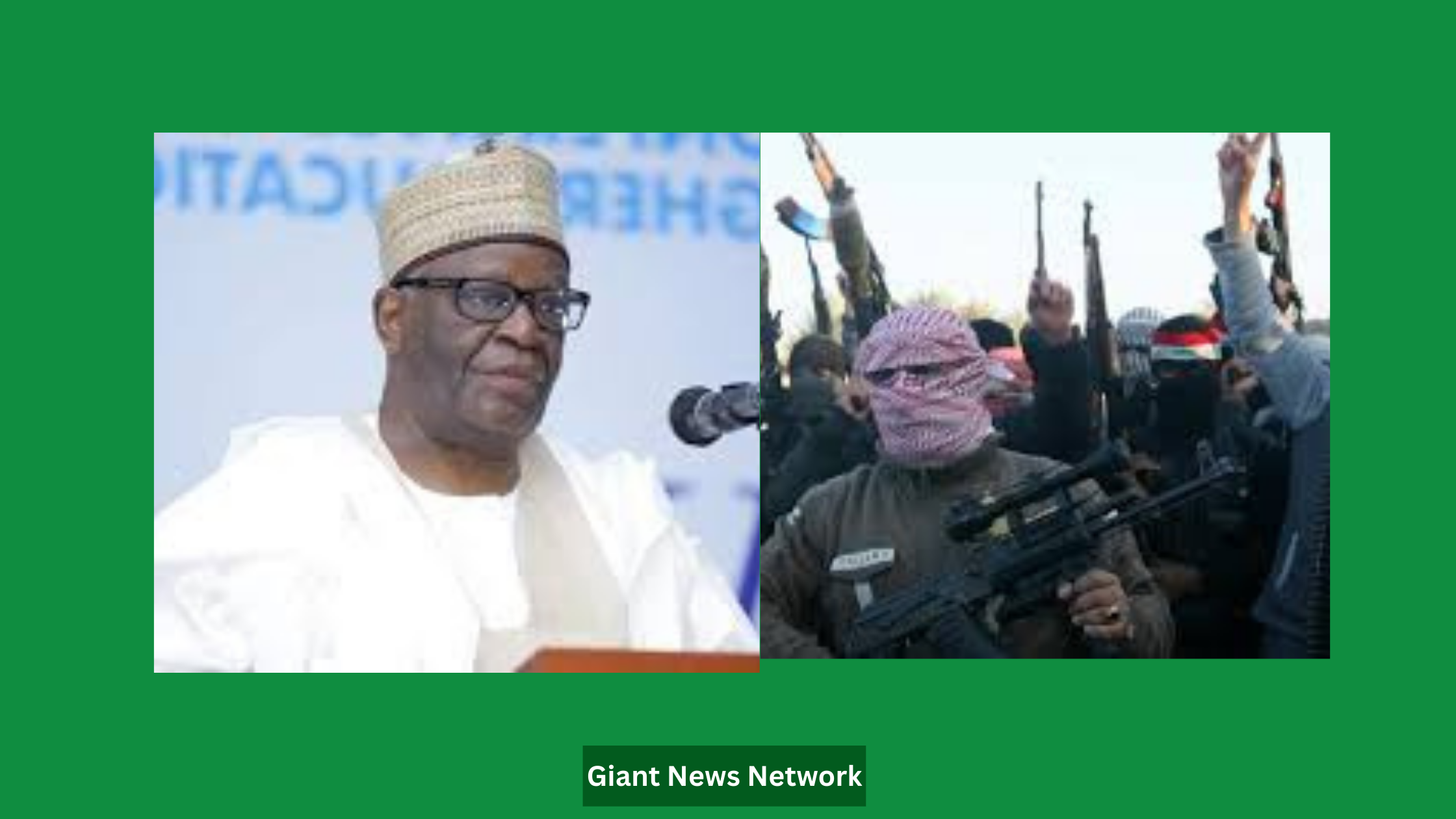
Rights activist Harrison Gwamnishu recently posted video footage showing a vigilant gateman stopping suspected kidnappers from abducting his boss’s family. Shared in June 2025, the footage dramatizes a close call in Delta State—Gwamnishu uses the clip to push for formal training and empowerment of community vigilantes across Nigeria.
1. The Incident:
Gwamnishu—who first broke the story of lawyer Emeka Irogboli’s kidnapping—released short video footage revealing a gate guard heroically preventing would‑be abductors from snatching the lawyer’s solar engineer. The activist called on the Nigeria Bar Association (NBA) and citizens to strengthen neighborhood safeguards. He emphasized: “vigilantes should be trained and empowered to protect communities against kidnappers frustrating citizens’ lives.”
2. Escalating Kidnappings Nationwide:
- Since May 2024, Nigeria has seen around 7,000 reported kidnappings, fueled by economic hardship and rising banditry.
- Major school abductions include 286 students and staff seized in Kuriga, Kaduna State, where kidnappers demanded ₦1 billion (~$620,000) and threatened execution within 20 days if unpaid.
- Earlier mass kidnappings in Zamfara’s Jangebe school (2021) and Greenfield University in Kaduna reflect the growing trend of targeting educational institutions for ransom.
3. Recent Law School Abductions & Ransom Threat:
Mirroring earlier cases, six Nigerian Law School students were abducted on July 26, 2025, along the Wukari‑Benue highway. Kidnappers demanded ₦20 million (~$25,000) per group for their release. The families have reportedly been threatened with fatal consequences if ransom remains unpaid.
4. Economic & Social Drivers:
Analysts point to rising poverty, unemployment, and inflation as key drivers turning criminality into a lucrative business. Kidnap gangs are increasingly run by poorly paid but well-armed “ordinary” Nigerians desperate for cash.
Families—often with no savings—sell land or possessions to meet bail demands. Released victims frequently suffer psychological trauma; young survivors may abandon school in fear. Nigeria now has the world’s largest out‑of‑school population: 10.5 million children impacted in part by insecurity.
5. Proposed Preventive Measures & Voices of Influence:
- Gwamnishu advocates formalizing and training local vigilante units, rather than leaving defense to uncoordinated action. His view: community guards can serve as first responders when trained and supervised.
- Government policy has banned ransom payments since 2022, imposing up to 15 years imprisonment for violators and making kidnapping by death penalty offense in some cases. President Tinubu insists security agencies must rescue hostages without paying kidnappers.
- Community leadership and activists have suggested combining trained vigilante squads with local policing, GPS‑tracked patrols, neighborhood watch apps, and better lighting and fencing of vulnerable schools and homes.
Gwamnishu—born July 17, 1989, in Delta State—is renowned for his human rights advocacy and wrongful incarceration freed after four years. He has raised his voice on social justice, wrongful imprisonment, and prison reform since co-founding Behind Bars Human Rights Foundation. His video post focusses on a real‑time rescue in Delta State—adding urgency to his long-standing call: communities must take proactive steps to guard themselves when state security falls short.
Kidnapping in Nigeria has shifted from sporadic ransom crimes to a widespread menace threatening students, professionals, and families alike. Though the government’s no‑ransom policy is bold, enforcement and rescue operations remain uneven. Gwamnishu’s video—showing that a trained gate‑guard potentially prevented a tragedy—underscores the potential of organized community defense.
As citizens advocate for formal training of vigilantes and local surveillance, only coordinated government support, legal reinforcement, and community collaboration can curb the kidnapping scourge.