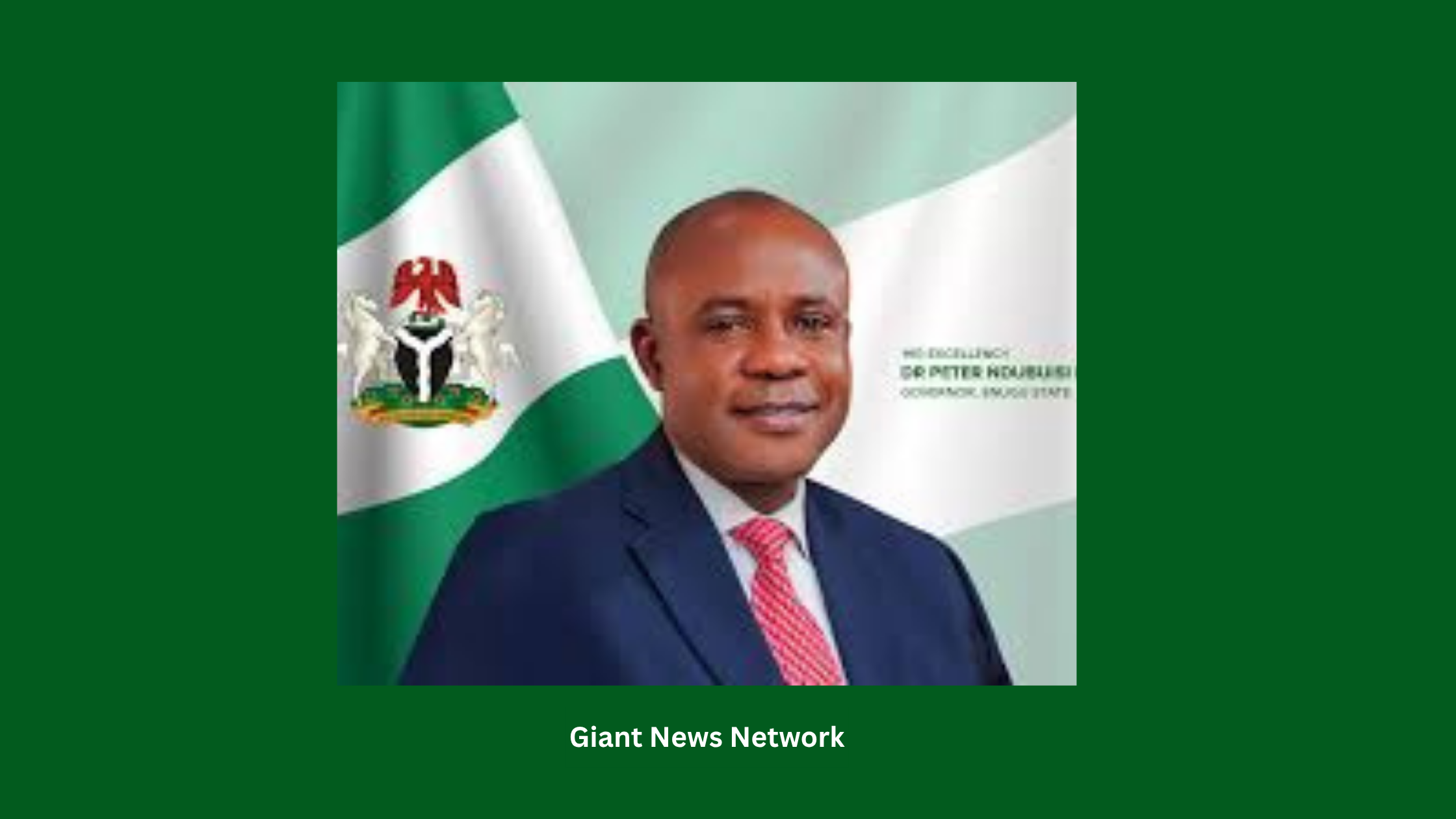
Enugu, Nigeria — Enugu State Governor, Peter Mbah, has made a passionate appeal for the creation of an additional state in the South-East, insisting the move would correct long-standing imbalance and marginalisation of the region. He also called for the inclusion of rotational presidency and state police in the ongoing constitution amendment exercise.
The governor made the statement on Thursday, July 3, when he received members of the Senate Committee on Constitution Amendment at the Government House in Enugu, ahead of the committee’s South-East zonal public hearing scheduled for Friday.
In his remarks, Mbah did not mince words about what he sees as critical injustices baked into Nigeria’s current structure.
“We think this is long overdue. The South-East remains the only geopolitical zone with just five states, compared to six in others and even seven in the North-West. This is a foundational imbalance,” he said.
While commending the committee’s work, Governor Mbah expressed strong support for state policing, stressing that such a change is essential in addressing Nigeria’s growing insecurity and giving states the autonomy to protect their people.
“The idea of state police is something we have fervently advocated for. With the fragility and complex security dynamics of our communities today, there is no better time than now to enshrine state policing in the constitution,” he stated.
On the issue of national leadership, Mbah pushed for rotational presidency, describing it as a necessary path toward a more inclusive and united Nigeria.
“We believe in rotational presidency as a tool for equity. It ensures every region, including the South-East, has a fair chance to lead this country. These amendments are not about politics; they are about justice and nation-building,” the governor added.
SENATE’S RESPONSE:
The Senate delegation, led by Deputy Chief Whip, Senator Onyekachi Nwebonyi, acknowledged the concerns raised and promised to document and present the people’s position accurately.
“The 1999 Constitution has come under sustained criticism for being a legacy of military dictatorship, lacking genuine representation. This amendment process is our chance to address those wrongs,” Nwebonyi said.
He pointed to the disparity in state creation, which has left the South-East region politically and economically disadvantaged compared to other zones.
“The people of the South-East feel shortchanged. This public hearing gives us an opportunity to correct that — to push for fair representation, especially as it relates to state numbers, federal appointments, and resource allocation,” the senator added.
The 1999 Constitution, though democratic in practice, has long been criticized for its military origins and structural biases. Political leaders and civil society groups have repeatedly called for its overhaul or substantial amendment to reflect the true federal character of the Nigerian state.
The South-East zone, comprising Abia, Anambra, Ebonyi, Enugu, and Imo, remains the only region with five states — a reality many say has cost the region valuable representation in national policymaking, federal appointments, and budgetary allocations.
Calls for state police and power rotation have also gained momentum nationwide as insecurity escalates and demands for inclusivity grow louder.
Governor Mbah assured the committee that formal presentations would be made at the Friday hearing and in the days ahead, reiterating that the creation of a sixth South-East state, rotational presidency, and establishment of state police are non-negotiable demands for equity.
“This is not just for the South-East, but for the survival and unity of Nigeria,” he said.
The constitutional review process continues, but whether these long-sought demands will find their way into Nigeria’s next constitutional chapter remains to be seen.