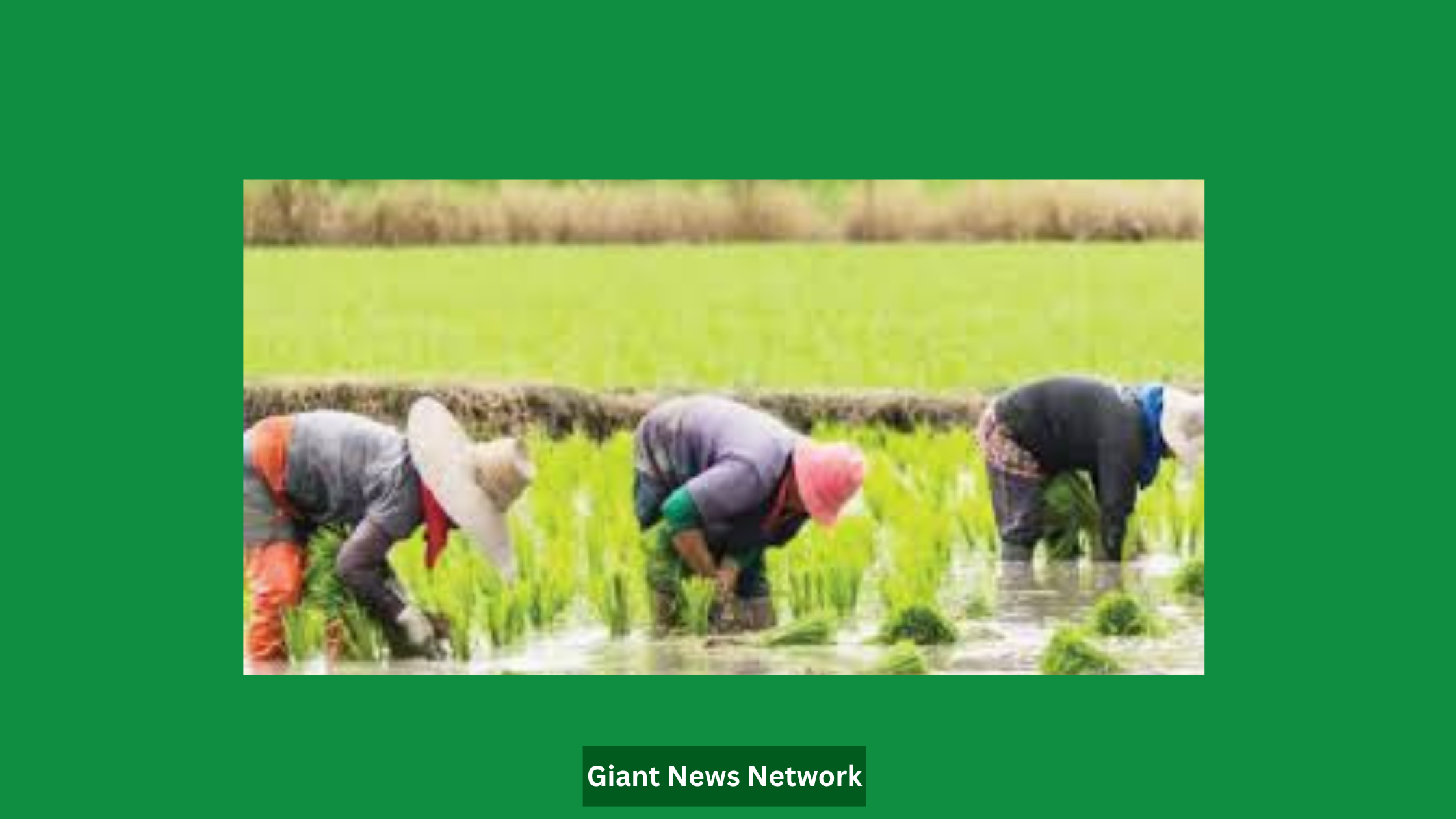
A dramatic shift is unfolding in Nigeria’s rice sector: rice farmers are walking away from paddy fields, citing collapsing profits due to floodgates of rice imports and plummeting domestic prices—creating a crisis that threatens both livelihoods and food sovereignty.
Why Farmers Are Quitting Rice
Rice farmers across key agricultural states like Kebbi, Kano, Ebonyi, Nasarawa, and Benue have slashed or abandoned rice production altogether. Production in 2024/25 fell to 5.23 million tonnes from 5.61 million the year before—a decline of up to 23% and the lowest since 2020.
Farmers cite skyrocketing input costs—fertilizer, seeds, labour—rampant insecurity and banditry, and the suspension of the Anchor Borrowers’ Programme as major causes. Many have shifted to maize, cassava, and other crops with lower risk and more sustainable returns.
Imports Collapse Local Prices
In 2024, Nigeria opened a 150-day duty-free import window for essential food items, including brown rice. Combined with widespread smuggling, imports surged—domestic markets were flooded with cheaper Indian and Thai rice.
A 50 kg bag of local rice that sold for ₦90,000 in January 2025 dropped to around ₦67,000 within months. That is below farmers’ break-even cost and has effectively destroyed profit margins.
Even as global rice prices recover, Nigerian milling capacity remains underutilized. CARF‑FSD Nigeria warns that over 13 million tonnes of local milling potential lies idle due to market distortions.
Market Fallout & Rising Prices
While millers struggle to source paddy, consumers face punishing rice prices. Imported rice now trades at ₦75,000–₦105,000 per 50 kg bag; quality local paddy costs ₦70,000–₦80,000 per 80 kg bag.
Food inflation stands at nearly 40%, and key experts warn this could spiral into a national food crisis without urgent intervention.
Is government policy killing rice production?
- Trade liberalisation intended to cut food inflation has instead undercut local farmers.
- Duty waivers meant to be temporary have become a wrecking force.
- Human cost of policy miscalculation:
- Millions of rural livelihoods are vanishing.
- Smallholder farmers reduced acreage; some shut operations entirely. Others flee urban slums due to lost income and mounting hardship.
- Millions of rural livelihoods are vanishing.
- Food sovereignty at risk:
- Nigeria now imports over 40–43% of its rice needs. Dependency deepens, and the country is vulnerable when international supply faces disruption.
- Nigeria now imports over 40–43% of its rice needs. Dependency deepens, and the country is vulnerable when international supply faces disruption.
Rice’s story in Nigeria today is a cautionary one. Without urgent steps—reinstating protective tariffs, funding farmers with inputs and subsidies, cracking down on smuggling, and investing in irrigated farming—domestic rice may become extinct in production.
Nigeria must decide:
- Do we subsidise and protect local farmers to ensure food security?
Or continue prioritising imports and risk losing a staple industry?