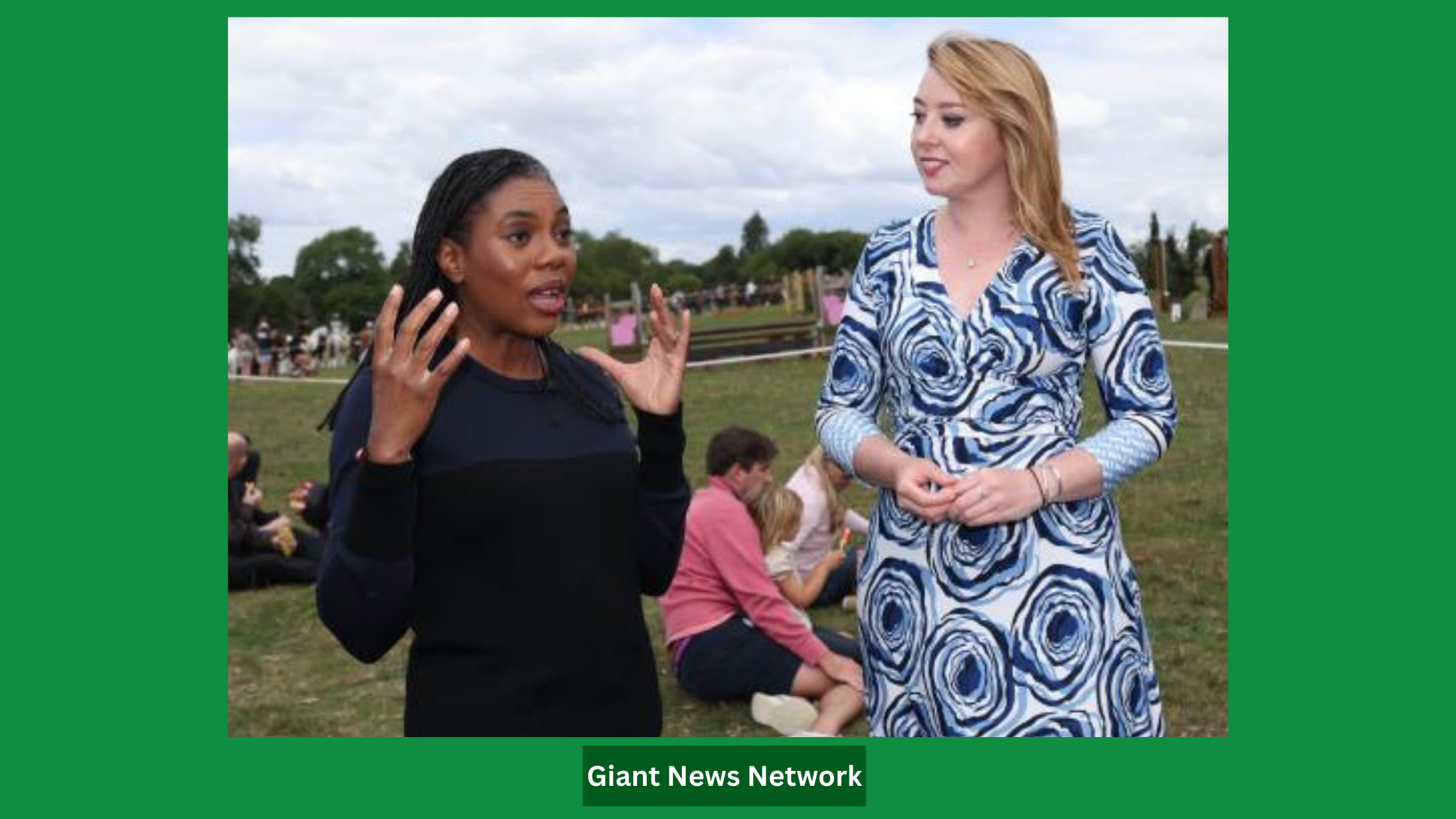
In a candid Sunday Times interview published on August 24, 2025, Kemi Badenoch — the first Black woman to lead the UK’s Conservative Party — opened up about the “hysterical” levels of racism she’s endured since assuming leadership. Her starkly emotional rhetoric underscored mounting online hostility, but critics are now pushing back, accusing her of continued disavowal of her Nigerian origins.
Badenoch described personal attacks — from anonymous trolls and a tiny faction within her own party — as “hysterical.” She dismisses claims that many MPs are behind the criticism, suggesting it’s mostly a fringe few and a surge of online ethno-nationalism. “There’s a Kemi derangement syndrome,” she quipped. She also said some are deploying familiar racial tropes—implying she couldn’t have succeeded on her own and accusing her of being hired solely due to diversity quotas.
As she gears up for a critical Tory conference in October, Badenoch faces declining polls (Conservatives trailing at around 17–18%) and renewed chatter of a possible leadership challenge from Robert Jenrick. Despite internal tension, she downplayed these rumors, calling them “sour grapes” and a distraction from real governance.
Badenoch’s comments have stirred fresh controversy in Nigeria. She recently said she no longer identifies as Nigerian, citing personal reasons and foregrounding her British identity.
In a CNN interview, she claimed Nigerian women (including herself) cannot pass citizenship to their children — a statement swiftly debunked by legal experts and criticized back home as misleading. A Nigerian group, PeacePro, even petitioned the UK Parliament to highlight her “recurring pattern” of inaccurate or disparaging remarks.
The Nigerian Vice President, Kashim Shettima, publicly rebuked her, saying, “We are proud of her — in spite of her denigrating her nation of origin,” while praising Rishi Sunak for not disparaging his ancestral homeland.
Commentators now suggest there’s more to Badenoch’s rhetoric than leadership resilience. An opinion piece in The Guardian sees her distancing from Nigeria as strategic and emotionally loaded—accusing her of feeding a colonial mindset, while simultaneously invoking Nigeria for negative contrast. Her statements were broadly described as “misinformation,” “disingenuous,” and potentially damaging to her reputation among Africans who embrace dual identity.
Kemi Badenoch’s revelations about enduring orchestrated racism do resonate, but they’re deeply entangled with her persistent distancing from her Nigerian roots — a tension marked by both denial and derogation. As she steers her party through internal and external storms, the broader question looms: Has she become the kind of “model minority” that denies the past to thrive, or is her identity politics a carefully calculated political strategy? Either way, more reckoning may be coming — from Nigerians at home, British politics, and audiences who refuse to let her rewrite her origins.