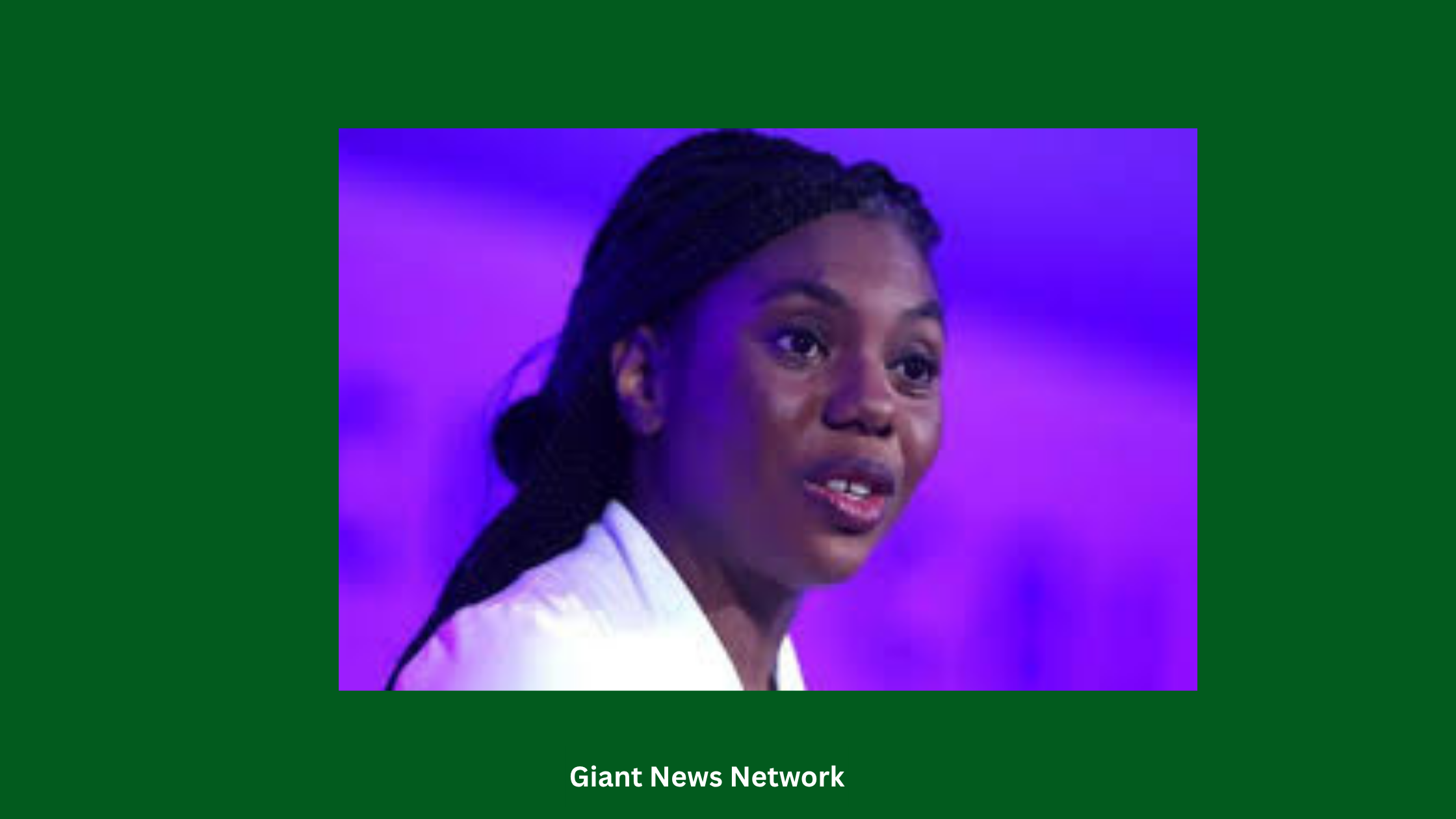
Kemi Badenoch, UK Conservative Party leader and Nigerian-born politician, has reignited global debate on gender-based legal discrimination — revealing that, as a woman, she is unable to transfer her Nigerian citizenship to her children. In a hard-hitting CNN interview, Badenoch contrasted Nigeria’s outdated nationality laws with Britain’s more liberal immigration system, declaring that her government is now tightening UK citizenship rules to avoid further exploitation.
In an emotionally charged appearance on CNN’s Fareed Zakaria GPS on Sunday, July 20, Kemi Badenoch didn’t hold back. Speaking candidly about the challenges of dual identity and citizenship, she dropped a powerful bombshell: her own children cannot become Nigerian citizens — simply because of her gender.
“It’s virtually impossible, for example, to get Nigerian citizenship,” Badenoch stated. “I have that citizenship by virtue of my parents. I can’t give it to my children because I’m a woman.”
This revelation, both personal and political, quickly stirred public conversation across Nigeria and the diaspora — spotlighting a longstanding legal gap many had forgotten: the gendered provision in Nigeria’s citizenship laws which denies women the equal right to pass on their nationality to their offspring, unlike men.
Badenoch, a rising conservative firebrand known for her tough stance on immigration, didn’t stop there. She used Nigeria’s “rigid” nationality structure as a stark contrast to what she described as Britain’s “naively generous” migration policies.
“Yet loads of Nigerians come to the UK and stay for a relatively free period of time, acquire British citizenship. We need to stop being naive,” she said, arguing for stricter controls.
As the new face of Conservative leadership, Badenoch has overseen a shift towards tougher border and naturalization regulations. “That is why under my leadership, we now have policies to make it harder to just get British citizenship. It has been too easy,” she declared.
But perhaps most controversial was her rejection of the so-called “mini-Nigeria” cultural integration model in the UK. When asked whether the UK should embrace cultural enclaves that mirror Nigeria’s traditions as a way to help immigrants settle, her answer was blunt:
“That is not right. Nigerians would not tolerate that. That’s not something that many countries would accept,” Badenoch asserted. “There are many people who come to our country, to the UK, who do things that would not be acceptable in their countries.”
Badenoch’s commentary, grounded in her own lived experience as a UK-born daughter of Nigerian parents who spent part of her early years in Lagos, highlights a deeper ideological tension: the battle between multicultural tolerance and national identity, between inclusion and enforcement.
=
Kemi Badenoch’s remarks have sent ripples through both Nigerian and British spheres — challenging outdated gender laws in Nigeria while reinforcing the UK’s rightward shift on immigration. As voices grow louder on both sides, the question remains: will Nigeria confront its gendered nationality laws, and will Britain find a middle ground in its migration policy?
This is a developing story. Follow for further updates as legal experts, rights activists, and lawmakers weigh in.