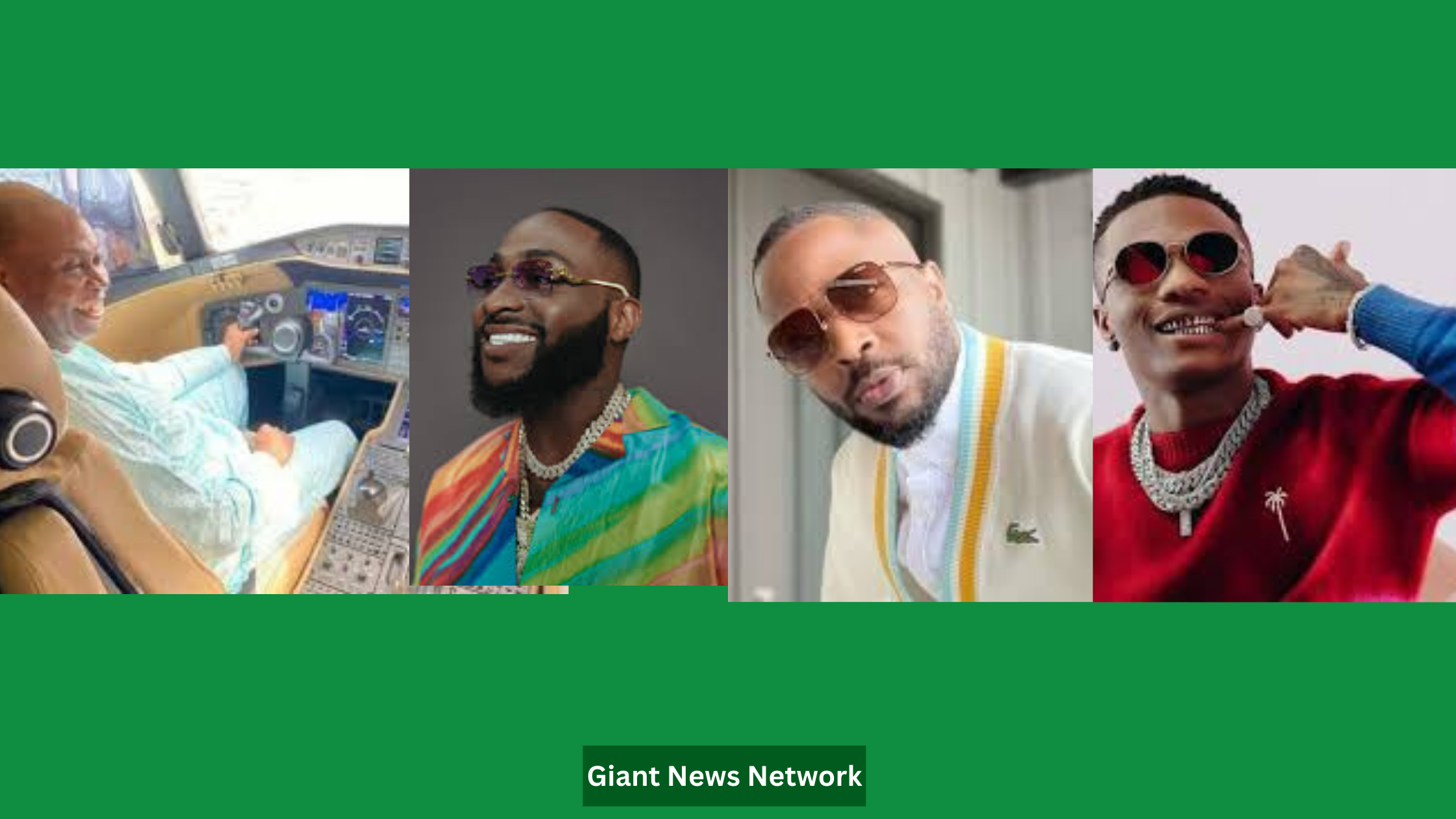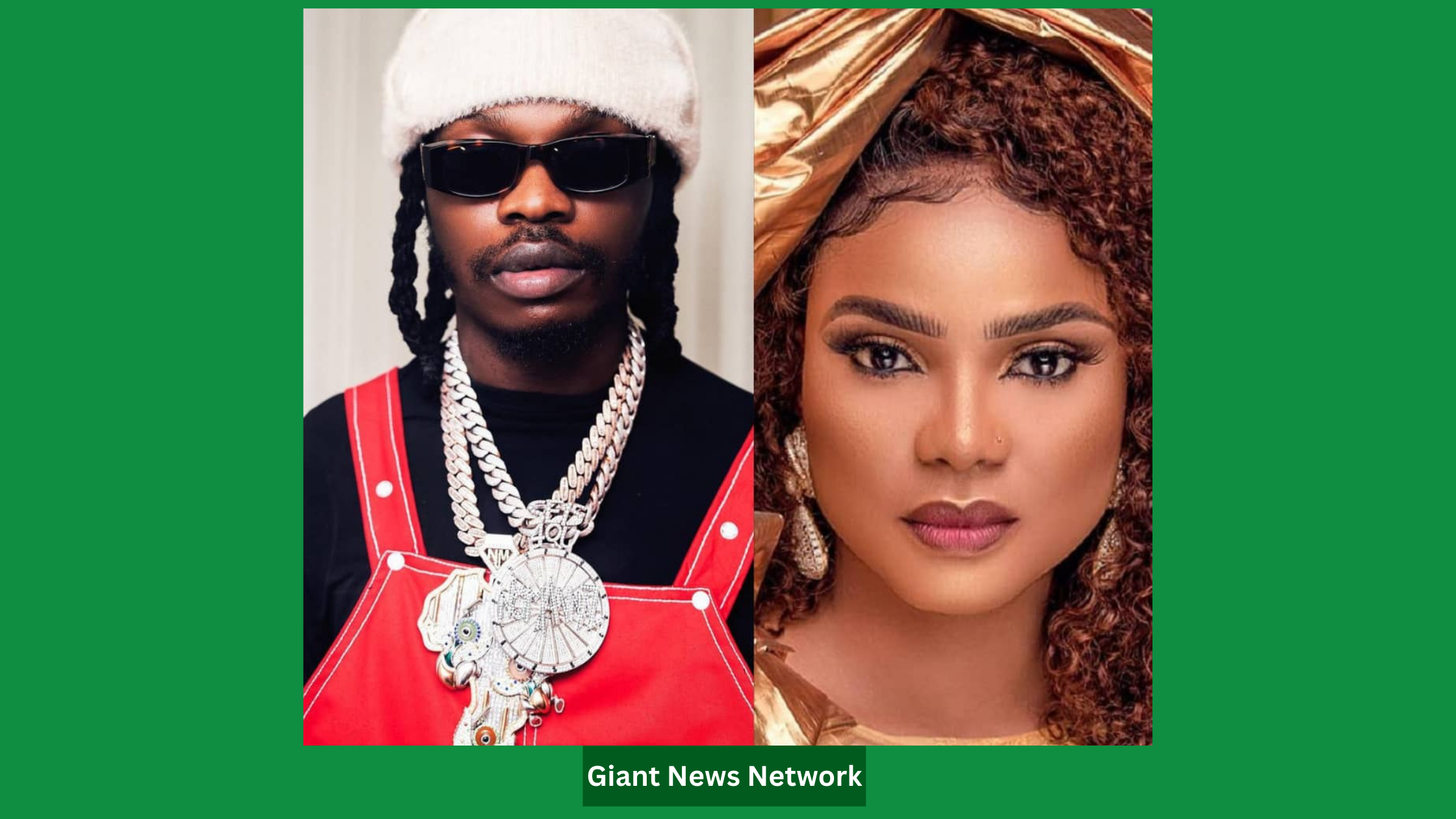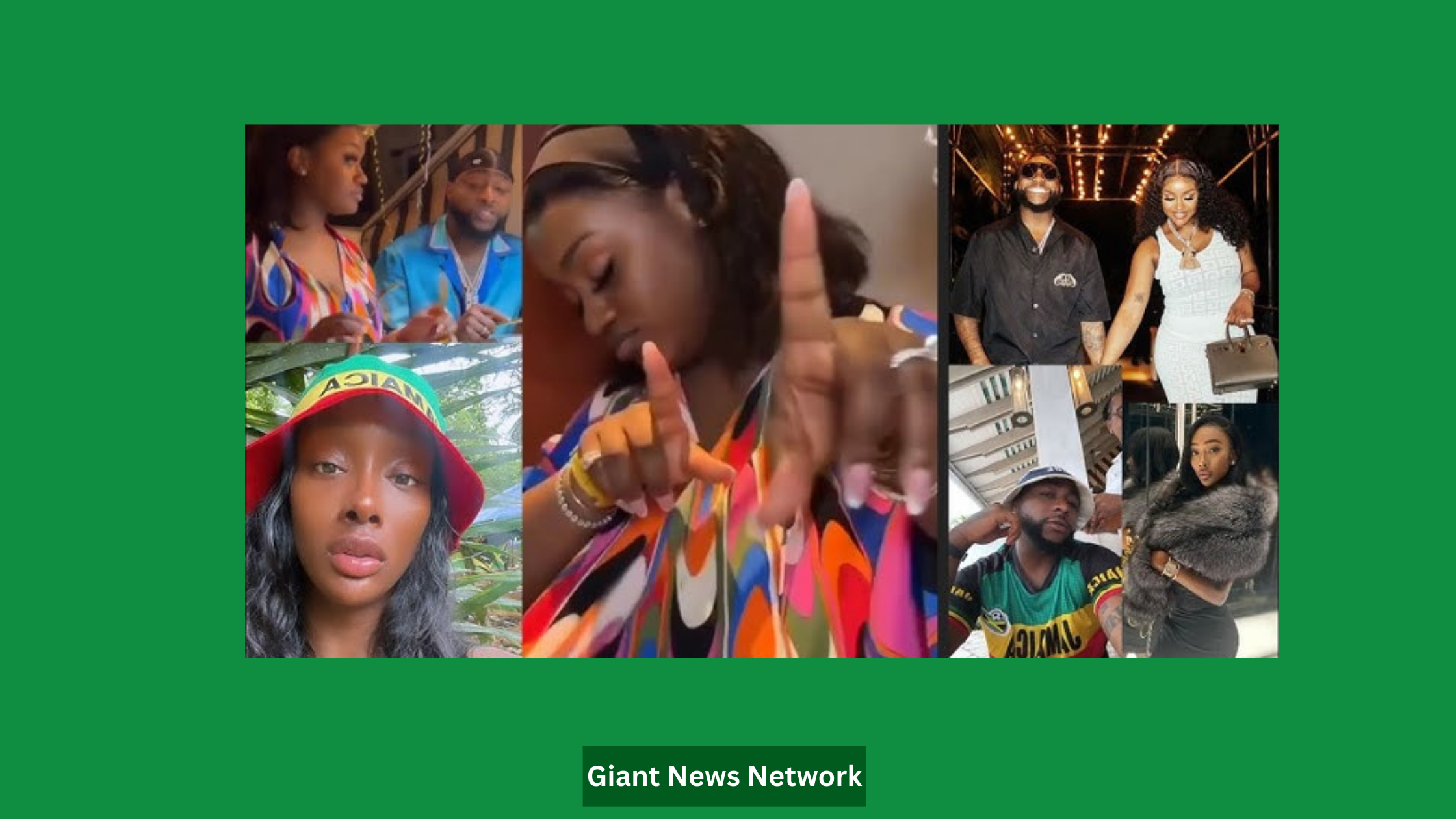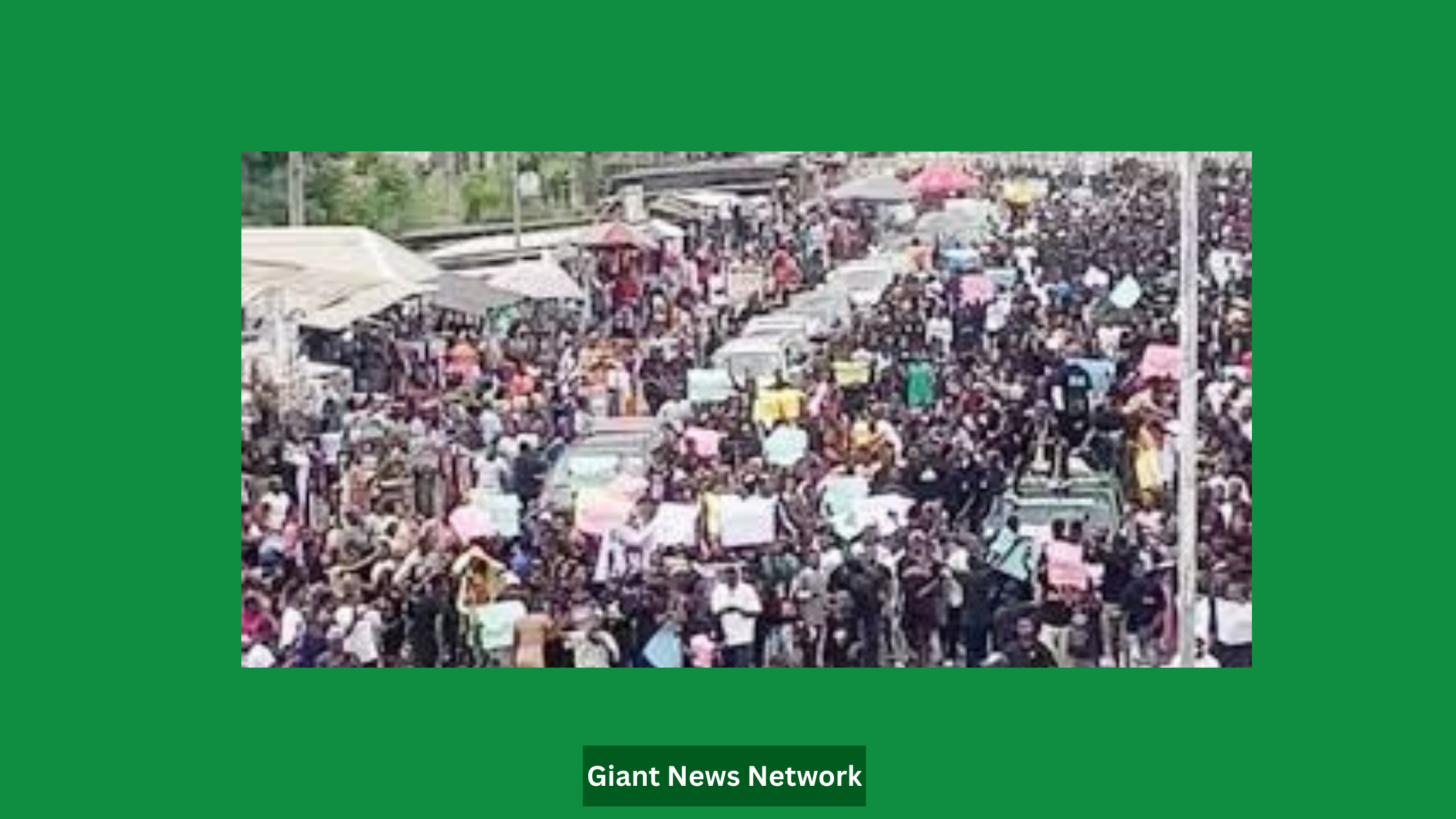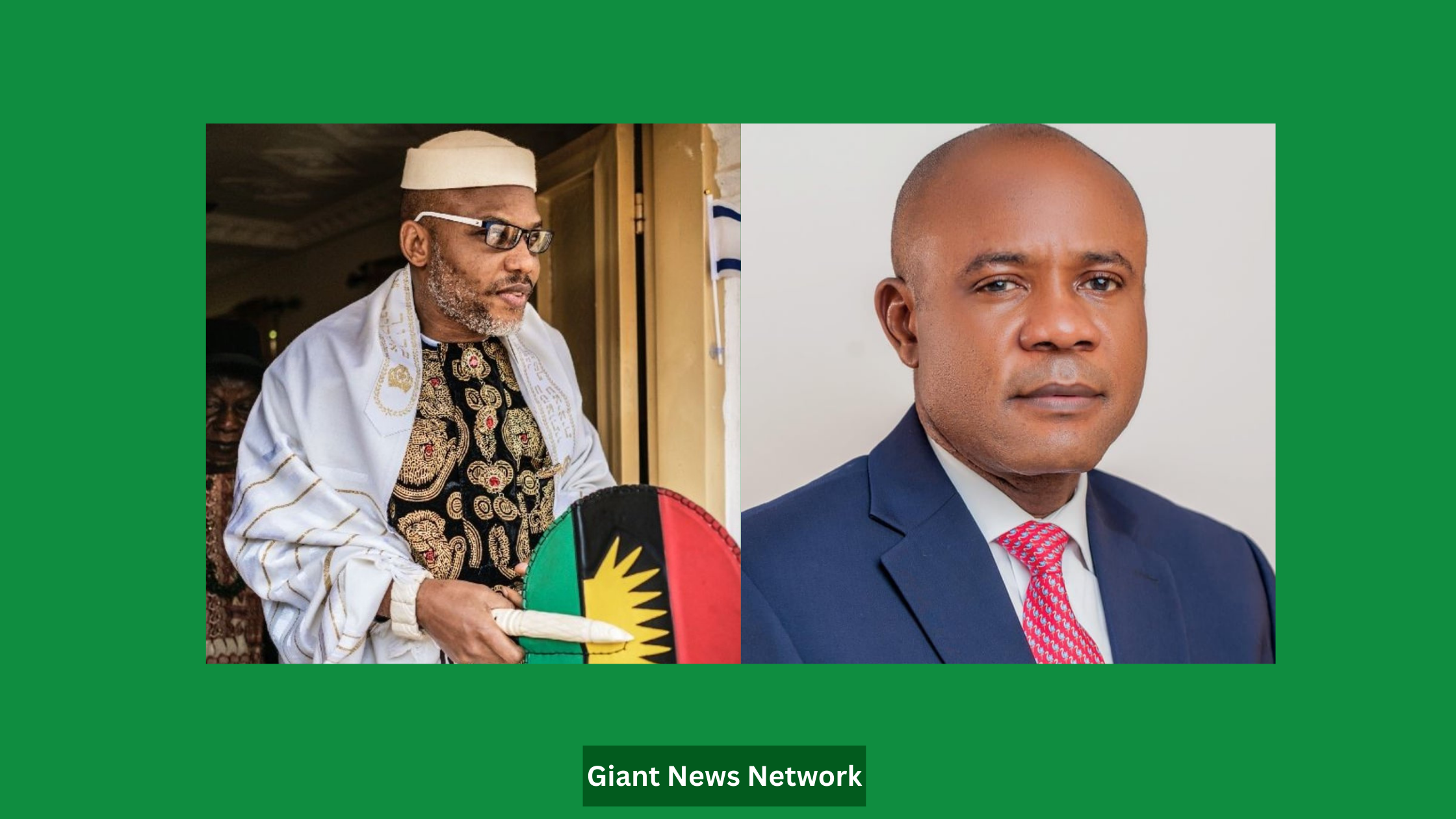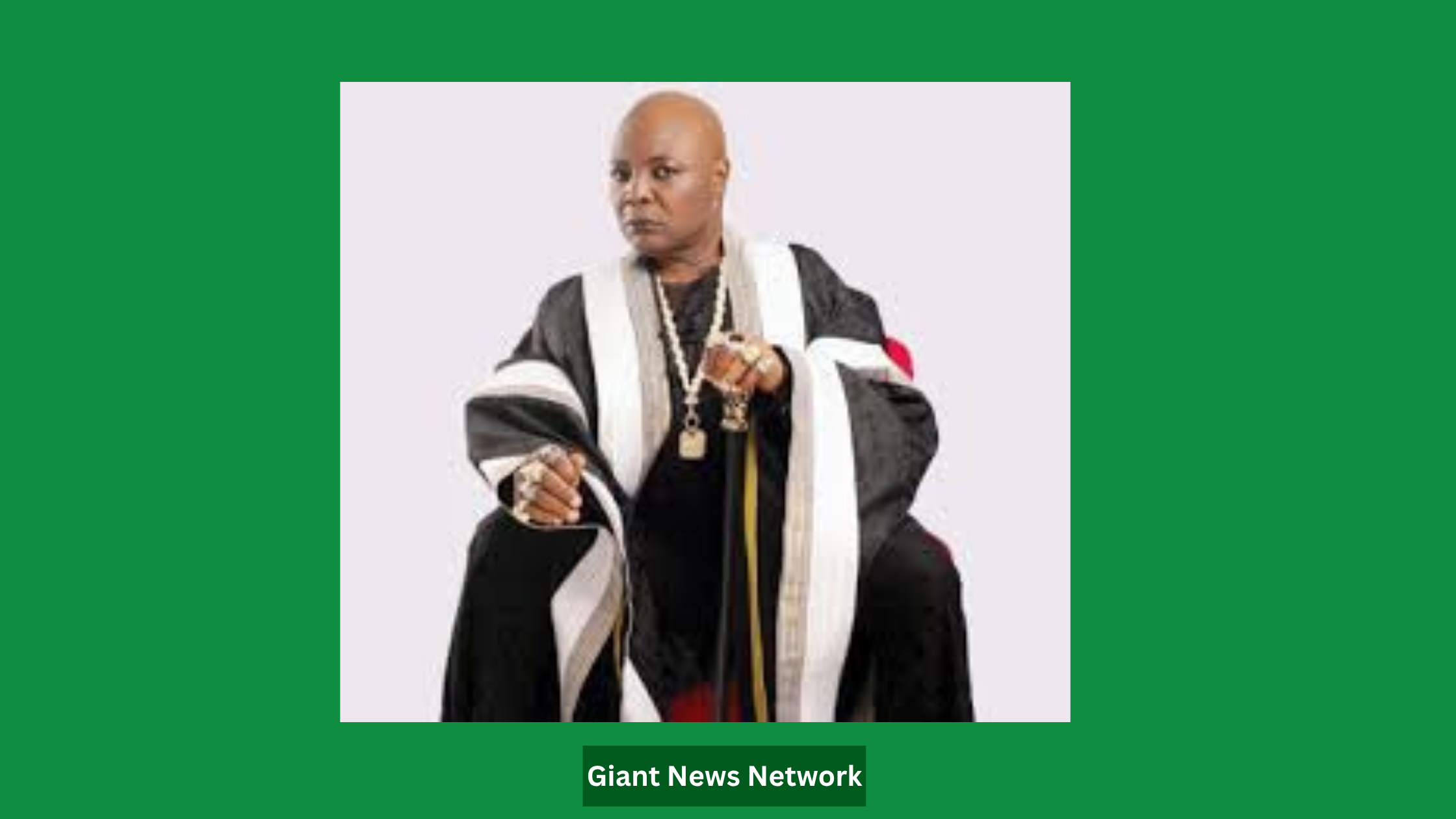
Veteran entertainer-activist Charly Boy (Charles Oputa) has vehemently condemned the recent renaming of “Charly Boy Bus Stop” in Bariga to “Olamide Baddo Bus Stop.” He alleges the move is a covert attempt to erase his legacy—and a broader signal that Lagos is being reshaped into a Yoruba-controlled space, marginalizing non-indigenous communities.
1. Bus Stop Renamed—Legacy Targeted
Charly Boy erupted on his X handle, declaring:
“You can rename a place… but you can’t rename a legacy.” He warned that the bus stop name—whose origin stemmed from grassroots appreciation—is now being erased out of fear of his outspoken activism. According to him, the name was never given by politicians, but by the people of Bariga and Gbagada.
2. Ethnic Politics on the Rise
Lawyer and Lagos activist Dr. Ubani raised alarm at what he calls a creeping pattern of “retrogressive ethnocentrism” in the renaming spree. He highlighted that this is disproportionately favoring Yoruba entertainers and politicians, sidelining historical contributions from Igbo, Hausa, and other communities.
Omoyele Sowore echoed the warning, describing the episode as part of a xenophobic agenda aimed at punishing critics of the ruling party and deploying civic infrastructure as a political weapon.
3. Symbolic Cleansing or Cultural Reset?
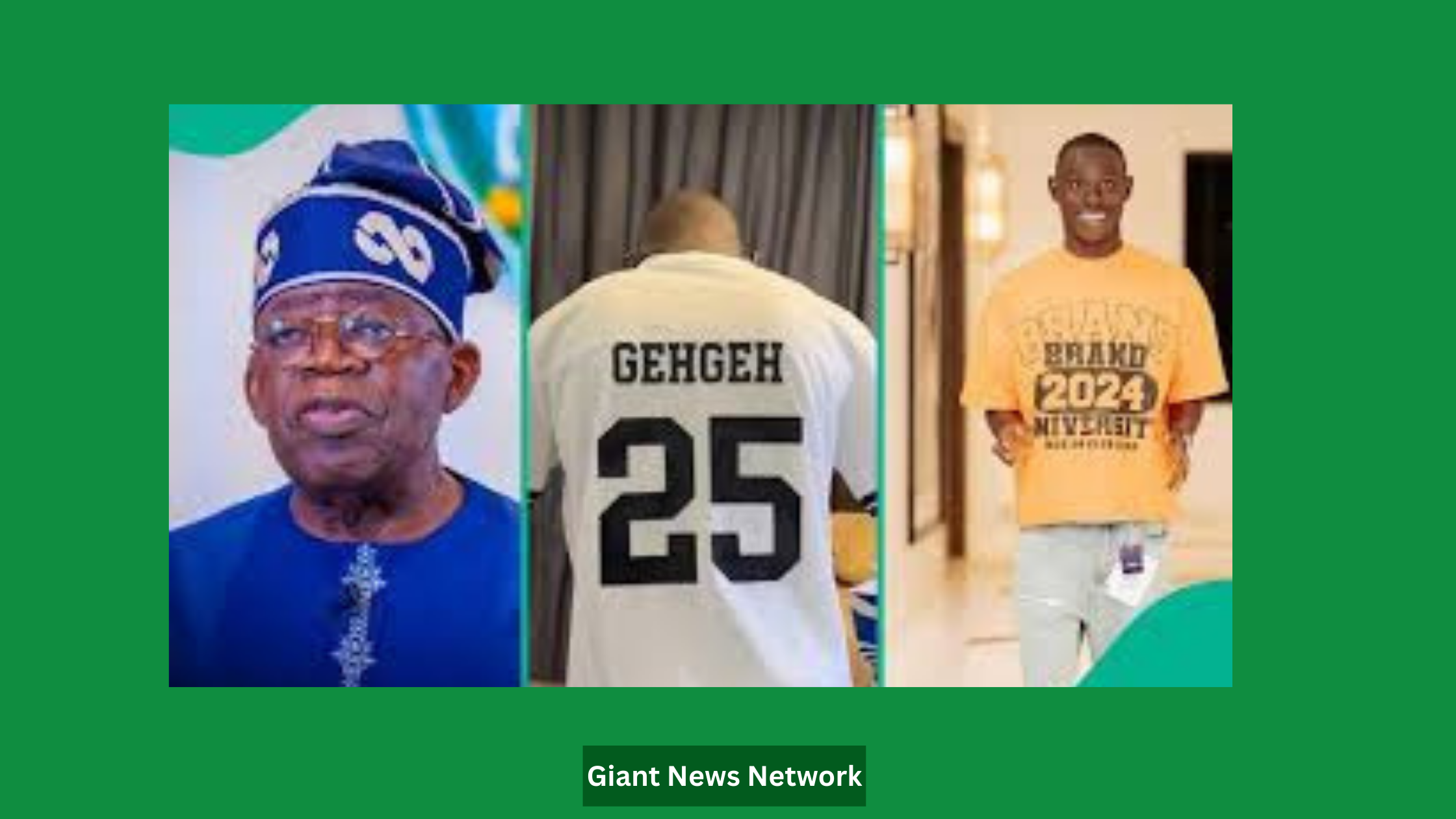
Critics suggest this is more than brand-building—it’s cultural rewriting. The renaming of multiple landmarks after political-aligned Yoruba figures—like Bola Tinubu Way, King Sunny Ade Road, and Tony Tetuila Street—raises concern that Lagos is being reshaped into a Yoruba-dominated memory space.
Commentators accuse the move of erasing dissenting voices like Charly Boy, who consistently challenged authority. One opinion piece starkly warned that this renaming spree is tantamount to symbolic ethnic cleansing.
4. Charly Boy’s Defiant Response
Responding firmly, Charly Boy dismissed the renaming as cowardly and symbolically violent:
“This is about fear… fear of a boy who refused to bow.”
He argued the government underestimated the power of lived memory: no signboard can suppress the spirit or communal affection that defined his grassroots influence in Bariga.
Conspiracy Angles: Who Really Controls the Map?
- Political Vendetta: Critics allege that supporting the renaming of landmarks is a subtle method of rewarding political loyalists and silencing critics like Charly Boy—especially given his history of activism and criticism of the ruling party.
- Cultural Displacement: There’s speculation that the renaming of streets in Igbo-majority areas of Lagos is designed to make non‑Yorubas feel unwelcome, discouraging dissent and reversing the cosmopolitan identity Lagos once held.
- Unconsulted Public Infra-structure Rewriting: None of the renaming exercises involved public engagement. Observers question whether badly timed “urban planning” is just a cover for homogenizing Lagos’s cultural map.
Charly Boy has been a countercultural icon since the 1980s, representing marginalized voices and confronting power through music, performance, and activism. This recognition grew organically in community memory—not due to official proclamation. The recent renaming wave came under the outgoing Bariga LCDA Chairman, Kolade David. Though supporters say it’s part of a goodwill gesture to honor local celebrities, many believe it reflects deeper ethnic-political alignments. This conflict over a bus stop name is far more than a vanity plaque—it’s a battlefield over history, identity, and who gets to shape Lagos’s public narrative. As Charly Boy warns, these moves are about power, fear, and the erasure of voices that refused to stay silent.
Key questions ahead:
- Will the Lagos State Government justify the renaming publicly or reverse the decision?
- Will Yoruba leaders speak up against what Ubani describes as ethnocentric policies?
- Will Bariga residents reclaim their memory, or will state power overwrite popular heritage?
Stay tuned—this story is evolving, and may well shape larger conversations about cultural ownership and civic inclusion in Nigeria’s economic hub.