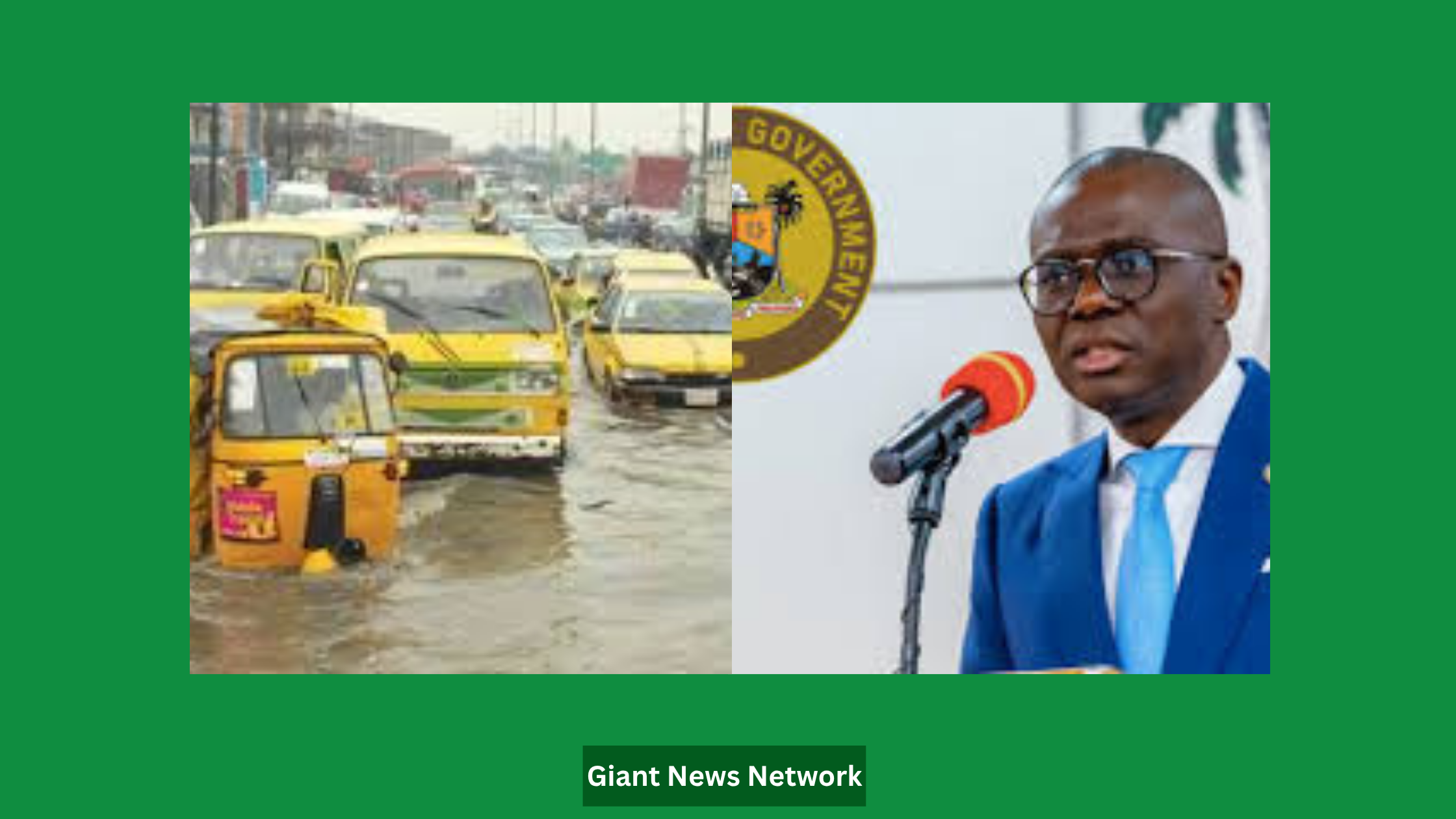
LAGOS, NIGERIA — As torrential rain continued into early August, the Lagos State Government issued an urgent plea for residents in low-lying areas—specifically Lekki, Ikorodu, Ajegunle, and Isheri (OPIC axis)—to relocate immediately to higher ground. The warning comes amid widespread flooding that began on Sunday night, August 3, and engulfed homes and vehicles across the city.
Critical Warning from the Top
On Politics Today (Channels Television), Environment Commissioner Tokunbo Wahab warned of intensified rainfall driven by severe weather forecasts. He singled out vulnerable zones, stating:
“Residents around Ajilete in Ajegunle, coastal communities in Ikorodu—such as Majidun—must move. Some sections of the Lekki corridor and Isheri-OPIC also face grave risk.”
He added that locations such as Epe, Mushin, and Ikeja remain relatively safe, urging residents not to take the alert lightly.
Chaos in the Streets
Graphic videos circulating online captured submerged homes, drowned vehicles, and flooded roads—bringing daily life and commerce to a halt. In Ikorodu’s Ijede community, residents described the scenes as nothing short of apocalyptic, demanding immediate government action.
A National Pattern of Flooding
This crisis is part of a broader national trend. In May and June 2025, Nigeria saw catastrophic flooding in states including Niger (Mokwa), Rivers, and Delta. The Mokwa flood alone claimed over 500 lives, displaced thousands, destroyed infrastructure, and wiped out farms in a single night.
Earlier in April, the Federal Government had ranked Lagos among 30 states at high flood risk in its 2025 Annual Flood Outlook, warning that over 1,200 communities across 176 local governments were in danger. The flood forecast identified Lagos—and many coastal cities—as vulnerable to flash and urban flooding due to inadequate drainage and increasing rainfall intensity.
Failure to Learn from Past Warnings
Despite being repeatedly forewarned, Lagos has struggled to implement lasting flood mitigation strategies. Commissioner Wahab cited over ₦15 billion spent in drainage upgrades in 2024, but the recurring flood scenes suggest limited impact.
Residents across Ajegunle, Isheri, and Ikorodu have long decried the authorities’ failure to dredge water channels and maintain embankment systems. Last year’s warnings went unheeded, and waste-clogged drains and encroachment on natural waterways persist.
Call for Accountability
Critics argue that the state’s reactive posture—issuing evacuation orders only after flooding begins—has created a dangerous cycle of damage and displacement. The repeated failures to act on long-standing flood warnings raise serious concerns about the government’s commitment to protecting its citizens.
What to Do Next
- Residents in highlighted areas are urged to heed the relocation warning immediately.
- State authorities must accelerate drainage projects and clear waterways to mitigate further damage.
- Government officials should ensure early and proactive planning before each rainy season—not after the fact.
As Nigeria’s urban areas face recurrent flood disasters, the loss of life and property is no longer a surprise—it’s predictable. Without systemic planning and timely interventions, warnings will continue to arrive too late.
Let me know if you’d like a shorter mobile-friendly version or social media headlines to promote this story.