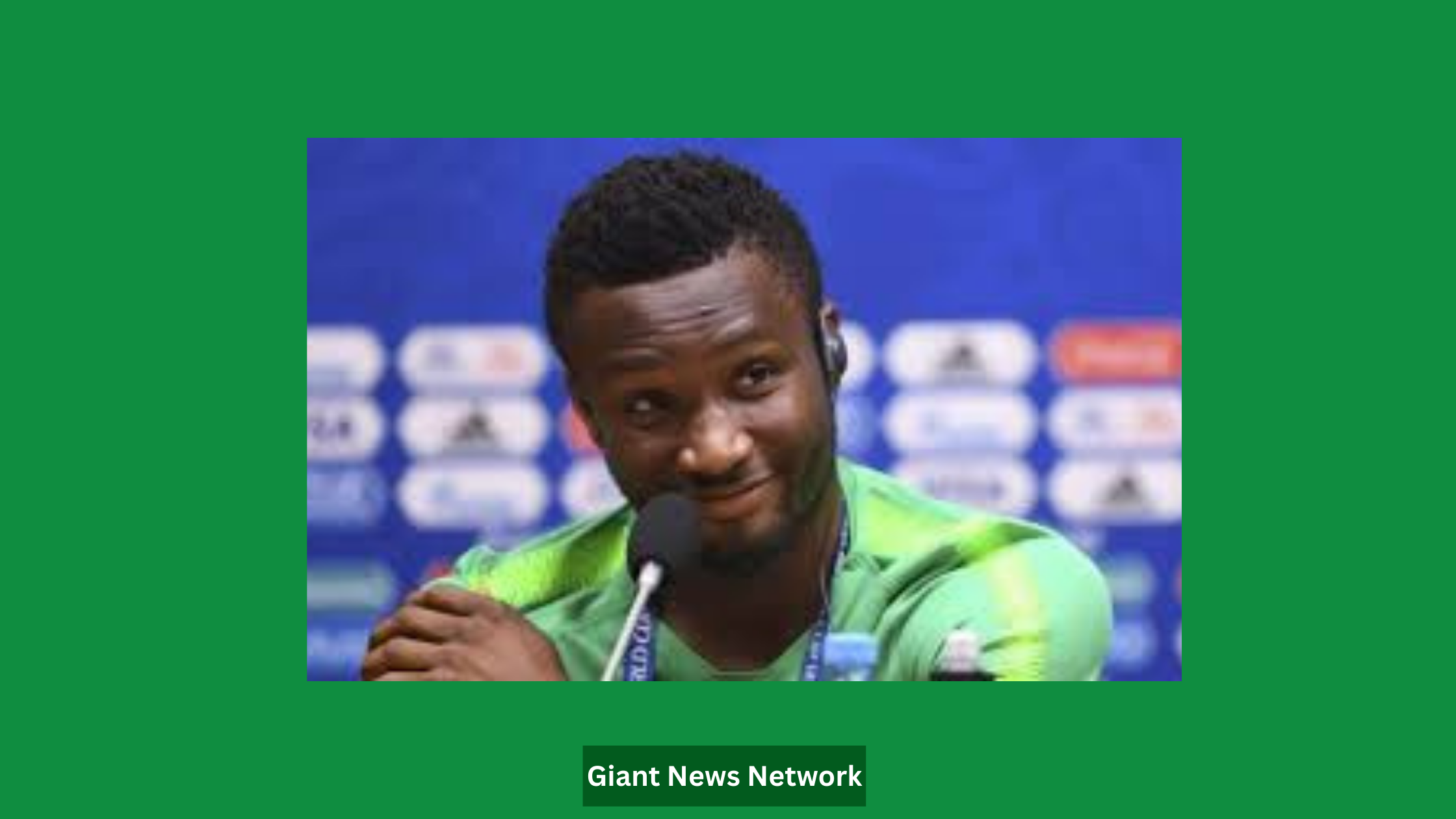
Former Super Eagles captain and Chelsea legend John Mikel Obi has finally addressed a long-standing perception—that Nigerian football fans never truly appreciated him. Speaking candidly in a viral interview, the 39-year-old AFCON winner revealed why many believed he gave more to his club than to his country, a sentiment he says is both unfair and deeply misunderstood.
John Mikel Obi is one of Nigeria’s most decorated footballers. From the U17 national team to the senior Super Eagles, he carved a career that saw him win the 2013 Africa Cup of Nations, clinch three AFCON bronze medals, and finish runner-up at the 2005 FIFA U20 World Cup.
At club level, his trophy cabinet is even heavier—two Premier League titles, a UEFA Champions League crown, a Europa League medal, and multiple domestic cups during an 11-year spell at Chelsea. But while England celebrated him as a midfield maestro, Nigeria’s fanbase remained split—some praising his commitment, others accusing him of reserving his best performances for Stamford Bridge.
What Mikel Said:
In the viral clip, Mikel admitted to a “love-hate relationship” with Nigerian supporters.
“They always think I gave more to Chelsea than to Nigeria,” he said. “It doesn’t work like that. International football is the toughest. You join camp, meet players for just two to four days, then play a major game. The chemistry is never the same as a club where you train together every day.”
The 2016 Olympic bronze medallist stressed that his loyalty to Nigeria was unquestionable.
“I do care about playing for my country. I was the star of the team, so the pressure was always on me. But I always gave my best when I wore the green and white.”
Past Sacrifices and Unsettled Debts
Mikel also revisited a defining moment from the 2016 Rio Olympics—a story that still stings. The Nigerian Olympic football team, stranded and on the verge of missing its first match against Japan, was saved by his personal intervention. Out of pocket, he funded a chartered flight worth over ₦50 million, consulting with then-coach Samson Siasia before making the call.
Nearly a decade later, Mikel says the Nigerian government has never reimbursed him. The incident, he hinted, is part of the bigger picture playing for Nigeria often meant giving more than what was received in return.
Whether loved or questioned, John Mikel Obi’s legacy in Nigerian football is undeniable. For every critic who saw him as “Chelsea’s man,” there are countless others who remember his leadership, his composure, and the medals he brought home. But as his words echo across social media, one thing is certain, the conversation about how Nigeria treats its football heroes is far from over.