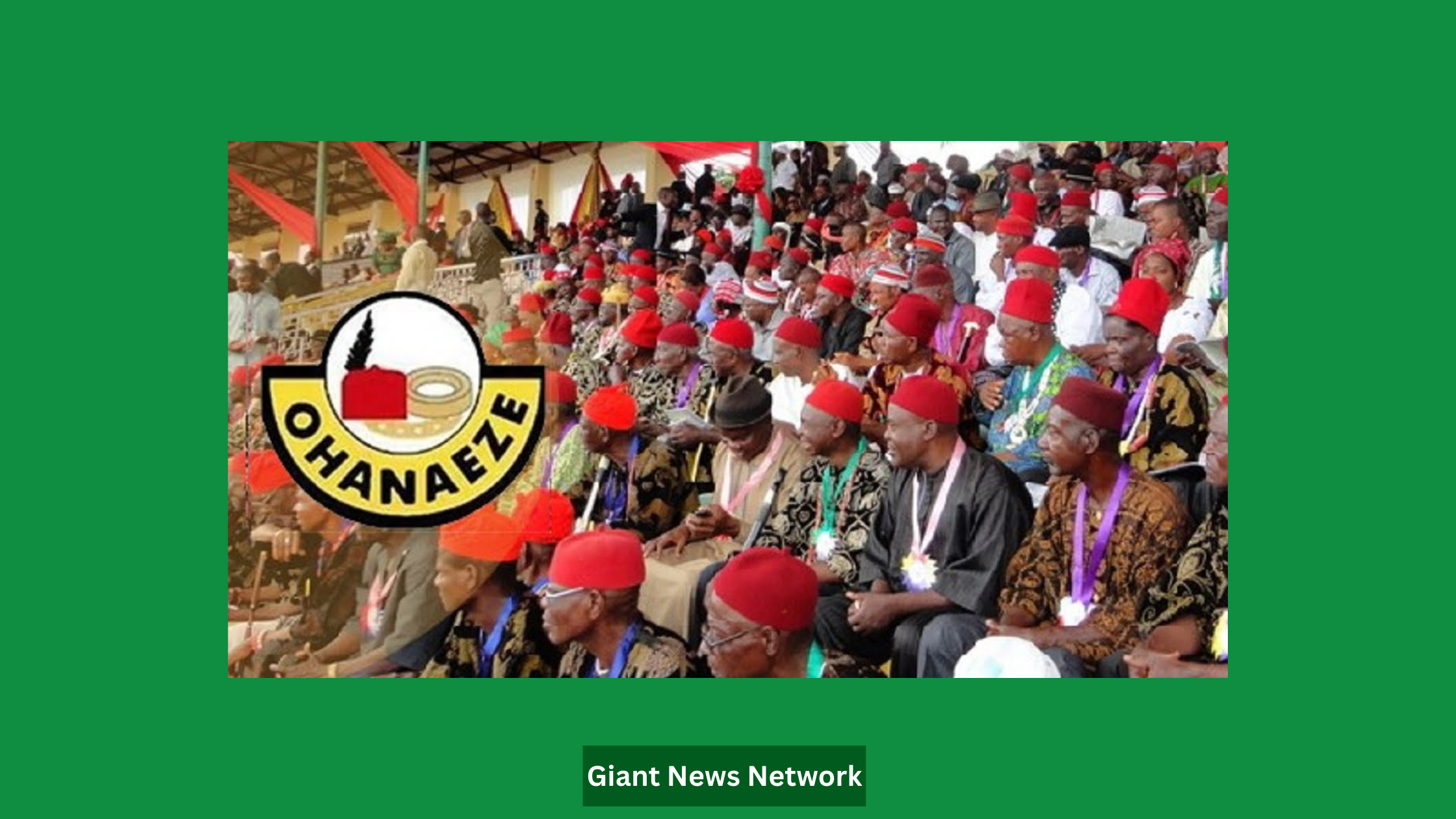
Ohanaeze Ndigbo the influential Igbo socio-cultural organization—has officially ruled out any attempt by Igbo aspirants to contest the 2027 Nigerian presidency against incumbent Bola Ahmed Tinubu. In a weekend communiqué from Abakaliki, the group declared that the earliest feasible opportunity for an Igbo presidency would be in 2035, provided the zoning arrangements and political dynamics within the All Progressives Congress (APC) shift in favour of the Southeast.
After critical deliberations with Southeastern political leaders, Ohanaeze concluded that challenging President Tinubu in 2027 would be politically imprudent. They cited systemic barriers and a flawed electoral terrain that undermines the chances of any opposition, especially Igbo candidates. Without comprehensive electoral reforms, mounting a viable bid is not only futile but potentially damaging to Igbo political interests.
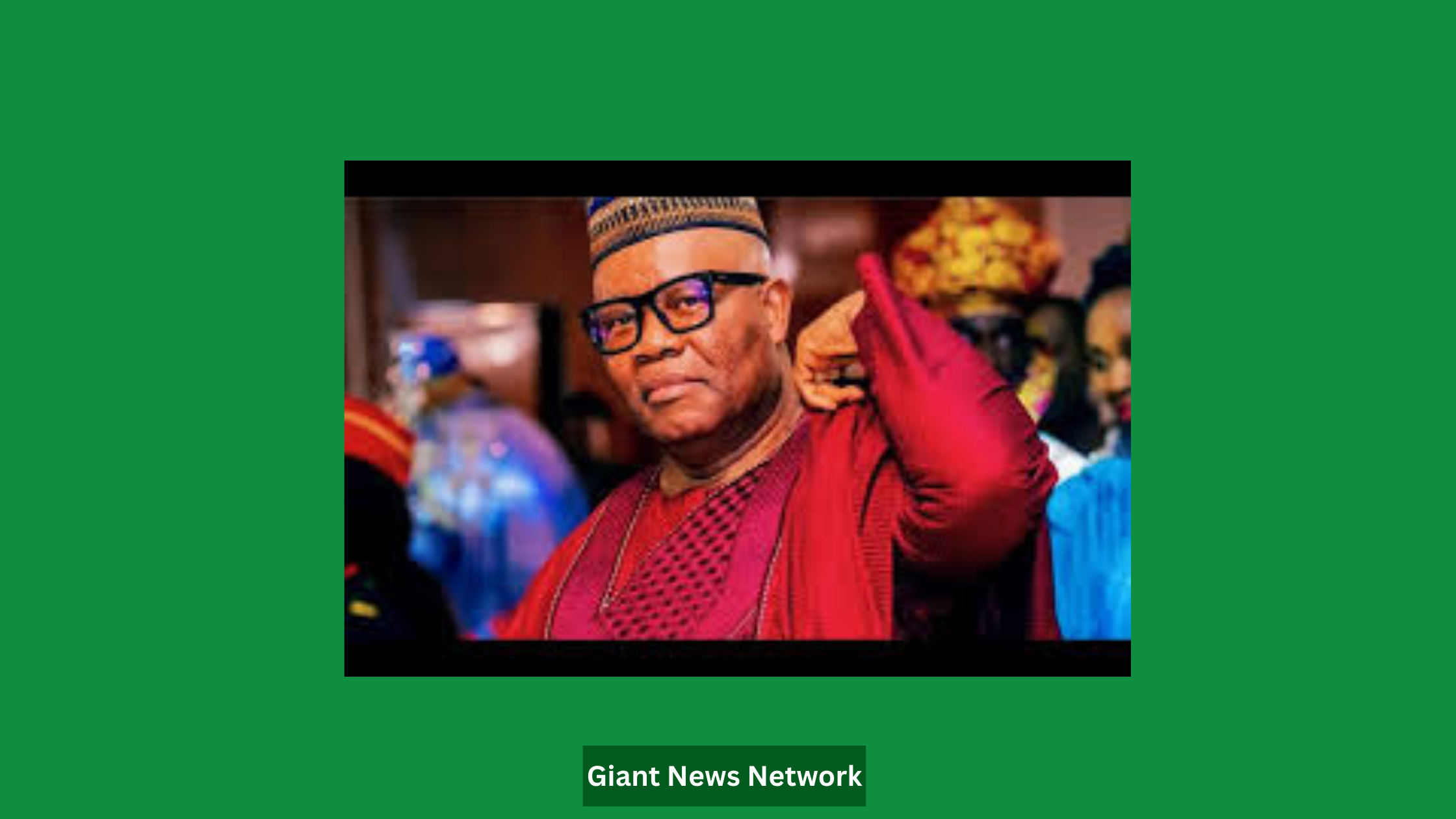
The statement urges the Igbo nation to recalibrate its ambitions toward 2035. Ohanaeze stressed that the Southeast producing a president is a bold but realistic goal, assuming the APC realigns its zoning formula. Among potential contenders, Minister of Works Senator David Umahi was spotlighted as the most compelling candidate, owing to his extensive political record and leadership of the Southeast Governors’ Forum.
Ohanaeze underscored that credible elections are foundational to any Igbo presidential bid. It warned that without thorough reform to dismantle INEC’s institutional loopholes and manipulation risks, any 2027 effort would squander both resources and legitimacy—and potentially imperil Igbo economic fortunes across key hubs like Lagos.
The organization also rebuffed proposals for an Igbo president to serve only a single term, deeming such a concession misleading and unjust. They reaffirmed their commitment to securing a full, constitutional two-term presidency for any Igbo leader, rejecting any attempts to cut that right short.
Ohanaeze Ndigbo, established in 1976 and currently led by President-General John Azuta-Mbata, serves as a unified voice for Igbo interests both within Nigeria and throughout the diaspora.
In an emotionally charged and strategic move, Ohanaeze Ndigbo has sent a crystal-clear signal: the 2027 presidential race is not the stage for Igbo ambition. Instead, the organization calls for patience, unity, and preparation—pointing to 2035 as the window for an Igbo presidency. If taken seriously, this recalibration may redefine the path of political ambition in the Southeast for better or worse.