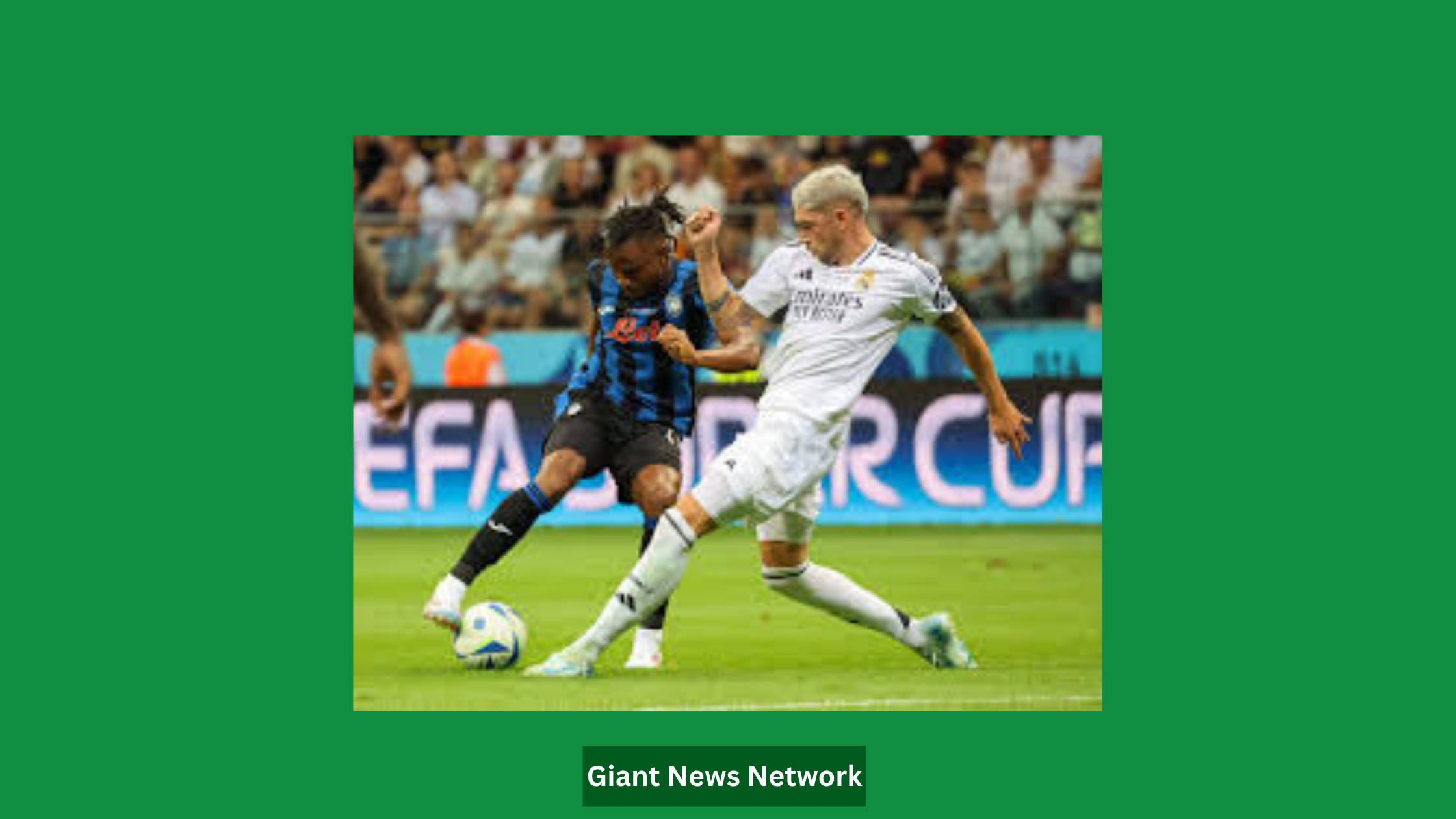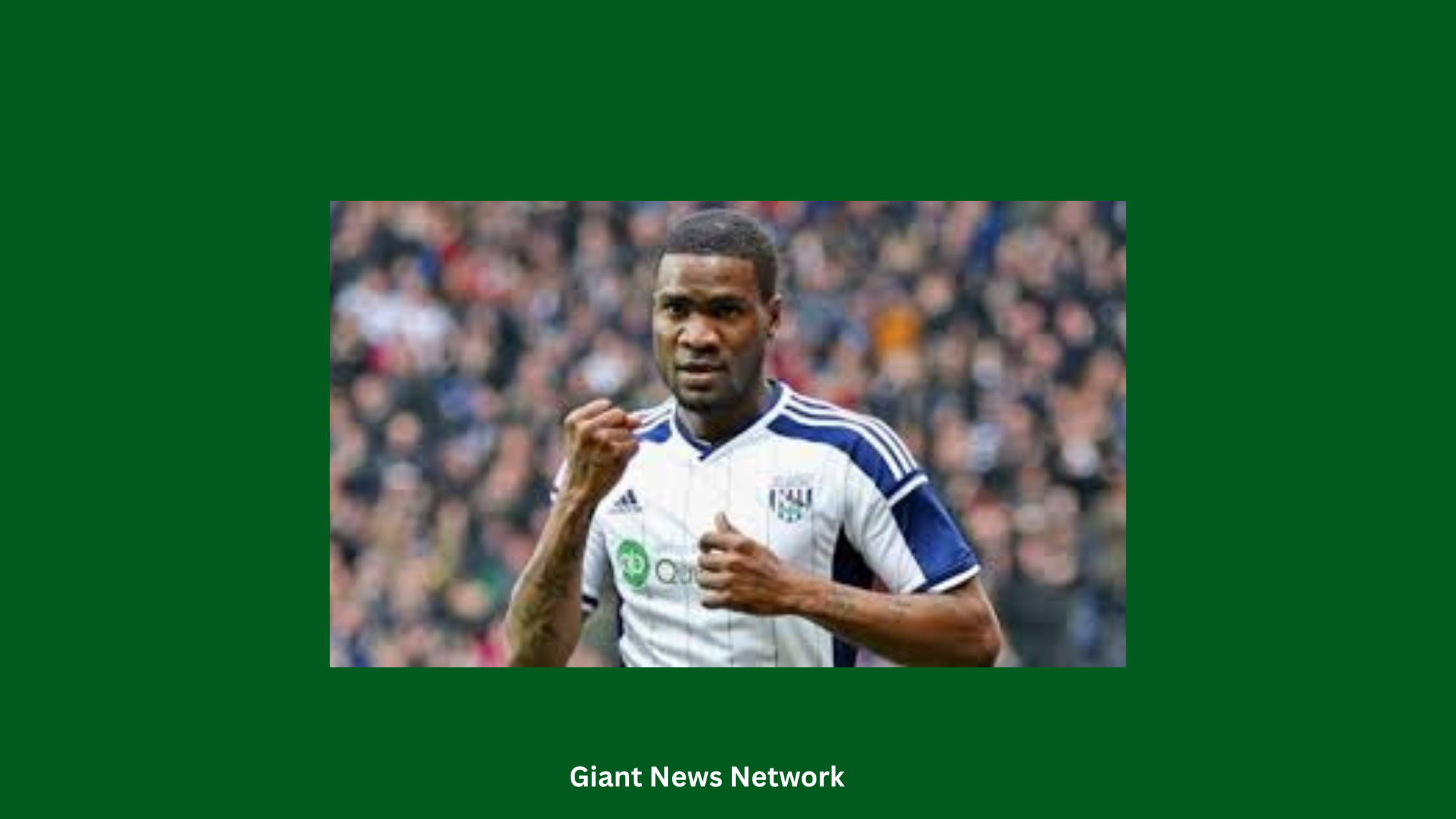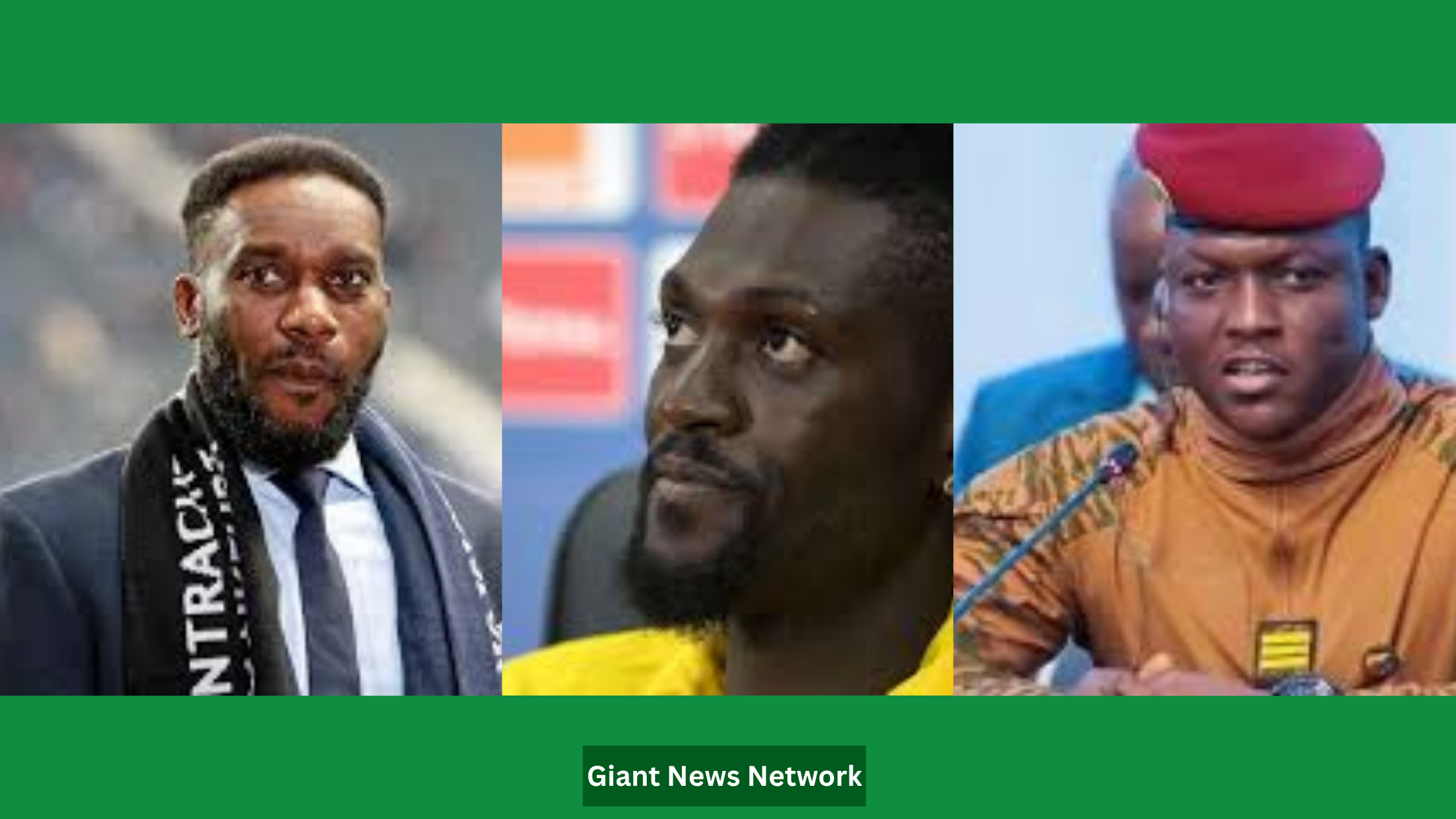
OUAGADOUGOU, BURKINA FASO — Former football stars Jay‑Jay Okocha, Taye Taiwo and Emmanuel Adebayor led a glittering charity exhibition match during the official reopening of Burkina Faso’s August 4 Stadium on August 4, 2025, hosted by President Ibrahim Traoré. The $300 million renovation now meets CAF and FIFA standards after a four‑year ban.
1. Historic Reopening & Presidential Touch
On August 4, Burkina Faso’s President Ibrahim Traoré personally commissioned the newly revamped August 4 Stadium, transforming it into a world-class venue. The facility has earned CAF approval as a Category 3 stadium, reinstating its eligibility to host international football matches following a four-year suspension. The project, valued at approximately $300 million, includes digital scoreboards, upgraded seating, VIP lounges, media areas, and an athletics track.
2. Charity Match of Legends vs. Security Forces
A star-studded exhibition match followed the inauguration, with African football icons Okocha, Taiwo, Adebayor, Samuel Eto’o, Seydou Keita, Charles Kaboré, Rigobert Song and Alex Song facing off against Burkina Faso’s Defense and Security Forces, led by President Traoré himself. Despite rain-soaked conditions, fans were thrilled by displays of legendary skill.
3. CAF Sanctions Lifted, National Pride Restored
CAF’s reinstatement of the stadium came after intense renovations. Since 2021, the venue had been banned due to safety and technical shortcomings. When CAF inspectors visited in July 2025, they confirmed compliance with standards, clearing the way for international fixtures as early as September, including a potential World Cup qualifier against Egypt on September 8, 2025.
4. Symbolic Milestone & Broader Vision
Prime Minister Rimtalba Jean Emmanuel Ouédraogo toured the site in May 2025 and noted that construction pace had exceeded expectations, with nearly 90% completed in just over half the projected time. He highlighted the stadium as a symbol of national recovery and youth empowerment under President Traoré’s progressive administration. The project also emphasizes sustainable management and infrastructure integrity, aiming to bring long-term benefits beyond football.
This dramatic resurrection of a once-dilapidated national landmark underscores Burkina Faso’s political resolve to rebuild civic pride under challenging security circumstances. The involvement of African football greats added emotional weight to the event, reinforcing football’s power to unite and inspire.
In a single day, Burkina Faso reclaimed its football identity. The August 4 Stadium’s resurrection—complete with CAF accreditation and an all-star match—signals a hopeful return of international football and national optimism. As the Stallions prepare for their first home fixture in more than four years, the stadium stands not only as a sporting venue but as a bold testament to transformation and ambition on Africa’s stage.
Will the stadium inspire regional tournaments, local talent, and renewed respect for Pan‑African sports spirit? Only time will tell—but this reopening is one for history.