Nigerian TikTok star Habeeb Hamzat (Peller) has sparked fresh drama after revealing that the master’s‑degree‑holding cameraman he paid ₦500,000 upfront was sacked just one week into the job—because the man expected free accommodation, carrying heavy baggage and entitlement into the role.
The ₦500K Master’s Spectacle
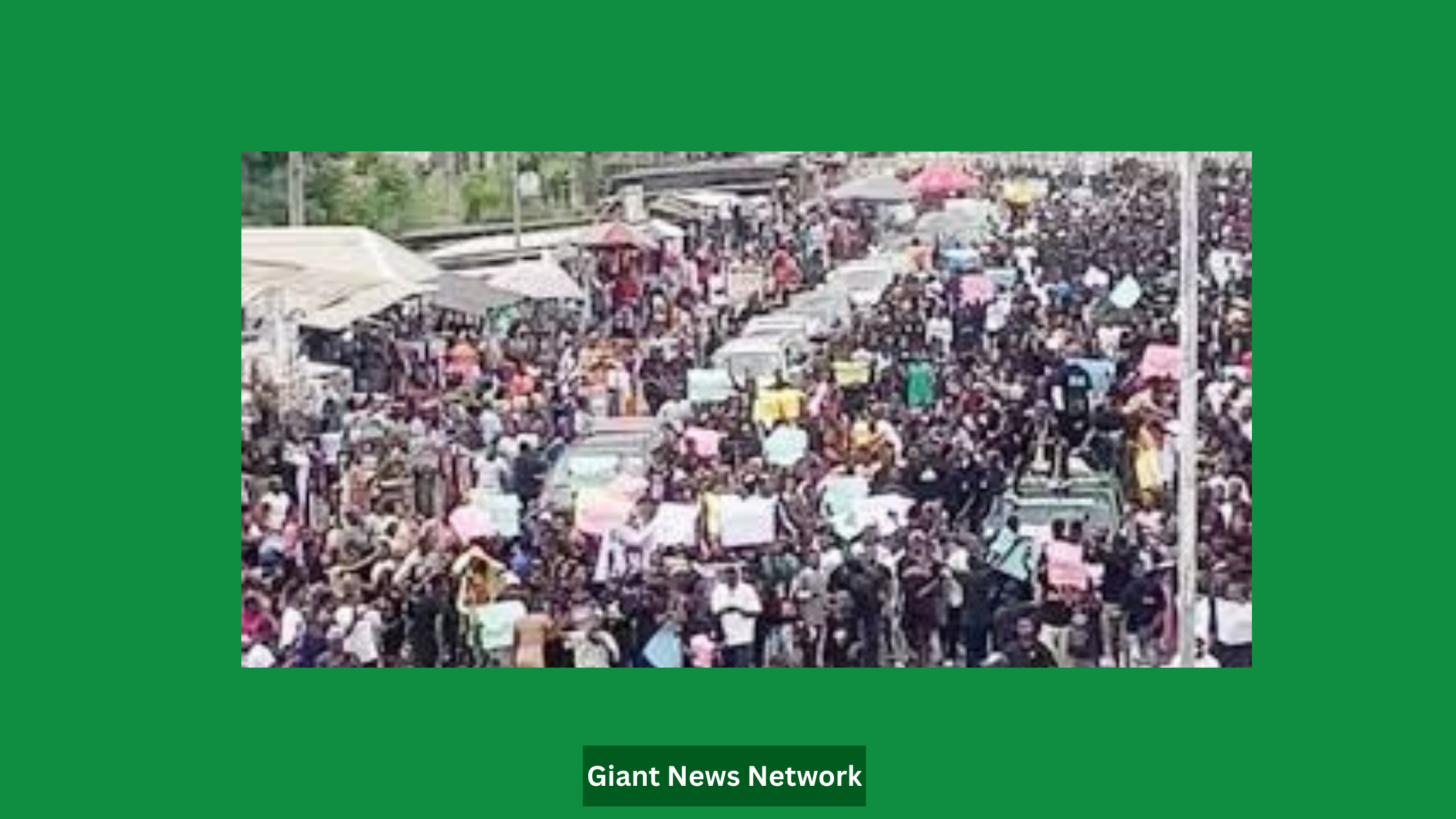
Earlier in July, Peller made headlines by announcing a ₦500,000/month cameraman position—but exclusively for candidates with a Master’s degree. Over twenty MSc holders showed up outside his Lagos studio, sparking nationwide debate. Critics accused him of using educated Nigerians for viral content and mocking their qualifications. Supporters, meanwhile, argued he was filtering for “serious” applicants.
One Week Later: Drama Begins
Peller later clarified that he actually employed one of the applicants and paid him the full ₦500,000 upfront. But within a week, the cameraman was shown the door—reportedly because he came with luggage, claimed he had nowhere to stay, and expected immediate housing. Peller said the demand felt like entitlement, not in the job description.
Clash Over Expectations & Respect
The streamer doubled down online, insisting he’s “uneducated” himself, but still insists on hiring those who respect boundaries. He defended the live-streamed interview, stating he informed applicants upfront it would be public and no one was forced to come. He labeled criticisms—including claims of racial or body-shaming—as misunderstandings of his joking style.
Social Media Uproar
Reaction was fierce. Some accused Peller of ridiculing highly educated job seekers desperate in a crippling economy. Others defended him, saying it’s his right to set demands, and highlighted that the pay was generous compared to many civil service salaries. Many pointed to a broken system where degrees don’t guarantee stability.
One applicant, Nkese, publicly complained she was mocked over her tribal background and appearance. Peller responded by calling it banter and reaffirmed that respect is key. He told critics: “Stop blaming me for your decision to show up. I told everyone it was live.”
Peller was born in May 2005 in Lagos. Despite not having formal tertiary qualification, he rose to fame through livestreams and TikTok, eventually becoming Africa’s most-viewed streamer. In 2024, he won “Best Content Creator” at the Trace Awards Africa. He now reportedly earns up to ₦20 million weekly through content monetization.
The saga is more than just a job gone wrong—it reflects Nigerian youth frustration, the value gap between education and opportunity, and how influencers exploit both. Peller’s bold move catapulted him into another wave of controversy, but it also exposed real tensions in today’s job market.
Is this a clever hiring strategy or a cruel publicity stunt?
Was the cameraman unreasonable—or disrespectful to omit boundary expectations?
Only Peller knows for now. But one thing is certain: in Nigeria’s digital age, content is king—even at the cost of dignity. Updates pending.