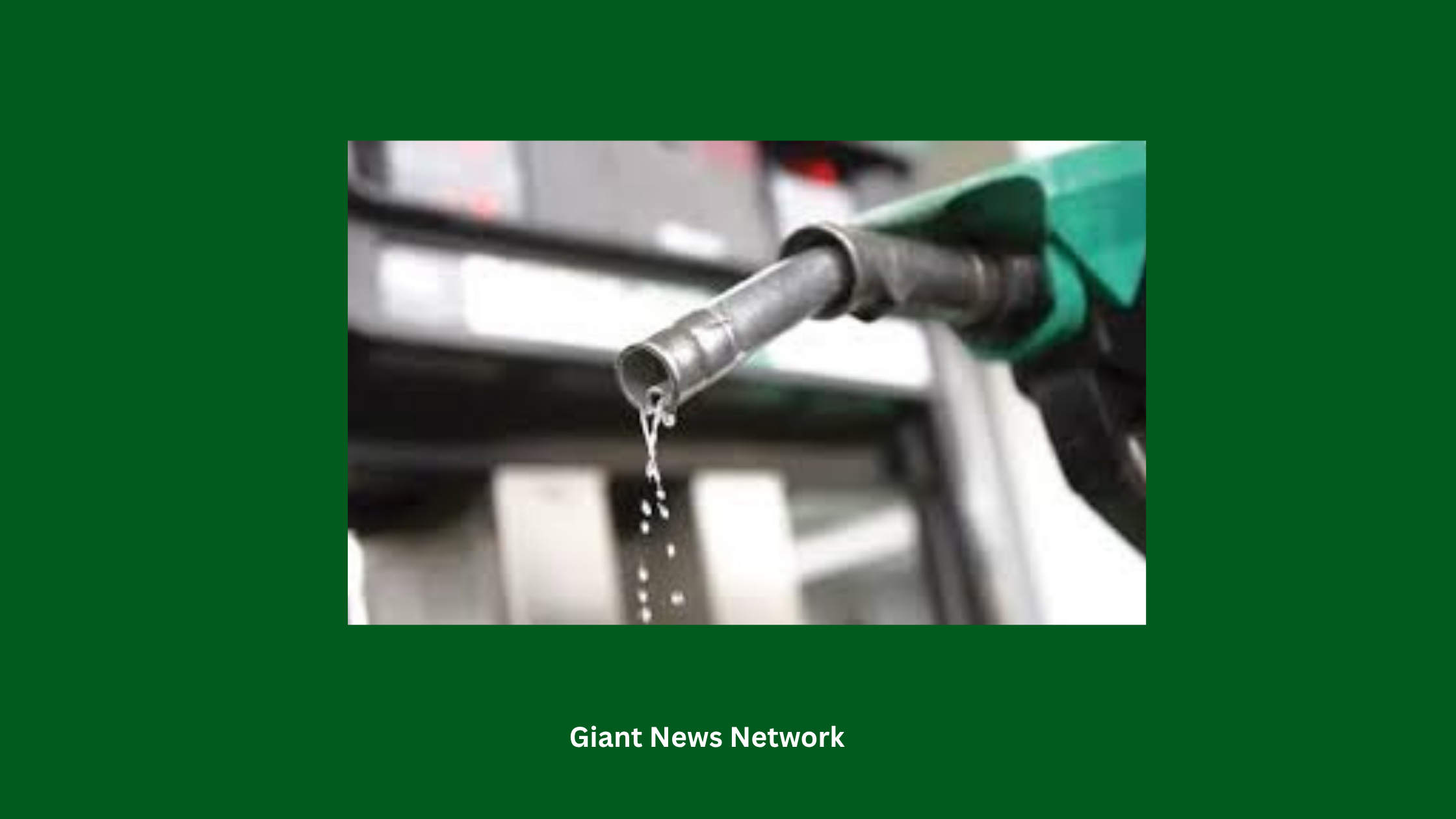
Amid mounting pressure over fuel costs, the Nigerian National Petroleum Company (NNPC) has reduced petrol prices across its filling stations, with a litre now selling for as low as ₦885. This follows a similar move by Dangote Refinery, which earlier cut its ex-depot prices, triggering a chain reaction in the downstream market. But behind the relief at the pump lies a deeper battle for pricing power, fuel distribution, and government regulation.
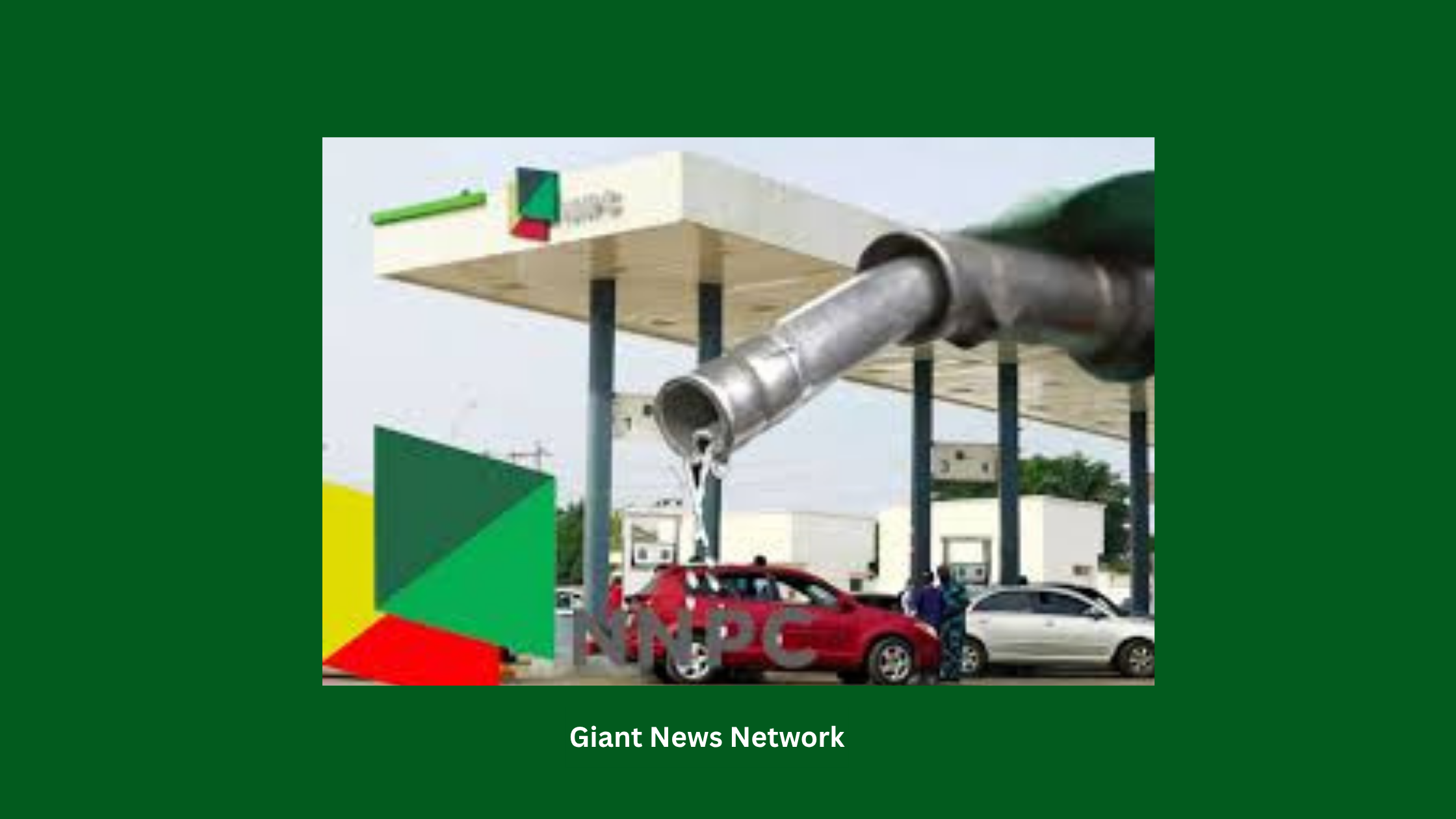
NNPC Slashes Prices at Stations
In a bold move to ease consumer burden, the NNPC has reduced the pump price of petrol to ₦885 per litre in major cities such as Lagos and Abuja. This marks a notable drop from ₦910 the previous day and from highs of ₦945 in some parts of the Federal Capital Territory (FCT).
Field reports confirmed that the new rate applies across several NNPC-operated outlets. For instance, petrol is now sold for ₦935 per litre at select stations in Lugbe and Airport Road in Abuja. This ₦35 reduction is expected to create ripple effects in other private retail stations.
Dangote Refinery: The Real Trigger?
The NNPC’s move comes shortly after Dangote Refinery reduced its ex-depot price from ₦880 to ₦840 per litre, citing falling crude oil prices as the key reason.
In a statement signed by Chief Branding and Communications Officer, Anthony Chiejine, Dangote confirmed the new pricing took effect from Monday, June 30, 2025.
The refinery’s price cut has not only boosted competition but also shifted market expectations.
New Distribution Deal: Sunbeth Steps In
On the heels of the refinery’s move, Sunbeth Energies Limited announced a new deal to distribute Dangote fuel nationwide. The company, in a Sunday statement, described the agreement as a “major leap” that positions it among Nigeria’s leading energy suppliers.
“This partnership with Dangote Refinery is not just a deal — it’s a signal,” the company said. “It proves our operational credibility and our long-term goal to strengthen Nigeria’s energy future.”
Market Confusion: Marketers Demand Clarity
As pump prices continue to fluctuate, independent marketers are pushing for regulatory intervention.
Legit.ng reports that growing agitation has prompted the Federal Government to schedule a stakeholder summit, set for July 23–24, 2025. The event, organized by the Nigerian Midstream and Downstream Petroleum Regulatory Authority (NMDPRA), will focus on price stability, supply efficiency, and sustainable profit margins.
Francis Ogaree, NMDPRA’s Executive Director for Hydrocarbon Processing Plants and Infrastructure, confirmed the dates during the just-concluded 24th Nigeria Oil and Gas Energy Week in Abuja.
A Fragile Balance: Rising Revenue, Rising Debts
Though the pump price drop comes as a relief to citizens, experts warn of underlying issues. Dangote’s price cut, while welcome, puts pressure on other marketers already battling thin profit margins due to logistics and foreign exchange volatility.
With Nigeria’s economy still adjusting to subsidy removal, devaluation, and inflation, questions remain about how long current price levels can be sustained — and whether further price crashes are economically viable.
Experts Speak
Teslim Shitta-Bey, Chief Economist at Proshare Nigeria, noted:
“What we’re seeing is a fragile deregulated market where forces of competition — not policy — are temporarily in control. But without a stable framework, this kind of pricing war can only go so far.”
Similarly, economist Adewale Abimbola warned that without a pricing framework, Nigeria risks “pricing chaos” that could affect investment in the sector.
For now, Nigerians are enjoying cheaper petrol, thanks to a market-led price drop. But with the fuel summit approaching, the bigger question is whether this deregulated freedom will last — or if another wave of pricing instability is just around the corner. What’s clear is that the energy war between state and private players is heating up. And ordinary Nigerians, once again, are caught in the crossfire.