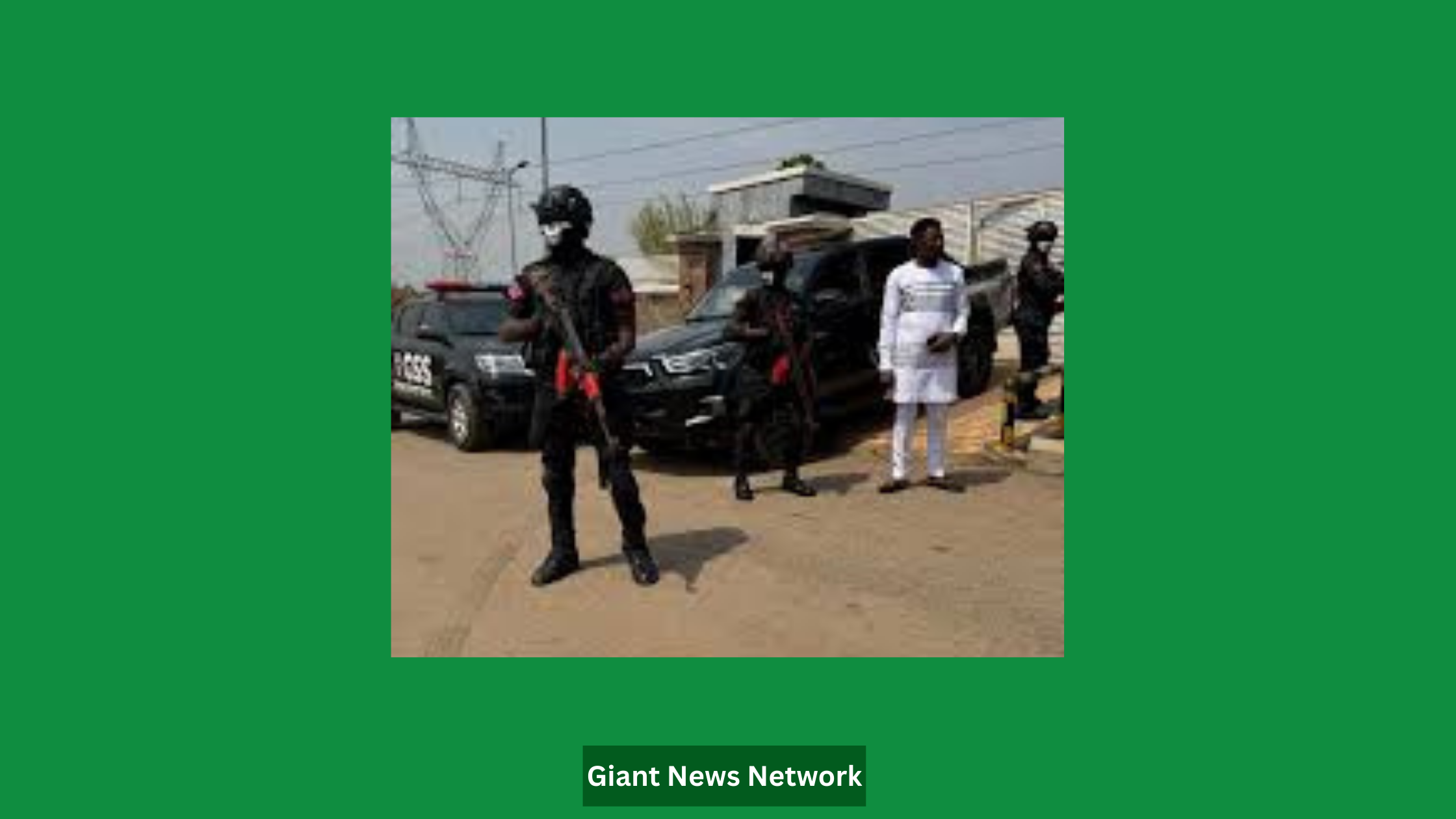
This isn’t a one-off. Just earlier this year, Nigerians blasted a viral clip of a police officer opening a car door for a flamboyant Abuja pastor. Instead of discipline, it sparked online debates about whether the police are now “official ushers for the powerful.”
Some observers even joked: “Soon, police go dey serve communion.”
From politicians’ campaign convoys to celebrities’ photoshoots, the Nigerian police uniform is slowly turning into a rental costume. As one social media user quipped:
“The same police that disappears when armed robbers strike suddenly appears when politicians want to post on Instagram.”
It’s like justice is being subcontracted—to the highest bidder.
Here’s where the conspiracy theory sneaks in: are these scandals signs that the police are no longer answerable to the people—but to a shadowy class of paymasters? Every viral video paints the same story: while ordinary Nigerians beg for security, the powerful are flaunting their own “private armies” in public.
And don’t forget—the more these embarrassing clips leak, the more it looks like someone is deliberately exposing the force to weaken its credibility. Could it be rivals in government? Could it be foreign actors who benefit from a weak Nigerian state? The whispers are out there.
At the end of the day, it’s everyday citizens who pay the price. Armed robbers, kidnappers, cult gangs—nobody gets stopped because the men in uniform are busy chasing tips and posing for VIP TikToks.
And here’s the bitter joke: the only people “protected” in Nigeria are the ones who can already afford it. Everyone else? God help you.
From Asaba to Abuja, these viral moments are more than embarrassment—they’re signals of a broken system. Until the police stop serving as errand boys for the rich, ordinary Nigerians will remain defenceless.
The question is—who is exposing these clips, and why? Maybe the real fight isn’t just about corruption—but about who controls the narrative of Nigeria’s security.