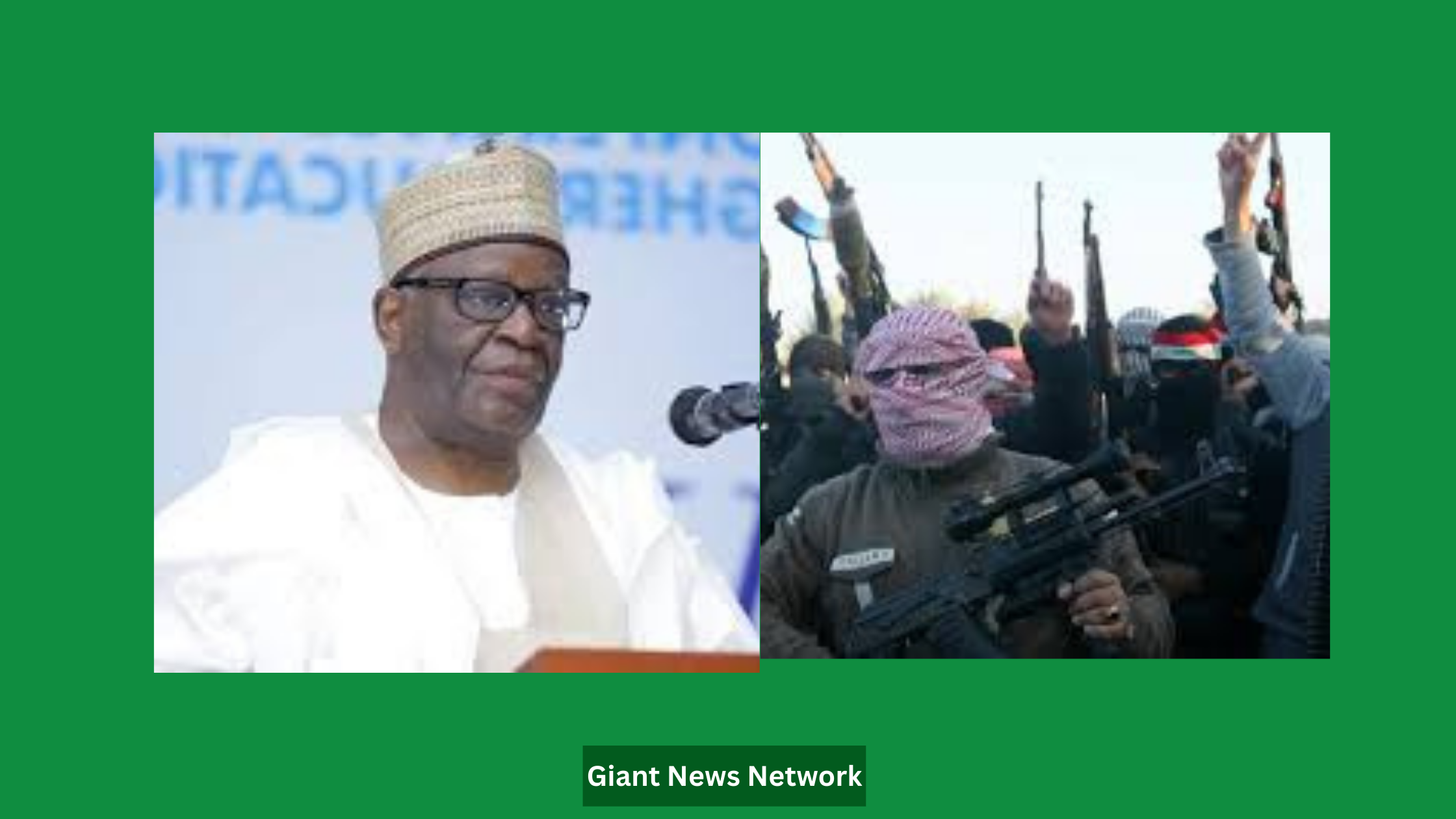
At the 2025 African Chiefs of Defence Staff Summit in Abuja on August 25, former Chief of Staff to late President Buhari, Professor Ibrahim Gambari, dropped a jaw-dropping revelation: over 1,000 deadly insurgent groups are now active across Africa. His bold warning came with a call for African nations to first secure their own borders before building continental defense structures—raising eyebrows and conspiracy buzz across diplomatic circles.
]
Gambari’s revelation wasn’t just another statistic—it was a cold, hard stare down reality. Amid global concerns over insurgency, his claim that 1,000+ guerrilla and terrorist groups now roam through porous borders signaled a fragmented and volatile security landscape. He urged leaders to strengthen local defense industries and invest in home-grown security architectures.
Adding a chilling layer, Gambari—drawing from his decades of diplomatic insight—noted a grim upward trend: armed conflict deaths across Africa have surged from 50,000 to 400,000 between 2004 and 2024, a nearly eightfold increase.
Meanwhile, militant Islamist groups continue to tighten their grip: over 22,000 deaths linked to jihadist violence in just the last year, especially in hotspots like the Sahel, Somalia, and the Lake Chad Basin. Insurgent activity has claimed tens of thousands over the past decade.
Now, for the spiciest twist: some analysts are asking—is this sheer weakness of African states, or deliberate sabotage from within? Could these groups be covertly funded or protected by shadowy elites to destabilize democratic governments?
Perhaps Gambari’s warning doubles as a whistleblow on political profiteering from chaos—or a coded plea for regional unity against a hidden enemy.
It’s not just talk. In Benin, jihadist groups like JNIM and ISGS now control parts of national parks and towns—spilling into coastal West Africa.
In Nigeria, radical groups like the Lakurawa are staging brazen attacks, including the devastating July 2025 raid in Sokoto State that left many dead.
In the Sahel, terrorist groups sustain high death tolls year after year, with Burkina Faso and Mali bearing the brunt—highlighting how widespread the chaos truly is.
Gambari’s revelation is more than a national security statement—it’s a siren call. Africa is battling degenerating insurgency not just on borders, but within political systems and possibly global power plays. The idea of 1,000 militant cells is terrifying—but the real trouble may lie in how deep the roots go.