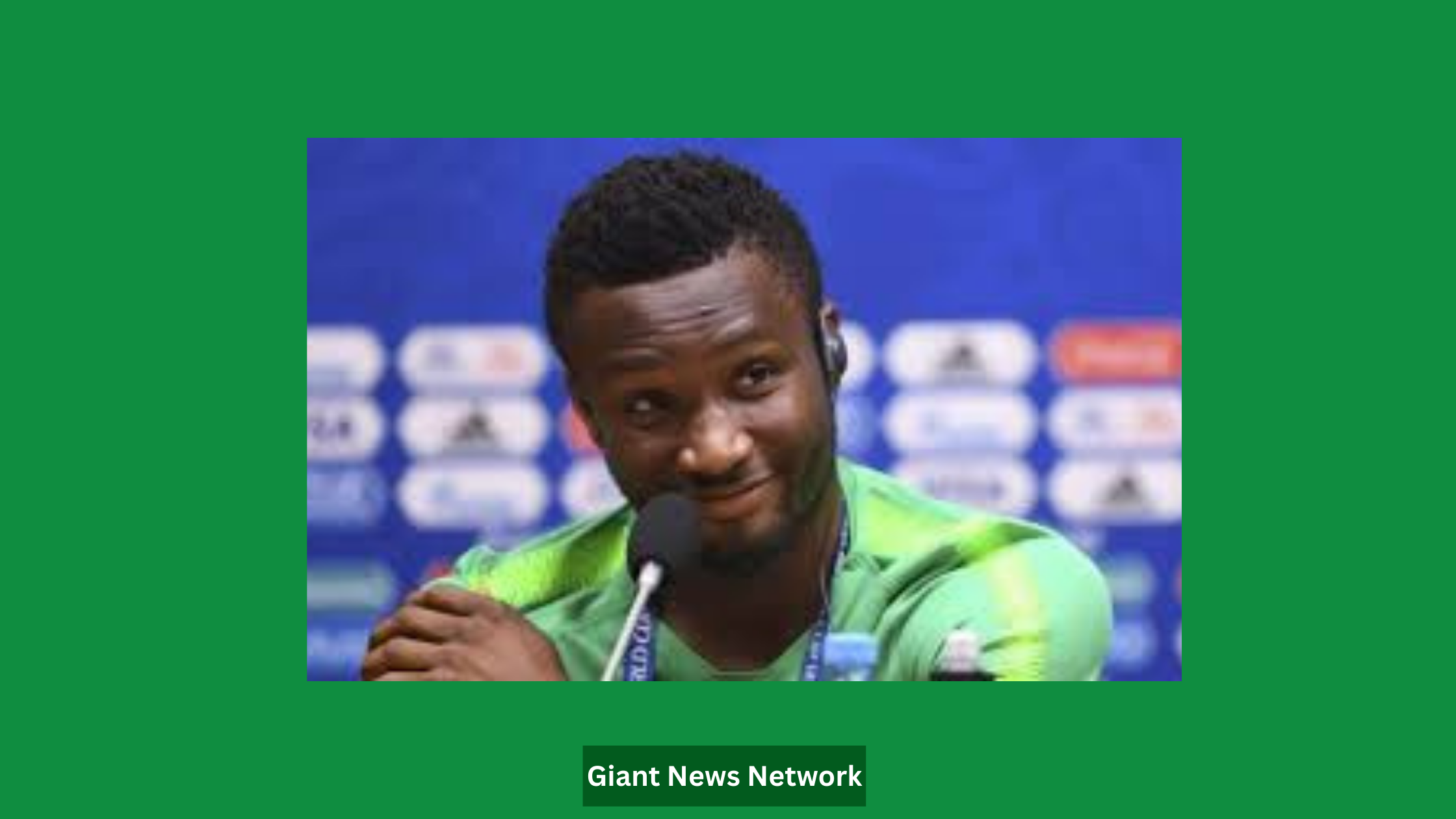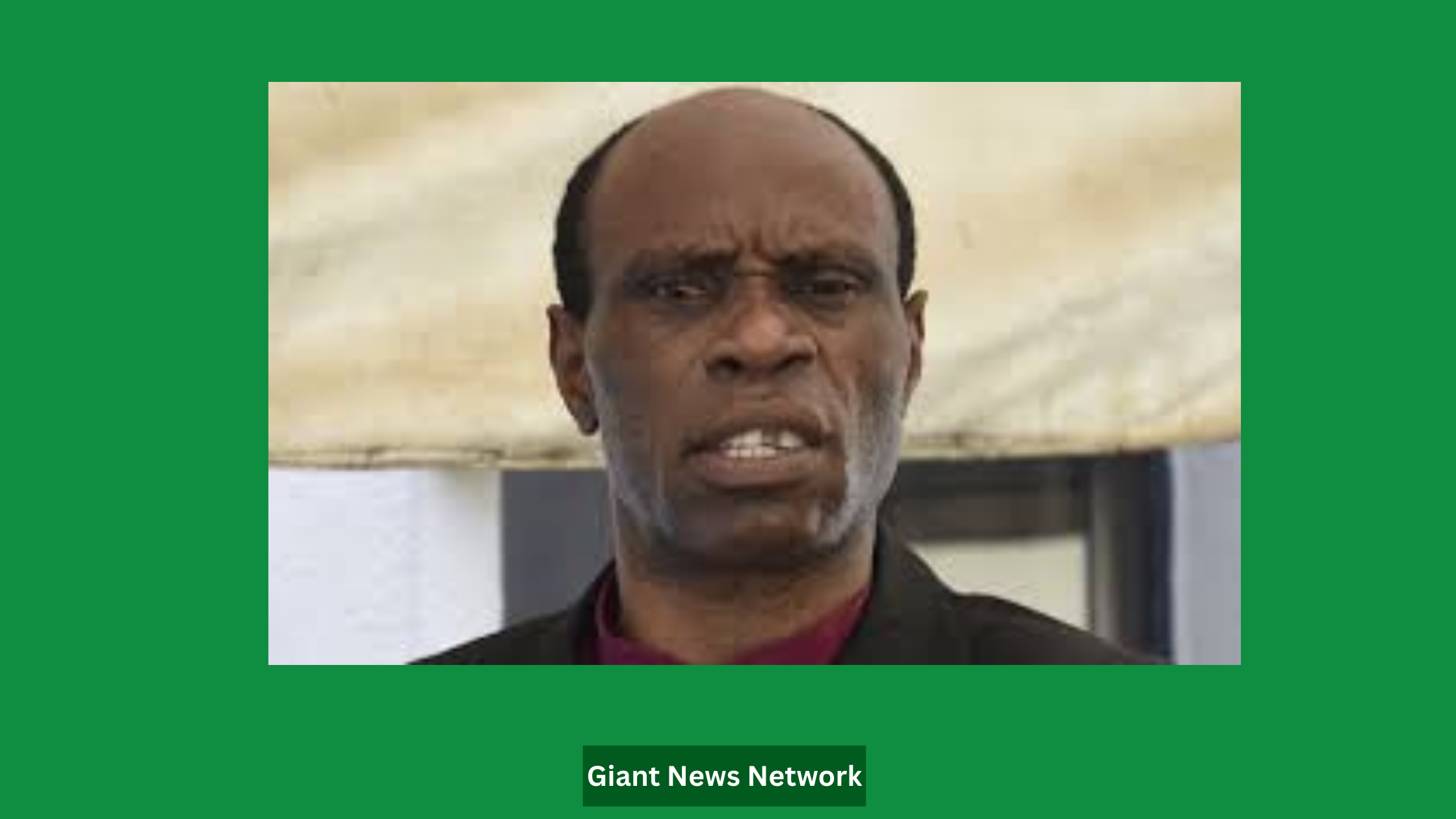
Former Super Eagles defender Taribo West has taken aim at Nigerian football authorities, accusing them of abandoning the families of late football legends. His outburst followed the burial of former national team goalkeeper, Peter Rufai, in Lagos on Friday.
In a video from the event, the former Inter Milan star spoke with raw emotion, condemning both the Nigeria Football Federation (NFF) and the Lagos State Government for allegedly leaving Rufai’s family to struggle alone.
“What Kind of Nation Is This?”
Taribo described the neglect as shameful and deeply personal, admitting that Rufai’s death touched him in a way even his parents’ passing did not.
“It’s disheartening that you have Lagos State, you have the Nigerian Football Association. They drop the bulk on the family. I felt in my spirit that there is nothing to put your life for. That’s why I say I have to shift back so that I will not implode. It’s grieving.
My mother passed on, I never shed tears. My father passed on in my hands, I never shed tears. But when Rufai passed on, I had goose pimples on my body. Every individual I spoke to, there were tears rolling down my cheeks. What kind of nation is this?”
A Pattern of Neglect
West did not stop at Rufai’s case. He linked the situation to how other Nigerian football icons — Stephen Keshi, Rashidi Yekini, and Thompson Oliha — were treated after their deaths. According to him, the failure to honor these men sends a dangerous message to younger generations.
“With this kind of example, I will never advise even my son to put his feet for this country. Send me out! Do we have a Football Federation or do we have a Football Association in Lagos State? That this hero, this soldier, this football evangelist, has to be treated this way in his family.
Could you imagine that the family would be crying just to solicit within our groups to ask for money? That is madness.”
Rufai’s Legacy
Peter Rufai, popularly known as “Dodo Mayana,” was Nigeria’s first-choice goalkeeper during the nation’s golden era. He played a pivotal role in the Super Eagles’ 1994 Africa Cup of Nations victory and stood between the posts when Nigeria made its World Cup debut that same year.
He died in July 2025, leaving behind a legacy that shaped Nigerian football history — but, as Taribo bitterly pointed out, little institutional support for his grieving family.
A Familiar National Shame
Taribo West’s fiery remarks reopen an old wound in Nigerian football — the repeated failure to care for its heroes once their glory days are over. His words now force a difficult question back into the national conversation: How many more legends must die before Nigeria learns to honor those who gave everything for the green and white?