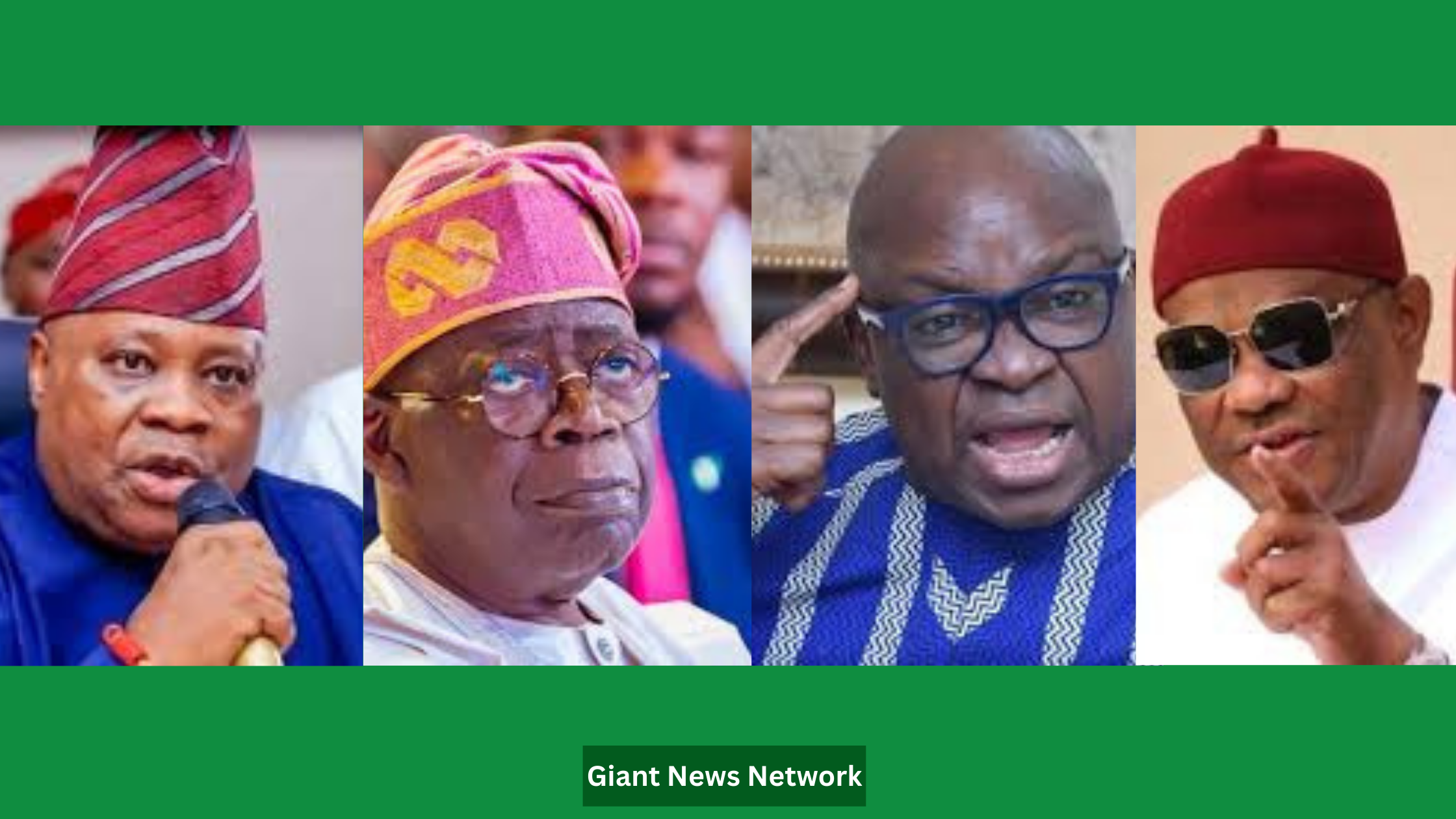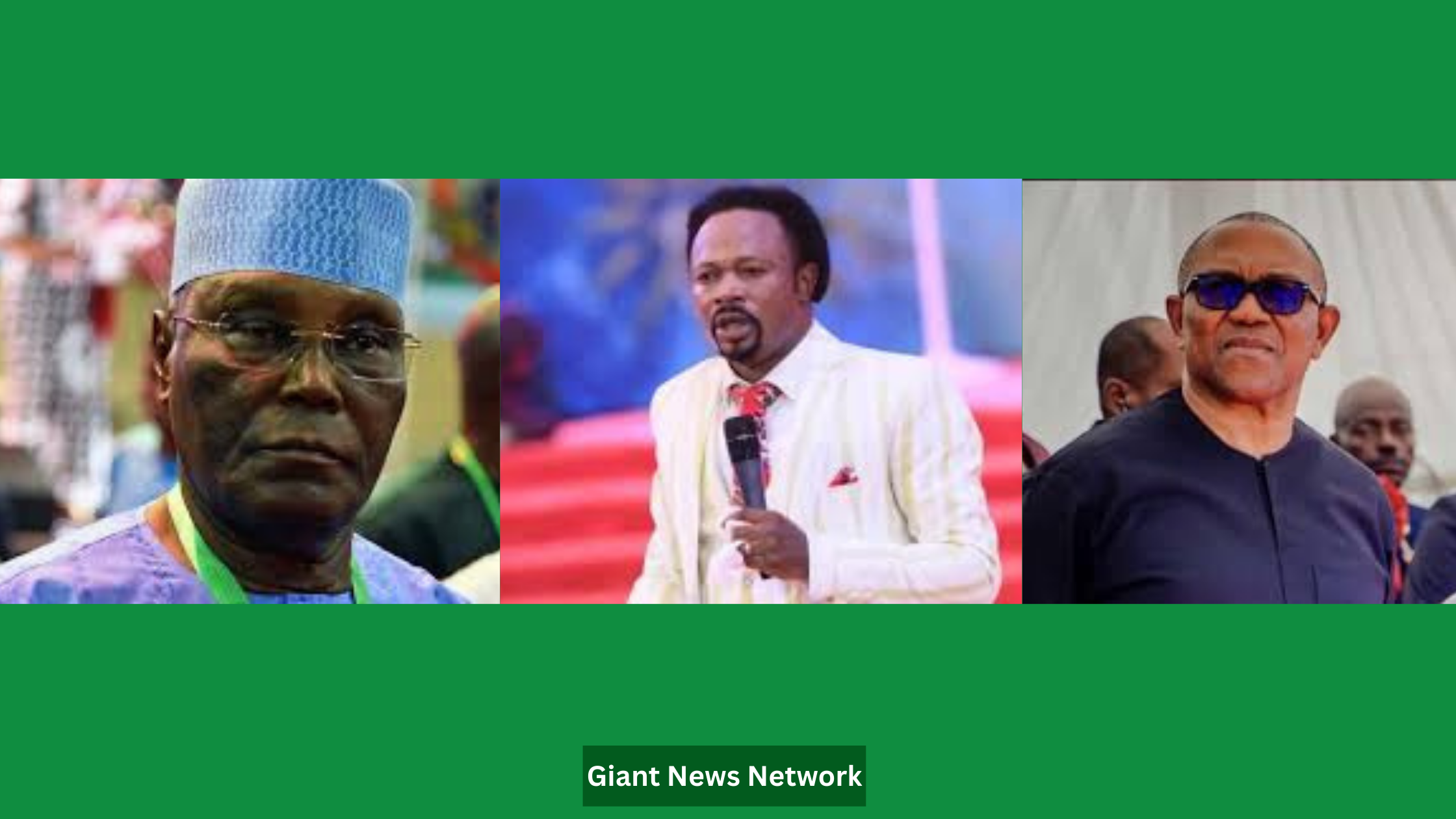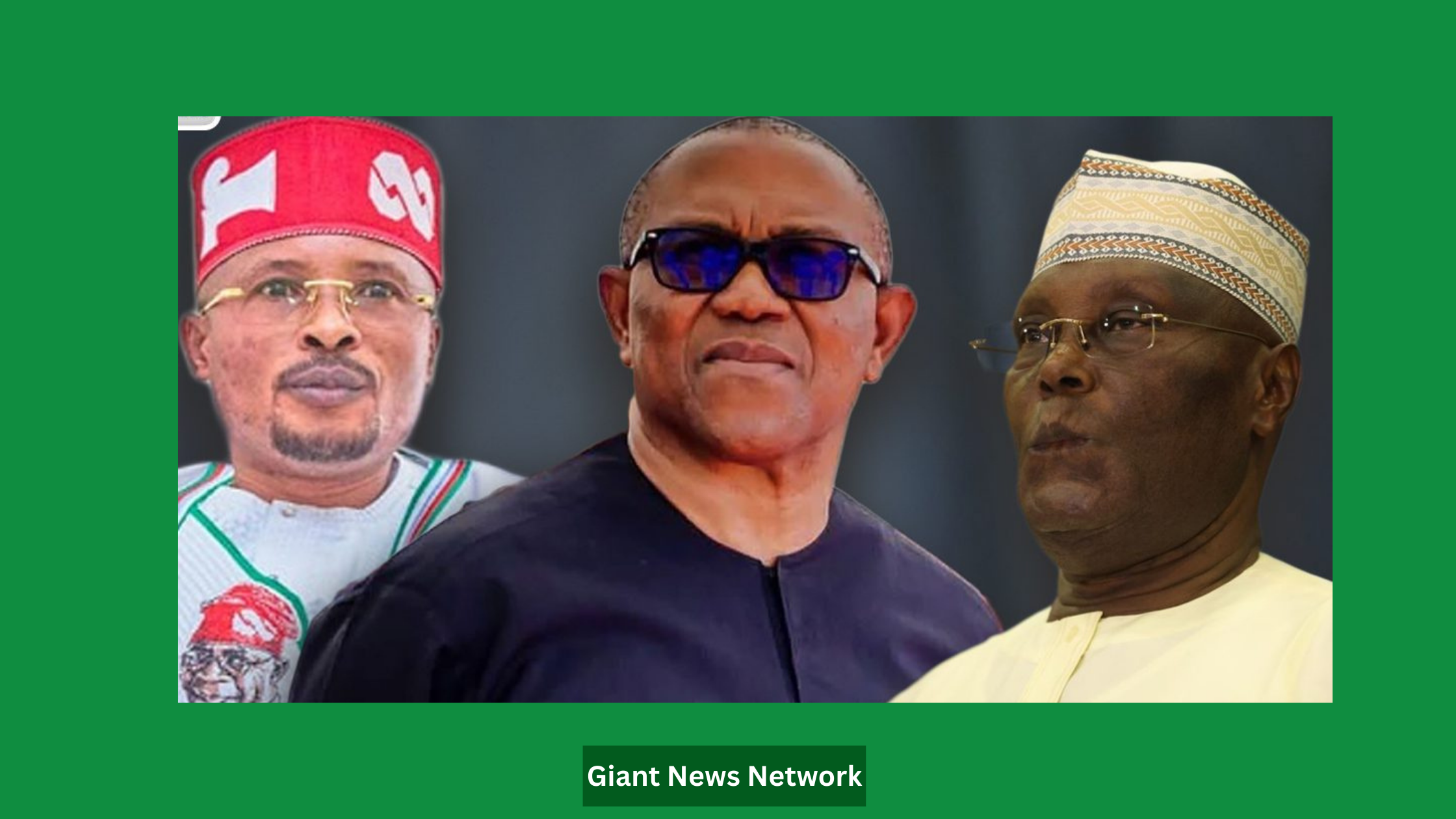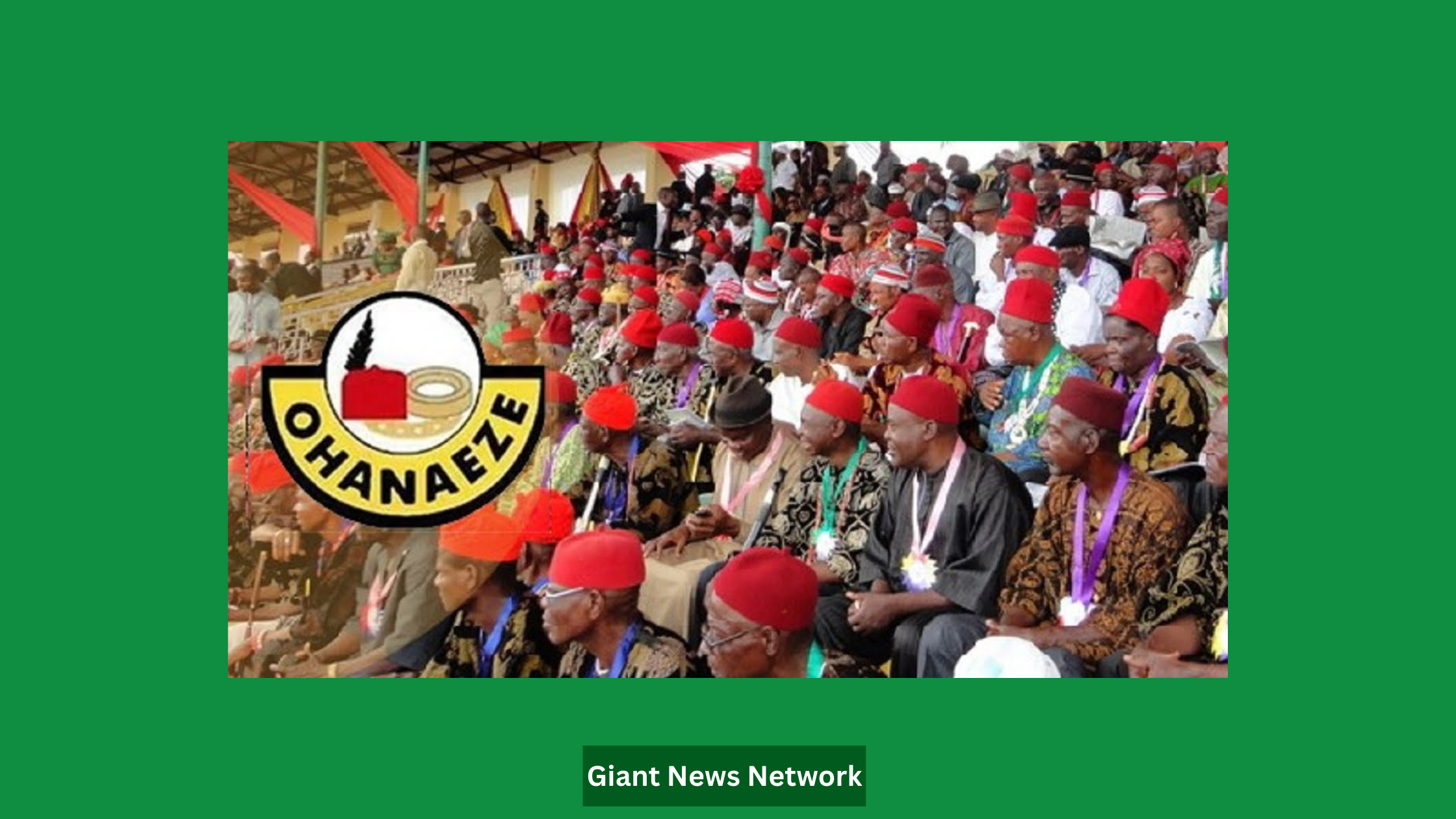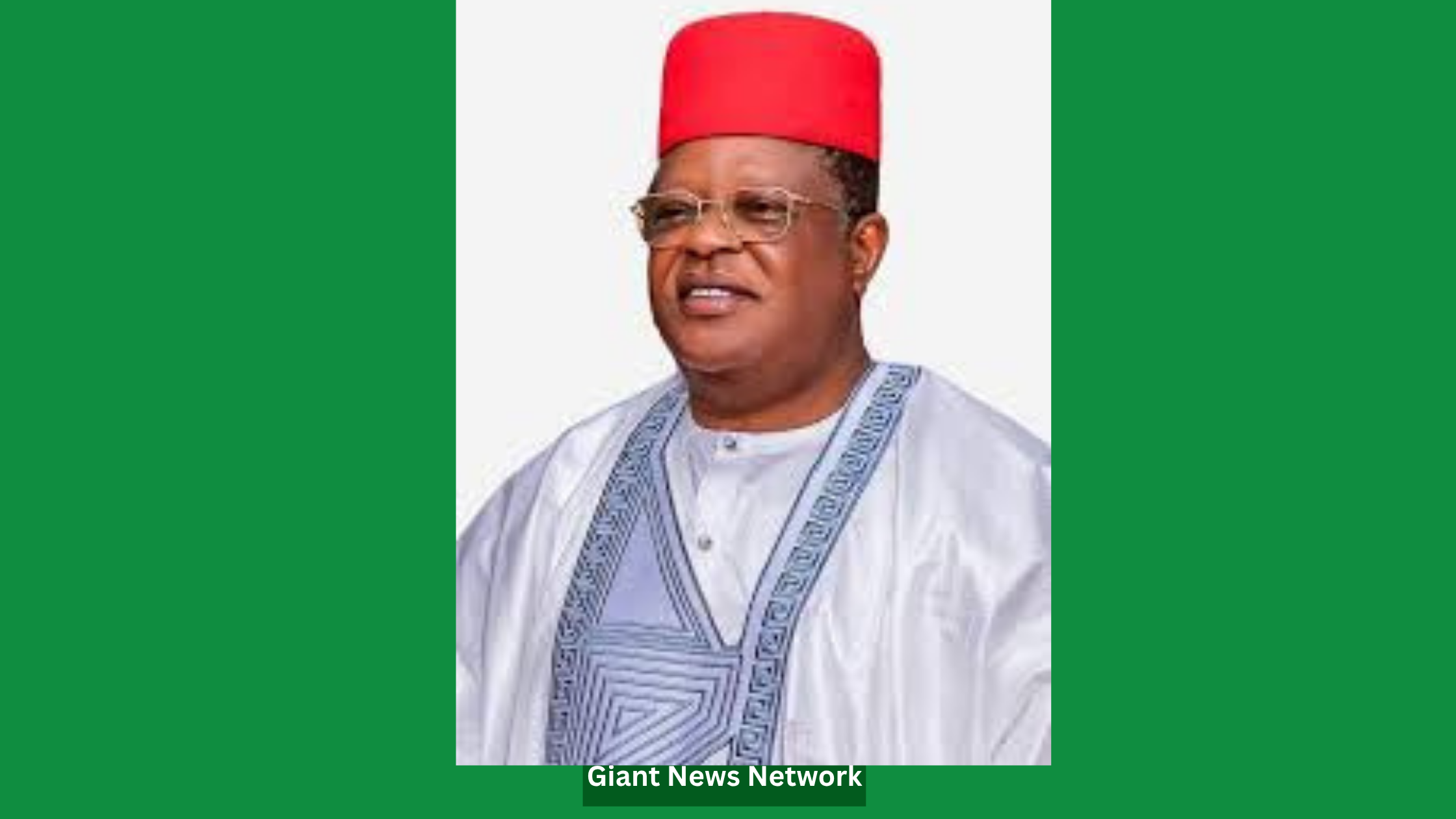
FCT Minister of Works, Dave Umahi, has made a bold call to the South-East to shelve hate‑driven politics and misinformation—and instead back President Bola Tinubu’s 2027 re‑election. Umahi asserts this support is a strategic step toward achieving an eventual Igbo presidency.
In a statement released on August 4, 2025, Umahi warned the South-East to reject what he termed “darkening counsel without knowledge”—political narratives that mislead the region into false hopes of an Igbo presidency in 2027. He emphasized: support Tinubu now to cement lasting goodwill that may one day bring power home.
Demanding Massive Support
Umahi stressed that Tinubu needs at least 90% of the South-East votes to affirm his commitment to the region and forge stronger unity. According to him:
“We must not be deceived again… Mr. President must have the votes of South East up to 90 per cent… We must rise to educate our people.”
Project Boom in South‑East
Highlighting federal achievements, Umahi spoke of transformative infrastructure developments: the Second Niger Bridge, Port Harcourt–Enugu road, Enugu–Abakaliki, Onitsha–Owerri, and other key routes. He noted that all five South‑East governors, regardless of party, are aligned in supporting Tinubu—with plans underway for a regional summit to formalize the 2027 endorsement.
Umó adds that offering unity and cooperation is not surrender, but practical politics—urging former Anambra governor Peter Obi and other regional leaders to join the movement, saying:
“Leadership is not about self—it’s about the people. If someone else is already doing what you would have done… support him.”
No Condition on Kanu
When asked about the controversial IPOB leader Nnamdi Kanu, Umahi clarified that his release shouldn’t be used as a condition for South-East’s support. He expressed faith in dialogue and divine mercy for resolution, not political bargaining.
Umahi’s statement is a provocative mix of pragmatism and political realism—urging the South-East to play long game instead of chasing short-term symbolic wins. His narrative urges the region to reject emotionally charged politics and rally behind President Tinubu’s 2027 ticket as a route to integration and eventual representation. As the crackling pundit landscape unfolds, the question remains: will the South-East embrace this vision or continue to chase the presidency dream in 2027?