Nigeria’s international mobility crisis deepened this week after the United States, United Arab Emirates, and the United Kingdom rolled out tougher visa policies for Nigerian citizens. In swift response, the Federal Government (FG) has expressed concern, calling the US visa restrictions “disproportionate” and urging reconsideration in the spirit of mutual respect.
America’s Clampdown – New Visa Terms Rattle Nigerians
In a shocking move announced Tuesday, July 8, 2025, the United States government reduced the validity of key non-immigrant visa categories—including B1/B2 (tourist/business), F (student), and J (exchange)—to just three months, single-entry for Nigerian citizens.
The revised policy was issued by the US Department of State and applies to all new visas issued from that date. Existing long-term visas remain valid until their expiry.
Nigeria Responds with Diplomatic Alarm
Ministry of Foreign Affairs spokesperson, Kimiebi Ebienfa, in a strongly worded statement, warned that the US policy “undermines longstanding people-to-people ties” and risks “hampering educational and cultural exchange.”
“The policy appears misaligned with the principles of reciprocity and mutual respect that should guide bilateral engagement,” the statement read.
In a follow-up meeting, Interior Minister Olubunmi Tunji-Ojo and top officials met with US Ambassador Richard Mills Jr. to demand clarifications and a diplomatic fix. The talks touched on visa security, overstays, and document integrity.
UAE Tightens Noose – Dubai No Longer Easy for Nigerians
In what appears to be coordinated global pressure, Dubai authorities have also raised the bar for Nigerian travellers.
According to new rules:
- Nigerians aged 18 to 45 cannot apply for tourist visas unless traveling with family or groups.
- Those above 45 must submit bank statements showing a monthly balance of $10,000 for the last six months.
Travel agents warn this move could effectively choke off most casual travel from Nigeria to the UAE — a favourite destination for business, medical, and leisure tourism.
UK Goes Digital – eVisas Replace Stickers for Work & Study
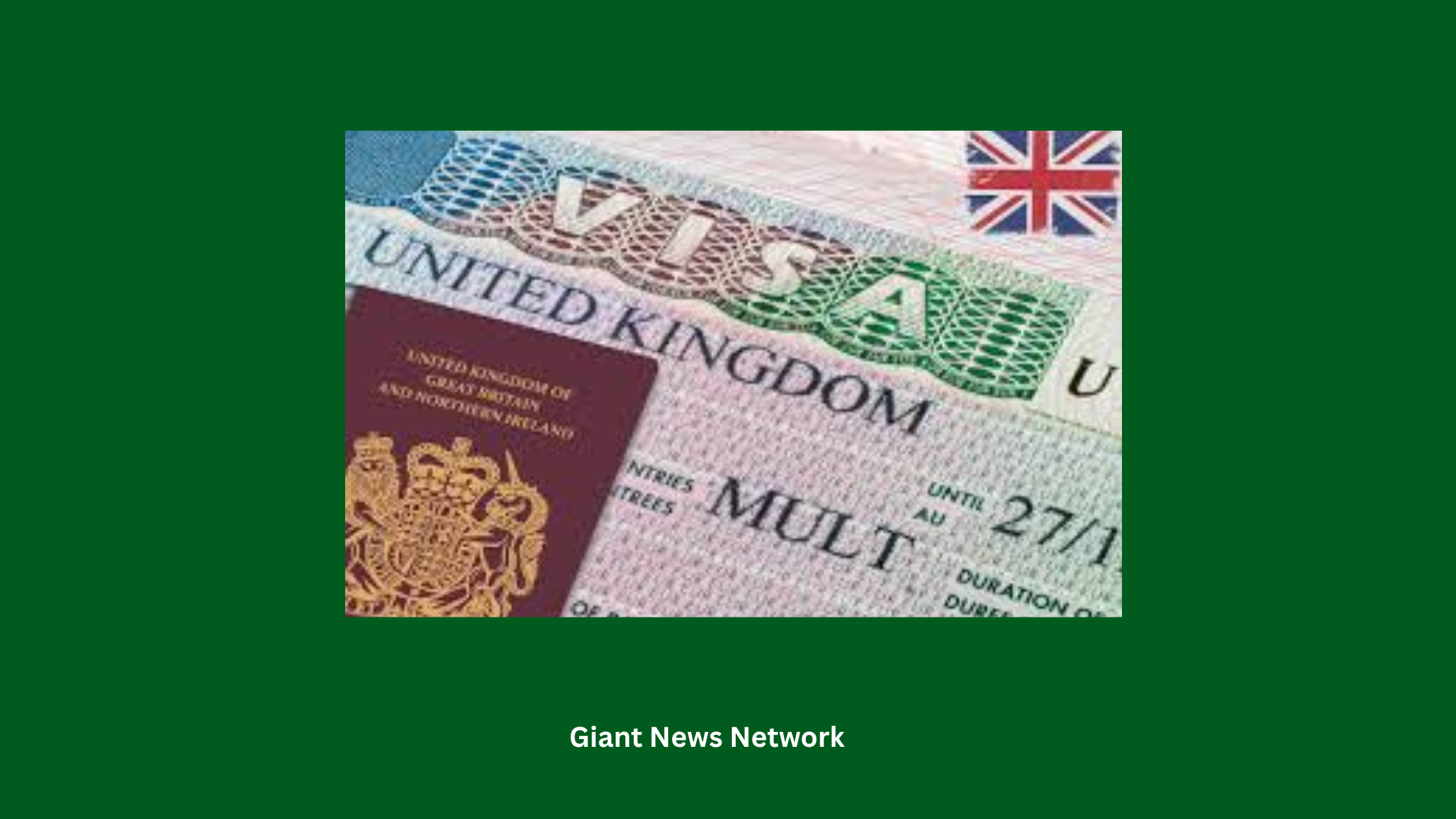
On Wednesday, the British High Commission in Abuja unveiled another change: starting July 15, 2025, Nigerians applying for work or study visas will no longer receive physical visa stickers. Instead, they’ll be issued digital eVisas linked to an online UKVI account.
While the change is pitched as modernisation, many applicants fear delays and technical hitches.
“It’s part of the UK’s shift toward a fully digital immigration system,” said UK Chargé d’Affaires Gill Obe.
Opposition Slams FG – “Your Failures Are Embarrassing Us Abroad”
The Labour Party and NNPP didn’t hold back.
LP’s Deputy National Chairman, Dr. Ayo Olorunfemi, called the visa backlash a result of Nigeria’s deteriorating global reputation and governance failure.
“Our people are fleeing because the government has failed them,” he said.
“The ‘Japa’ wave is not by accident. This is the result of hardship and insecurity. Why should other nations not defend their borders?”
NNPP’s Ladipo Johnson added that Nigeria’s failure to appoint ambassadors or clarify its foreign policy has worsened its image.
“It’s a wake-up call. The world is watching how we govern—and clearly, they are not impressed,” Johnson said.
Mixed Reactions – BRICS, Buhari Loyalists, and Trumpism
The debate also exploded online.
- Dele Momodu linked the crackdown to Tinubu’s BRICS alignment.
- Bashir Ahmad, a former Buhari aide, hinted that Western discomfort with Nigeria’s global realignment may be behind the US visa cut.
“This is not just reciprocity—it’s a reflection of how Nigeria is shifting geopolitically,” Ahmad wrote.
FG Insists – Relations with US Still ‘Very Strong’
Presidential spokesman Daniel Bwala played down fears of a diplomatic fallout.
“This is not about governance failure. The US still maintains strong relations with Nigeria,” Bwala insisted.
He admitted that Nigeria is “reviewing” the policy and working toward a fix but denied any breakdown in ties.
Analysts Warn – More Restrictions Coming If FG Fails To Act
Foreign affairs analyst Charles Onunaiju said the policy reflects a global shift toward inward-looking nationalism, especially in Trump-era America.
“Nigeria must not overreact, but rather diversify its diplomatic partnerships,” he advised.
“Global frustration with our internal chaos is real, and we’ll see more of this unless we fix home first.”
Ambassador Rasheed Akinkuolie also called the US move “temporary and tactical” but advised the FG to apply reciprocal pressure to balance the scales.
Nigeria at a Diplomatic Crossroads
With students, tourists, and professionals now caught in the crossfire of global immigration crackdowns, one thing is clear: Nigeria’s global image is in crisis. And unless urgent steps are taken — not just diplomatic rebuttals, but genuine reforms — more doors may soon begin to close.
“The world won’t wait for us to fix our house,” warns the opposition.
And for many young Nigerians? “Anywhere but here” still feels like the only plan.