In a harrowing sequence of events, on July 29, 2025, a stray elephant from a government-held forest reserve in Imobi, Ijebu East LGA of Ogun State attacked and killed a farmer, confirmed by Forestry Commissioner Taiwo Oludotun. Simultaneously, in Adamawa State on July 28, 2025, displaced hippopotamuses — forced from their habitat near the Kiri Dam due to severe flooding — killed a young man in Banjiram community, Guyuk LGA. Two tragedies, one clear cause: systemic failure.
Elephants on the Rampage in Ogun
Community members in Imobi and surrounding settlements have long endured frequent elephant incursions. These gentle giants, forced out of the Omo Forest Reserve by habitat destruction and illegal human activity, regularly trample farmlands and endanger locals. Legislators in Ijebu East LGA have repeatedly raised the alarm: farmlands destroyed, farmers injured or killed—but no concrete government response.
It’s not the first marauding elephant in Ogun. In previous years, elephants caused multiple injuries and at least one fatality; poachers also shot at elephants in retaliation, sparking conservation outcry. Yet today’s killing in Imobi marks a tragic escalation.
Hippo Havoc in Adamawa After Floods
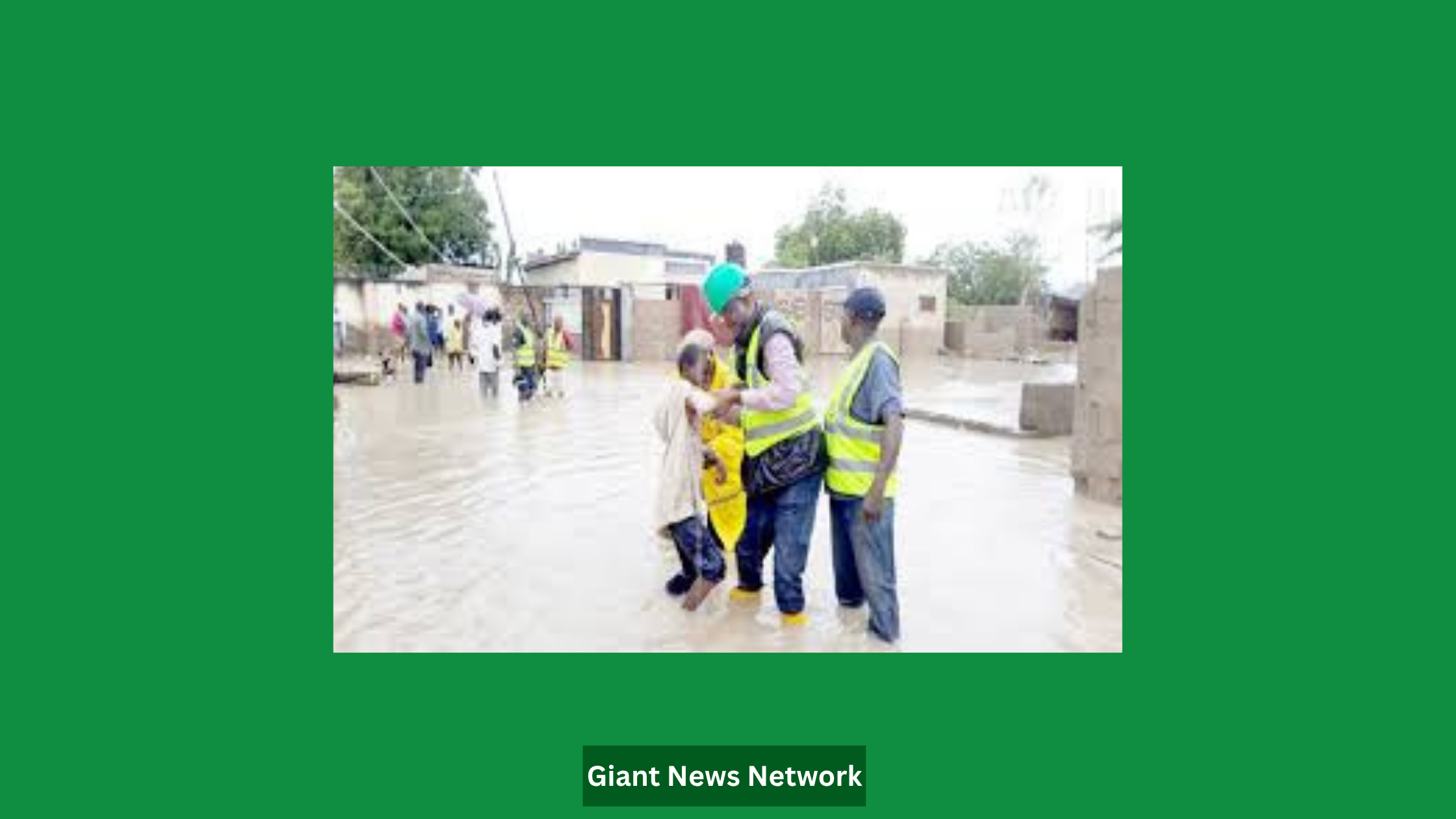
Floodwaters spilling from Kiri Dam have displaced hippopotamuses into the communities of Guyuk and Shelleng LGAs. A young man was killed during one such intrusion in the Banjiram community on July 28, 2025. Local officials warn the animals are rampaging through homes, farms, and riverbanks, leaving residents paralyzed by fear.
Previous instances—such as the 2022 killing of a fisherman—prompted the Adamawa State House of Assembly to pass resolutions ordering the removal of “hostile” hippos from Kiri Dam reservoir. But current crises show these resolutions were never implemented.
Investigative Angle & Government Shortfalls
Why are wild animals overrunning?
- Habitat degradation in Ogun: Illegal logging, farming, and poaching have eroded forest boundaries. Human settlements inside reserved forests are widespread and enforcement is lax.
- Flood mismanagement in Adamawa: Recurrent flooding due to spillway releases from Cameroonian Lagdo and Kiri Dams repeatedly pushes hippos into human settlements—but no durable mitigation plans have ever followed the warnings.
Both states have laws and agencies supposedly designed to prevent these incidents, but enforcement is spotty at best. The tragedies raise ethical and legal questions: Where is the accountability? How will affected families be compensated? What coordinated wildlife management plans exist?
Human Stories & Emotional Human Angle
Imagine farmers returning to fields blighted by elephant destruction, losing edible harvests and income—and this time, a life. In Banjiram, a family mourns a loved one trampled by a displaced hippo, as homes and livelihoods crumble under floodwaters.
Residents are trapped: unable to fight back due to wildlife-protection laws, yet abandoned by the very government agencies sworn to safeguard them. Communities say warnings were raised, pleas ignored—until death finally hit.
Demand for Action, Justice and Reform
The twin crises in Ogun and Adamawa are not isolated incidents—they’re symptomatic of systemic neglect. Sadly, the odyssey of warnings and inaction repeats itself.
- Immediate government intervention is needed: wildlife relocation teams, robust forest patrols, flood early-warning systems, and community compensation.
- Legal enforcement must be consistent—no more toothless resolutions.
- Long-term planning: gazetting wildlife sanctuaries, rebuilding buffer zones, sensitisation campaigns, and integrating community volunteers.
The public deserves clarity: who is accountable, and what steps will prevent another death? If these tragedies represent the cost of inaction, then it’s high time government agencies translate warnings into resolution—and grief into structured reform.
We’ll continue tracking responses from the Ogun Forestry Commission, Adamawa Ministry of Environment, and agencies like NEMA or NCMF, as well as any support for affected families or wildlife relocation efforts.