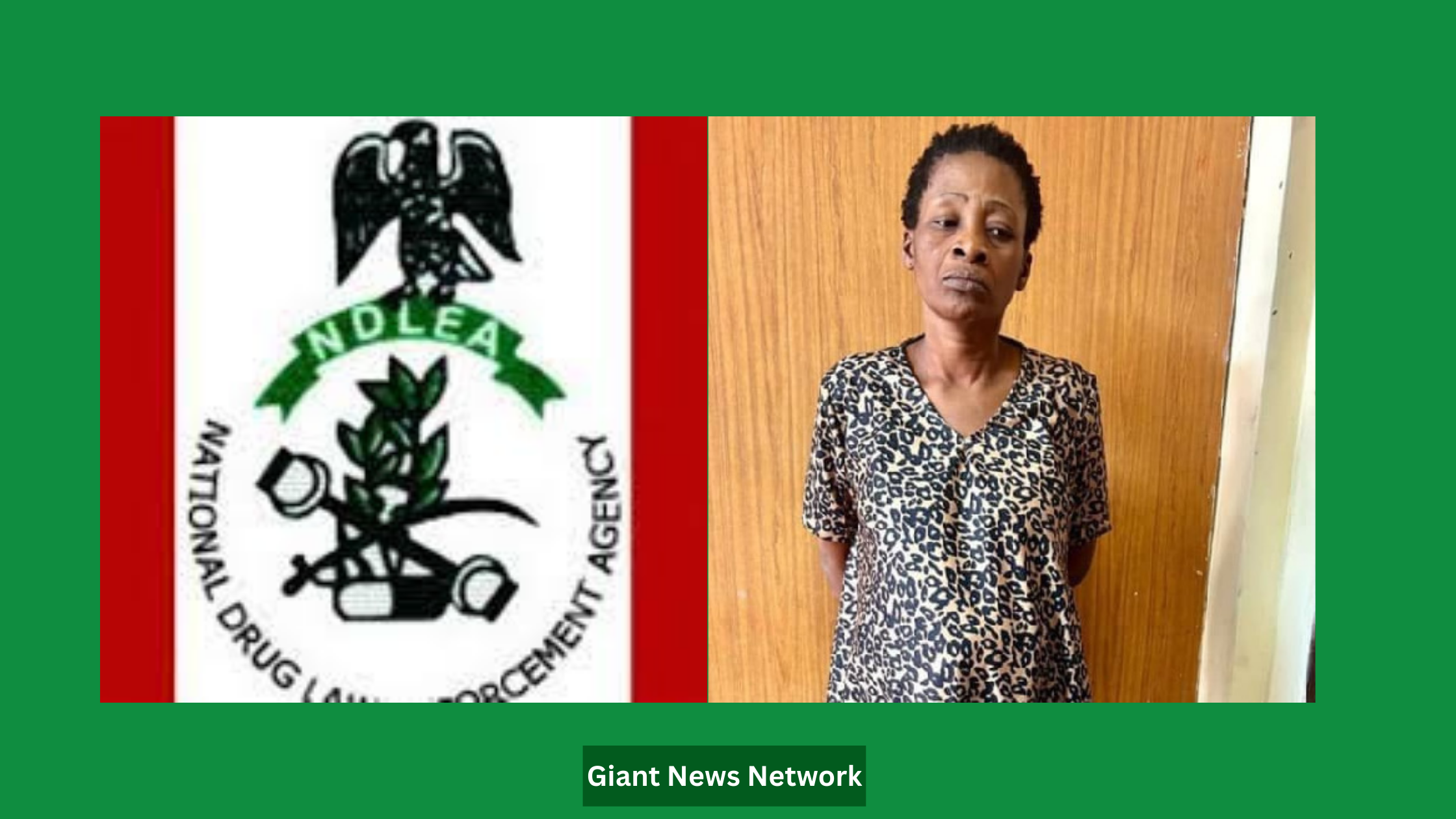
A viral internet narrative that a Nigerian Yahoo Boy conned Donald Trump out of $250,000 has been exposed as sensational and misleading. In reality, a U.S. donor aiming to back the Trump‑Vance 2025 Inaugural Committee was deceived by scammers posing as committee officials—while Trump’s campaign lost zero funds.
On December 24, 2024, a donor received a phishing email pretending to be from Steve Witkoff, co‑chair of the Trump‑Vance inaugural committee. The sender used a look‑alike email domain “@t47lnaugural.com” (with an ‘l’ instead of an ‘i’), deceiving the victim into believing the email was genuine.
- Two days later, the unsuspecting victim sent 250,300 USDT (Ethereum‑based cryptocurrency) to the scammer’s wallet ending in 58c52, believing it was official.
- Law enforcement confirmed the scammer isn’t Donald Trump—they tricked a donor. Despite the frenzy, Trump’s campaign wasn’t defrauded.
Aftermath & Recovery
- The U.S. Department of Justice filed a civil forfeiture complaint to recover 40,300 USDT, about $40,300 worth, via blockchain tracing, seeking to return it to the victim.
- The FBI identified the scammer as Ehiremen Aigbokhan, based in Lagos, Nigeria, and is pursuing legal action. The remaining funds remain tied up in crypto wallets and laundering attempts.
Mistaken Narratives & Misleading Headlines
- Nigerian media outlets amplified misleading headlines: “How a Lagos Yahoo Boy duped U.S. President Donald Trump of 2025 inauguration funds”—when in reality, only a donor fell victim.
- Social media posts on X/Xahas spread panic:
“A Yahoo Boy scammed a whole Donald Trump…”
which garnered millions of views despite being largely false.
Some speculate the bizarre drama fits typical cyber‑political intrigue:
- The email’s near‑perfect impersonation suggests a high‑level business email compromise (BEC) scheme.
- Timing—occurring during a politically sensitive inauguration—might hint at efforts to exploit or embarrass the campaign.
- Scammers from Nigeria increasingly embrace crypto-based phishing in multi-million‑dollar plots—some tied to romantic and political deception.
So—Donald Trump? Not scammed. The real victim: a generous donor who lost six figures. A Nigerian fraudster, $250K stolen, yet only $40K recovered. The rest? Lost in crypto labyrinth.
What remains is a cautionary tale of cyber deceit, misleading journalism, and how one tiny letter in an email can fuel global sensationalism.
Full identity and arrest status of the accused, confirmation on current asset recovery or trial dates, and comments from relevant U.S. and Nigerian authorities would finally clear truth from rumor.